
125 models compared · Amazon prices of 11/20
Washing Machine Comparison
WashEdge is a washing machine comparison site that brings together 125 models sold on Amazon, all rated at least 3.5/5 with at least 5 customer reviews. You also find a fit check that tells you whether a model fits the space you have, and you can compare up to 4 models side by side. To find the right one, describe what you need, filter on the criteria that matter to you, then compare your shortlist.
Try:
125 models125
Products


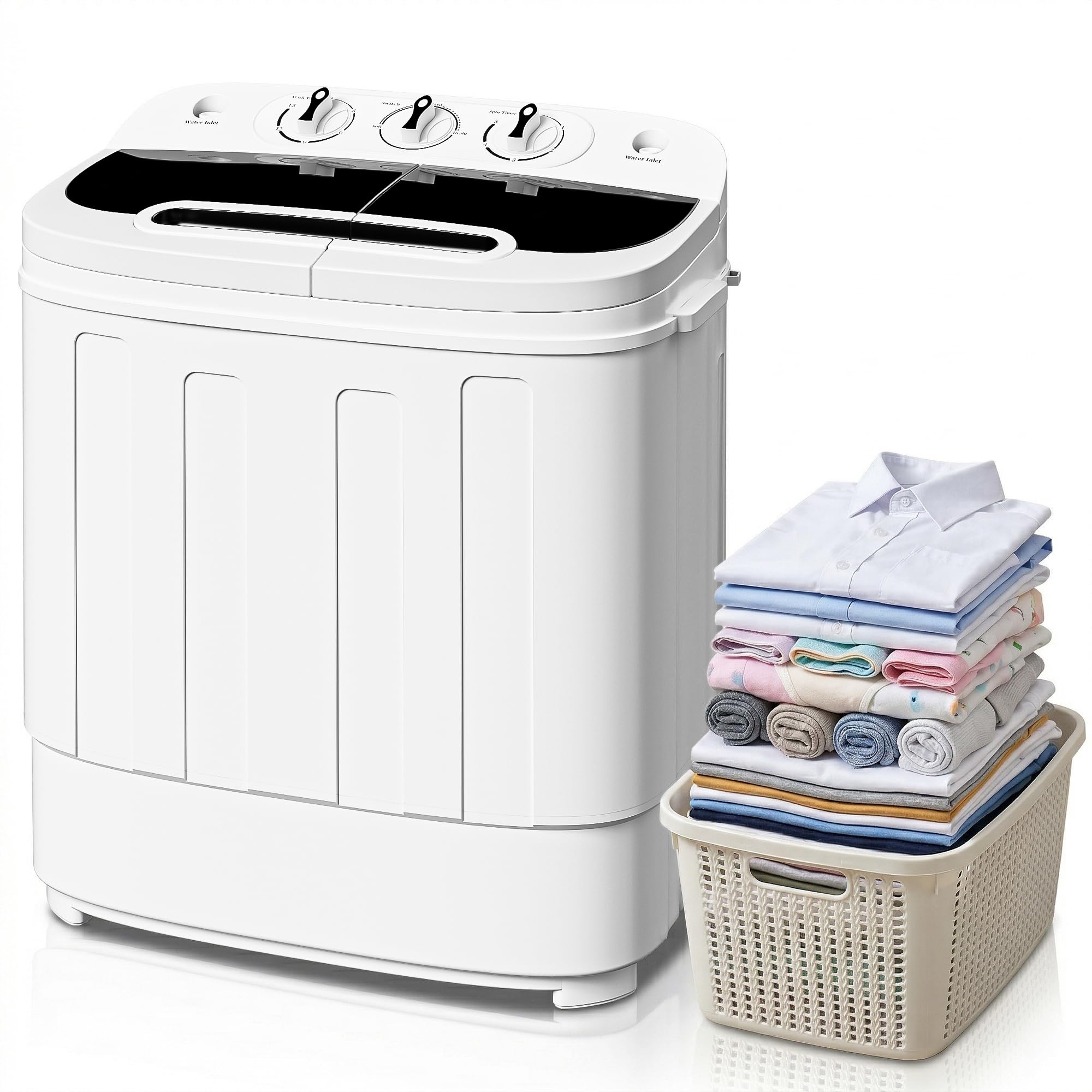
Giantex
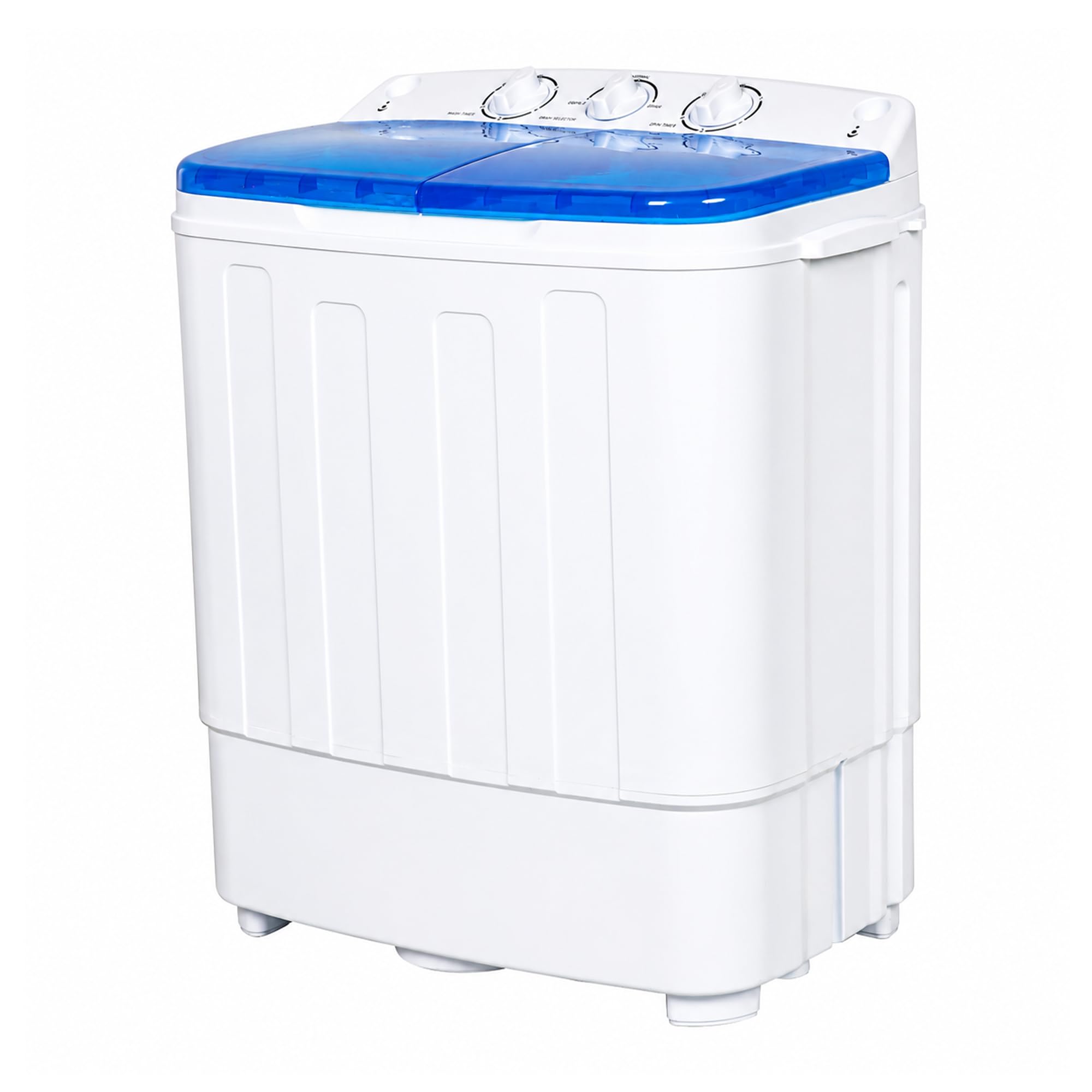
Giantex GX10771GR-PF portable washing machine
Twin tub · 20 lb · 110-120 V
$128.24 as of 11/20

Black+Decker
Black+Decker BFLW45M front load washer
Front load · 4.5 cu ft · 1300 rpm
$1,028.96 as of 11/20


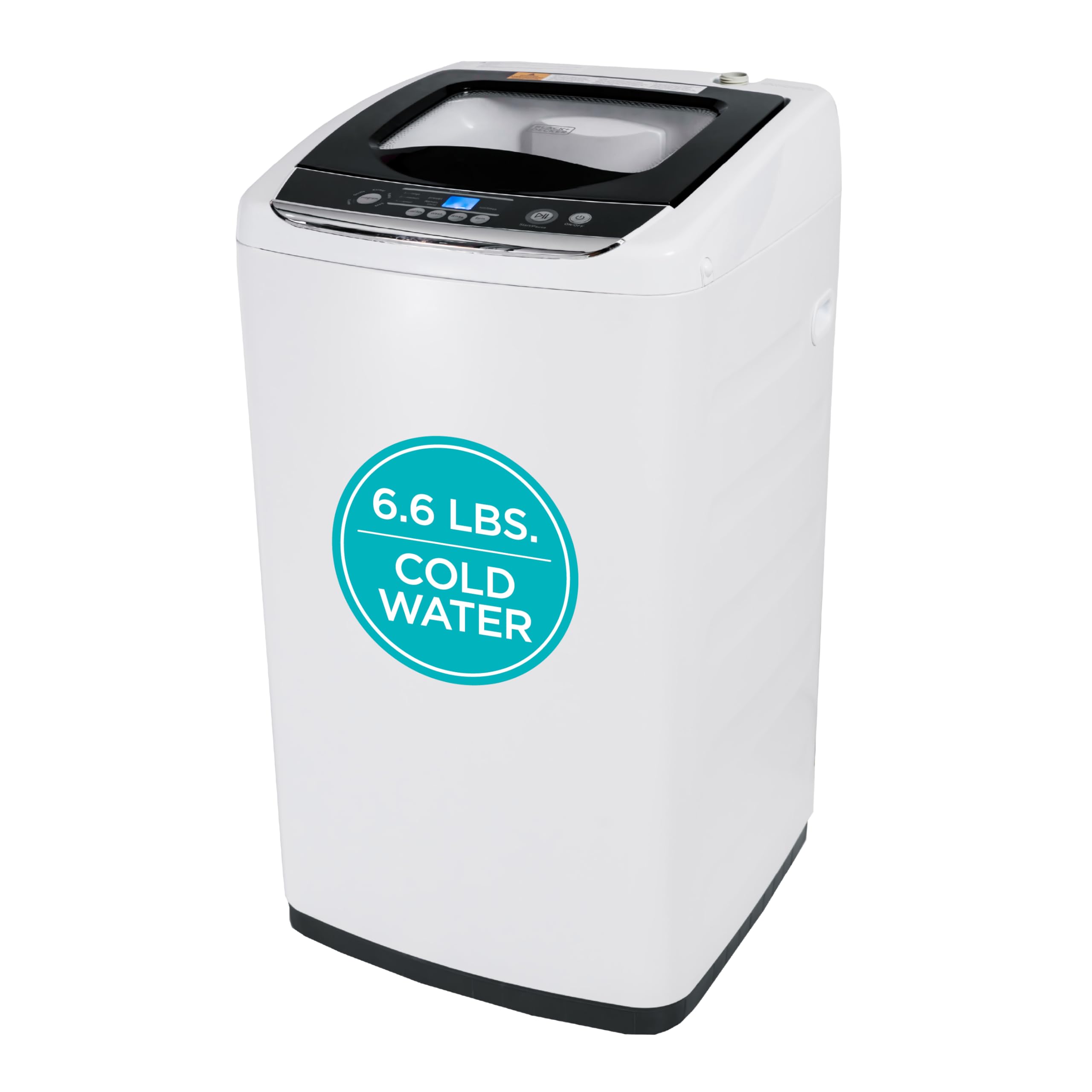
Black+Decker
Black+Decker BTLW41MW top load washer
Top load · 4.1 cu ft · 1300 rpm
$749.00 as of 11/20




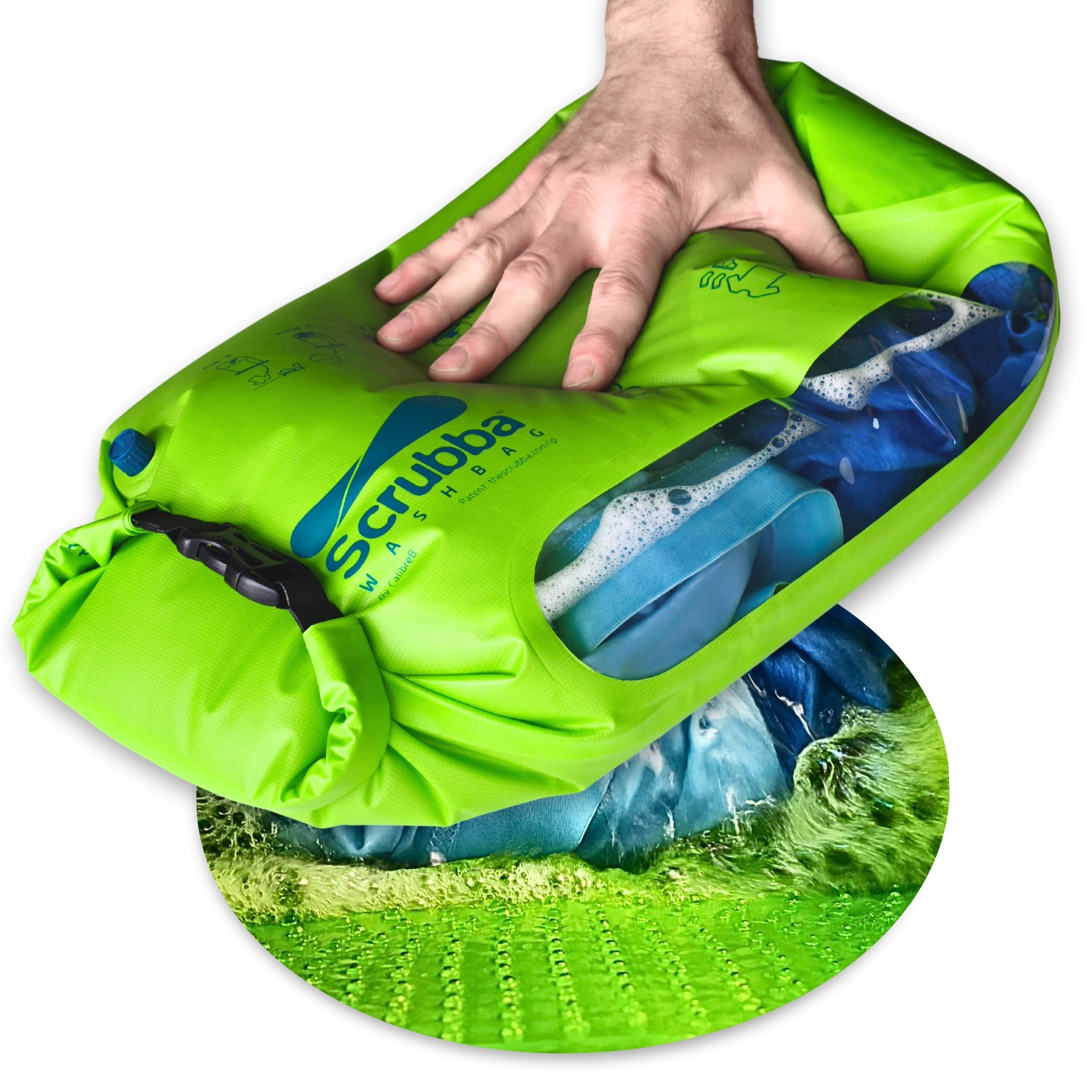
The Laundry Alternative
The Laundry Alternative WonderWash portable washer
Manual · 5 lb · Non-electric
$69.95 as of 11/20

Super Deal
Super Deal XPB30-1288SA portable washing machine
Twin tub · 9.9 lb · 1300 rpm
$67.99 as of 11/20

Costway
Costway GT-23104-CYWH portable washing machine
Portable · 5.5 lb · 110-120 V
$65.99 as of 11/20




Costway
Costway 24961-CYPE portable washing machine
Twin tub · 20 lb · 110-120 V
$127.49 as of 11/20
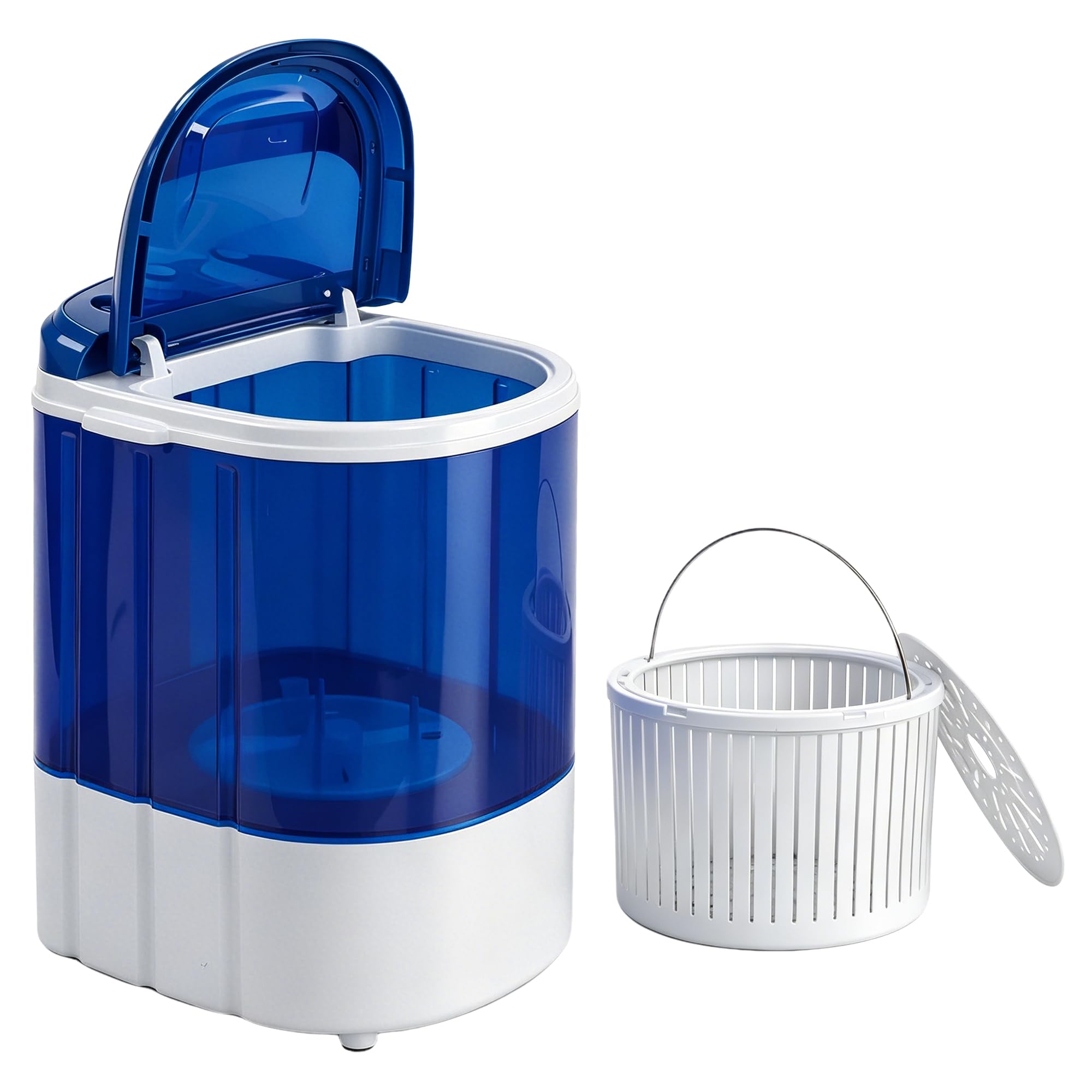
Super Deal
Super Deal SD190115 portable washing machine
Portable · 5.7 lb · 1300 rpm
$69.99 as of 11/20
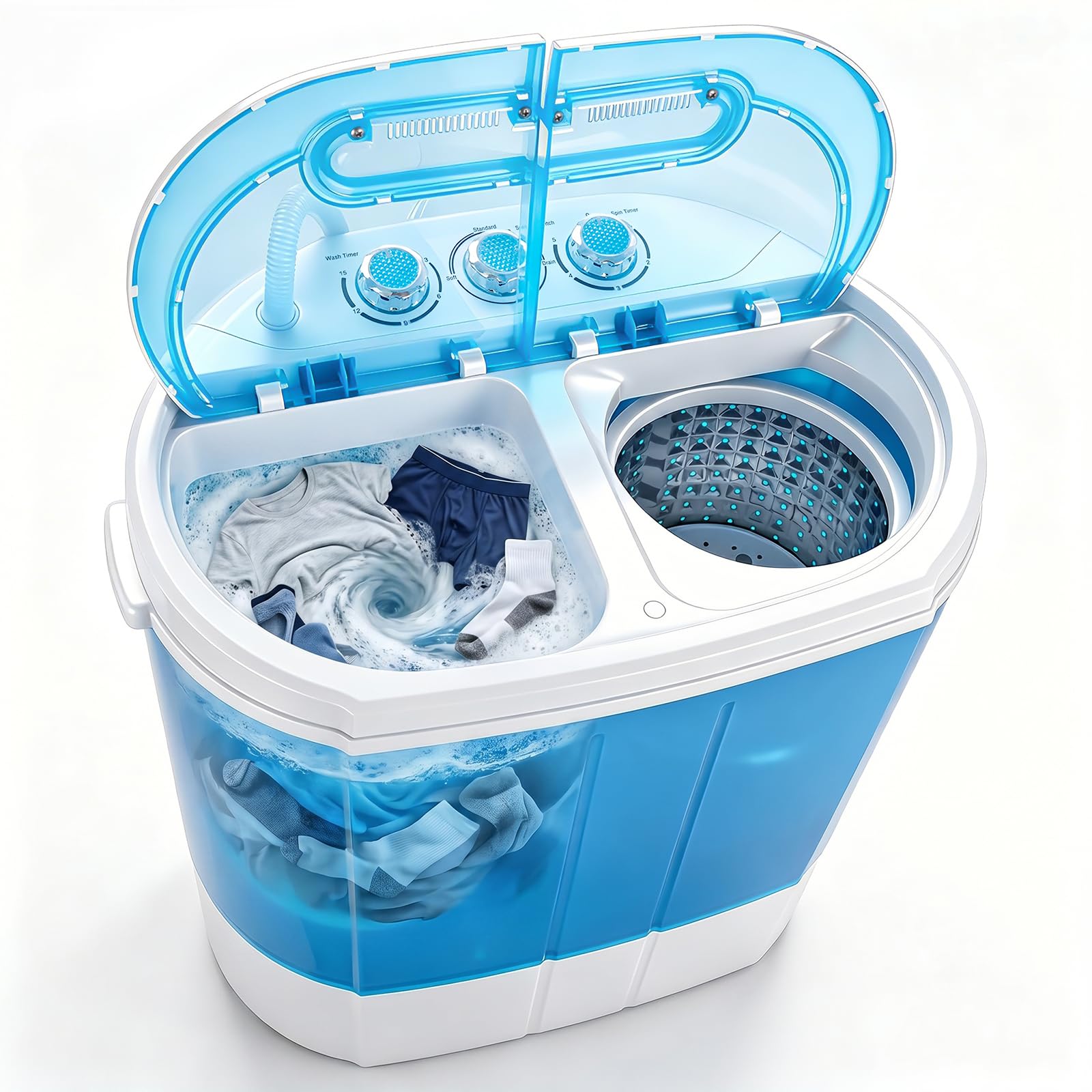
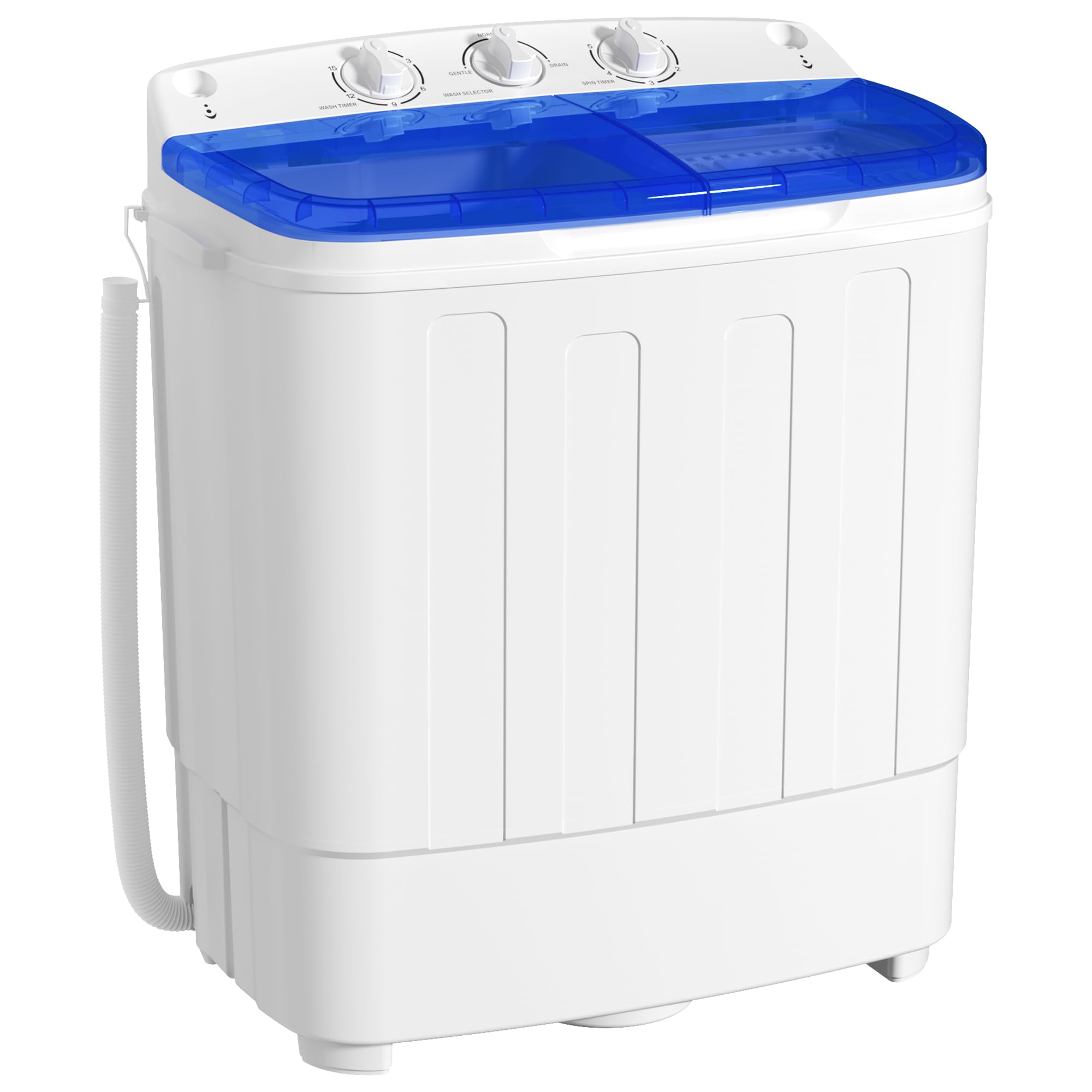
Intergreat
Intergreat 3113da97-b2e3-460d-8f85-c5cc312cbdc4 portable twin tub washer
Twin tub · 18 lb · 1300 rpm
$84.99 as of 11/20
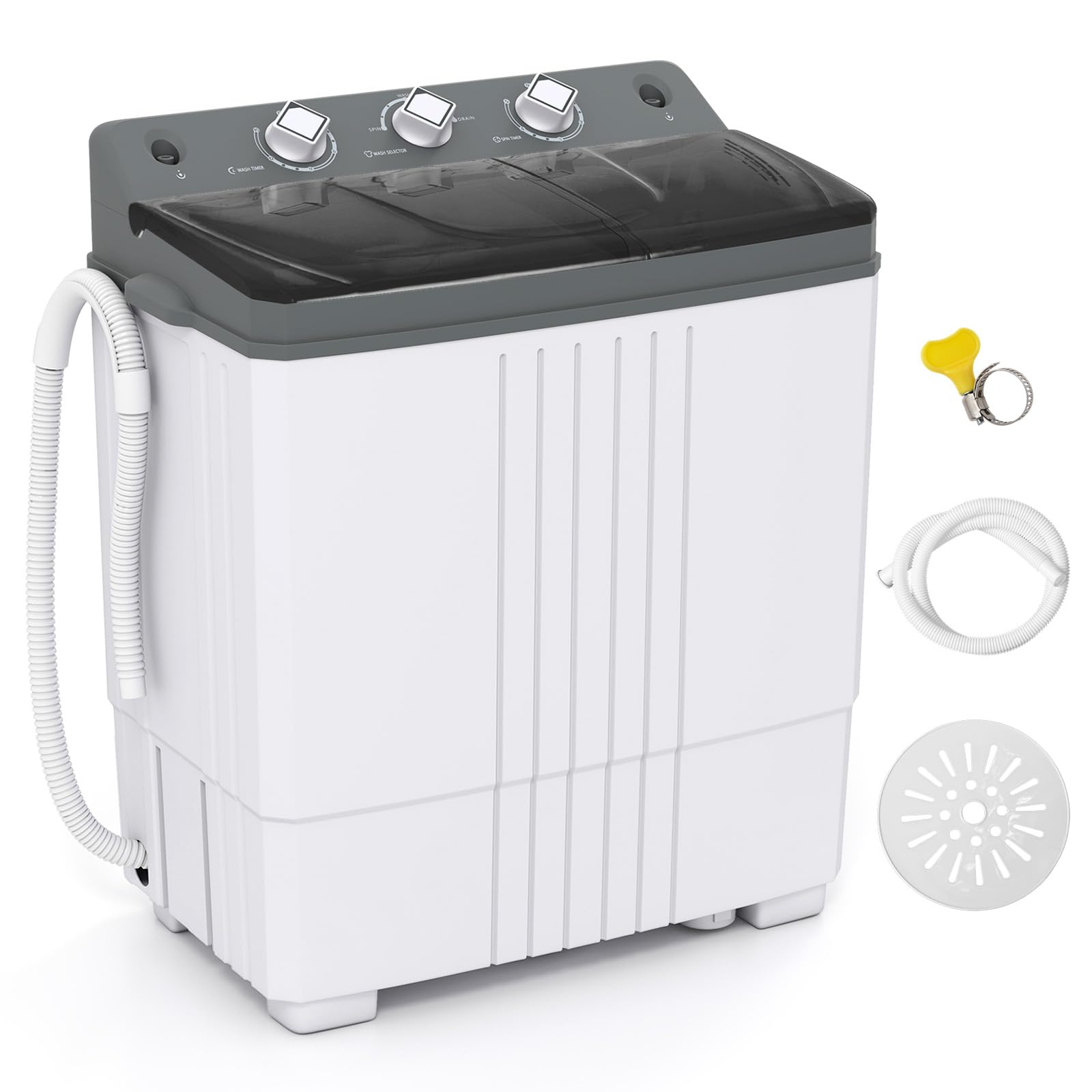
Giantex
Giantex GX11059US-GR-PF portable washing machine
Twin tub · 20 lb · 110-120 V
$143.99 as of 11/20
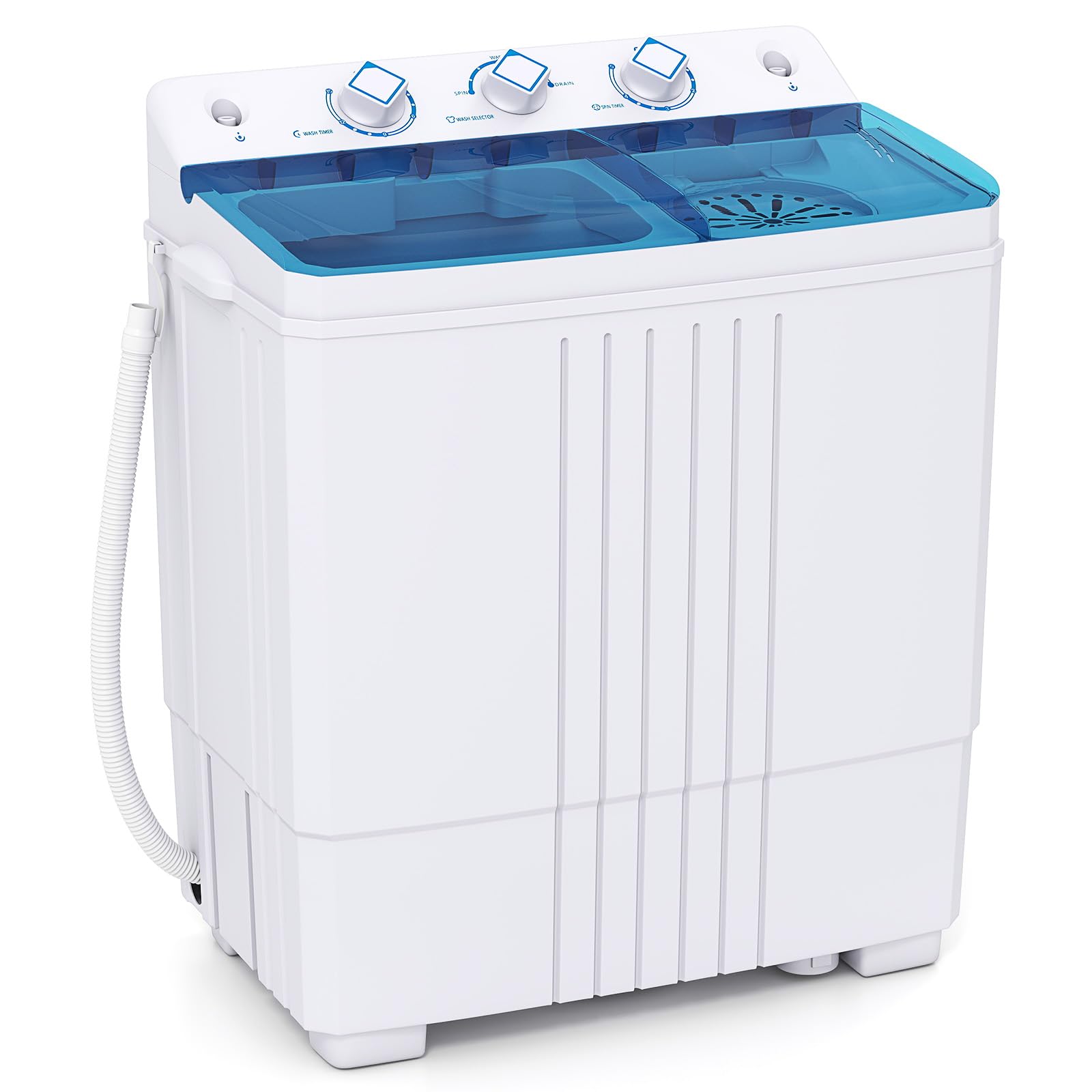
Giantex
Giantex GX11048US-DK-PF portable washing machine
Twin tub · 20 lb · 25 in
$159.99 as of 11/20


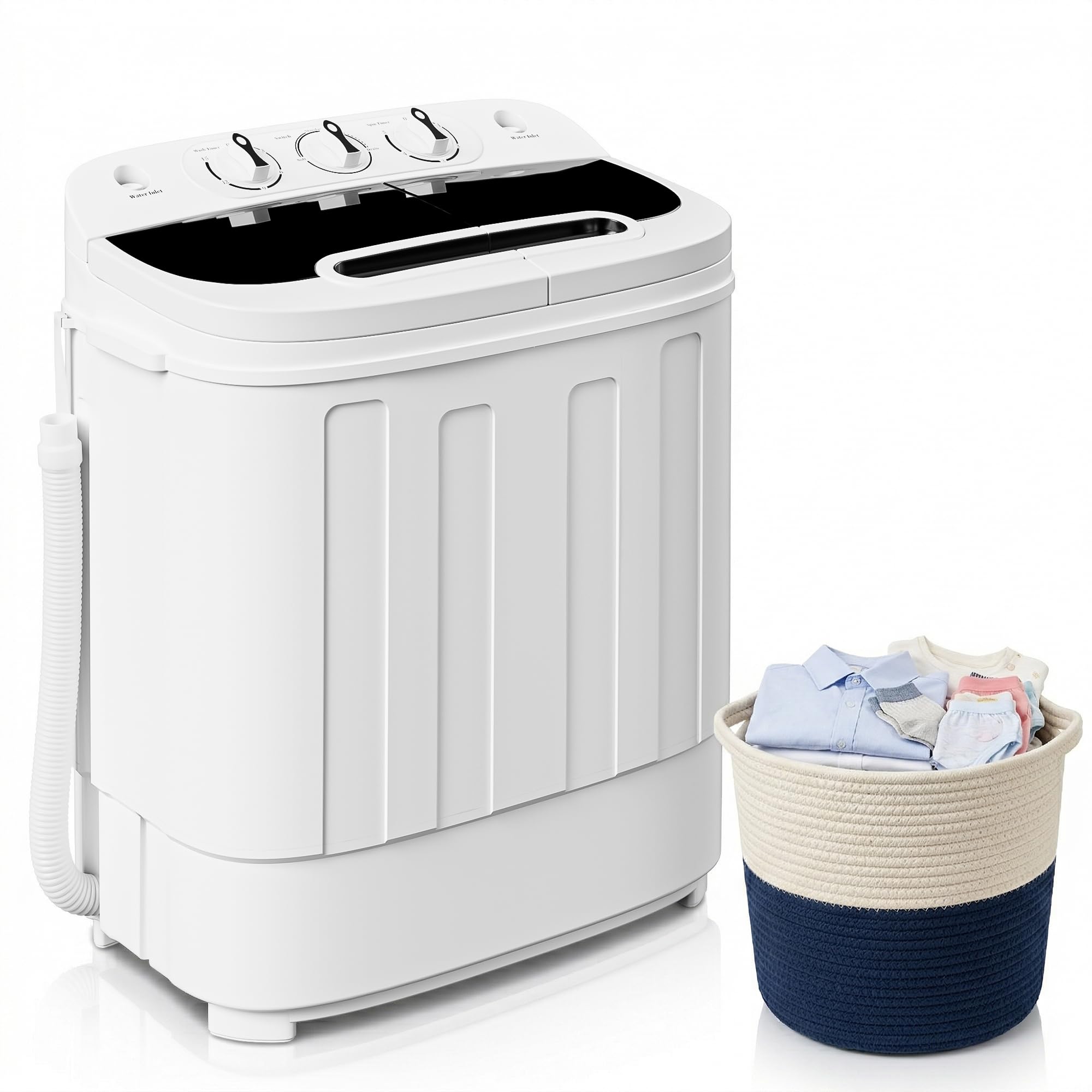

Breathing Mobile Washer
Breathing Mobile Washer BMW-CD
Manual · 3.3 lb · Non-electric
$29.22 as of 11/20

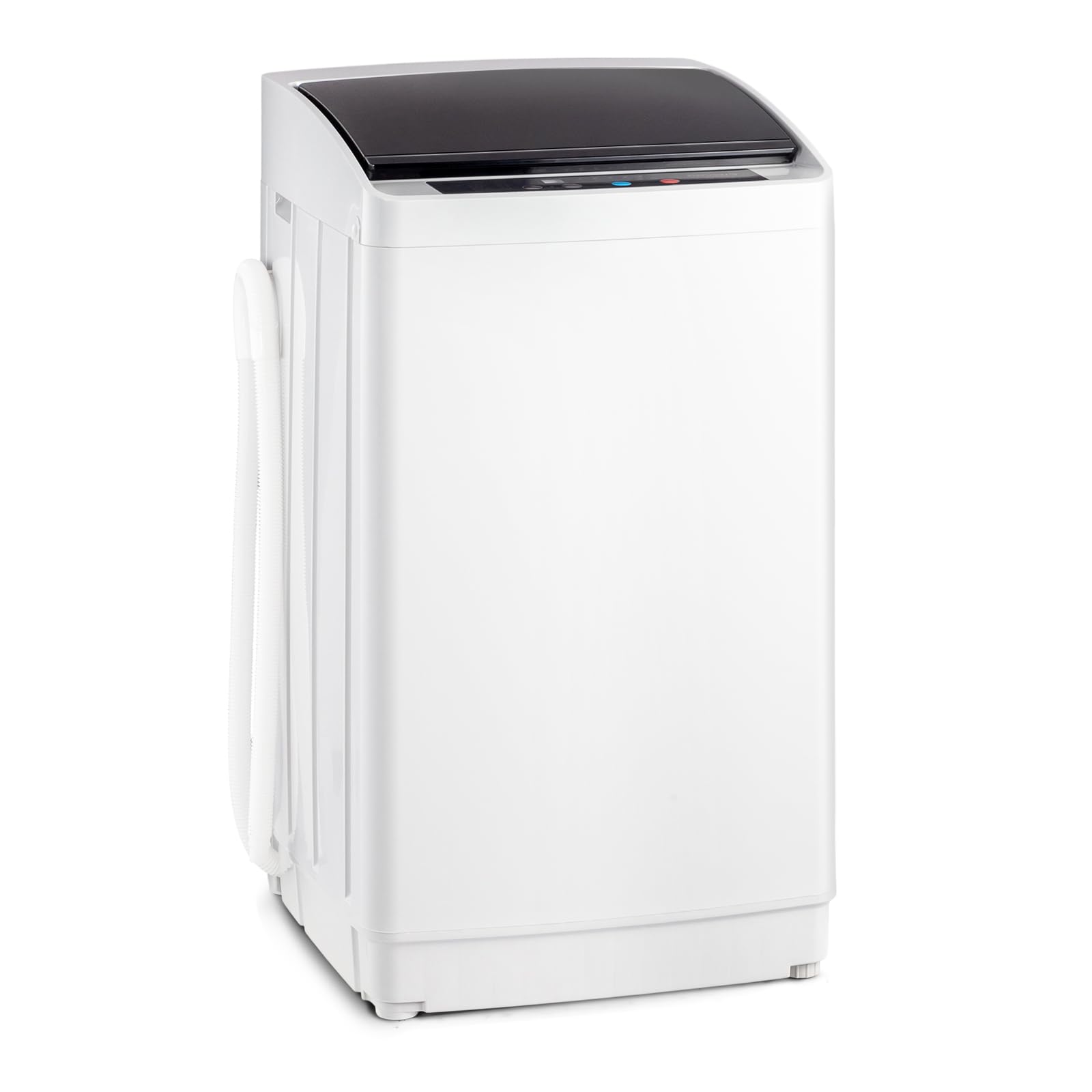
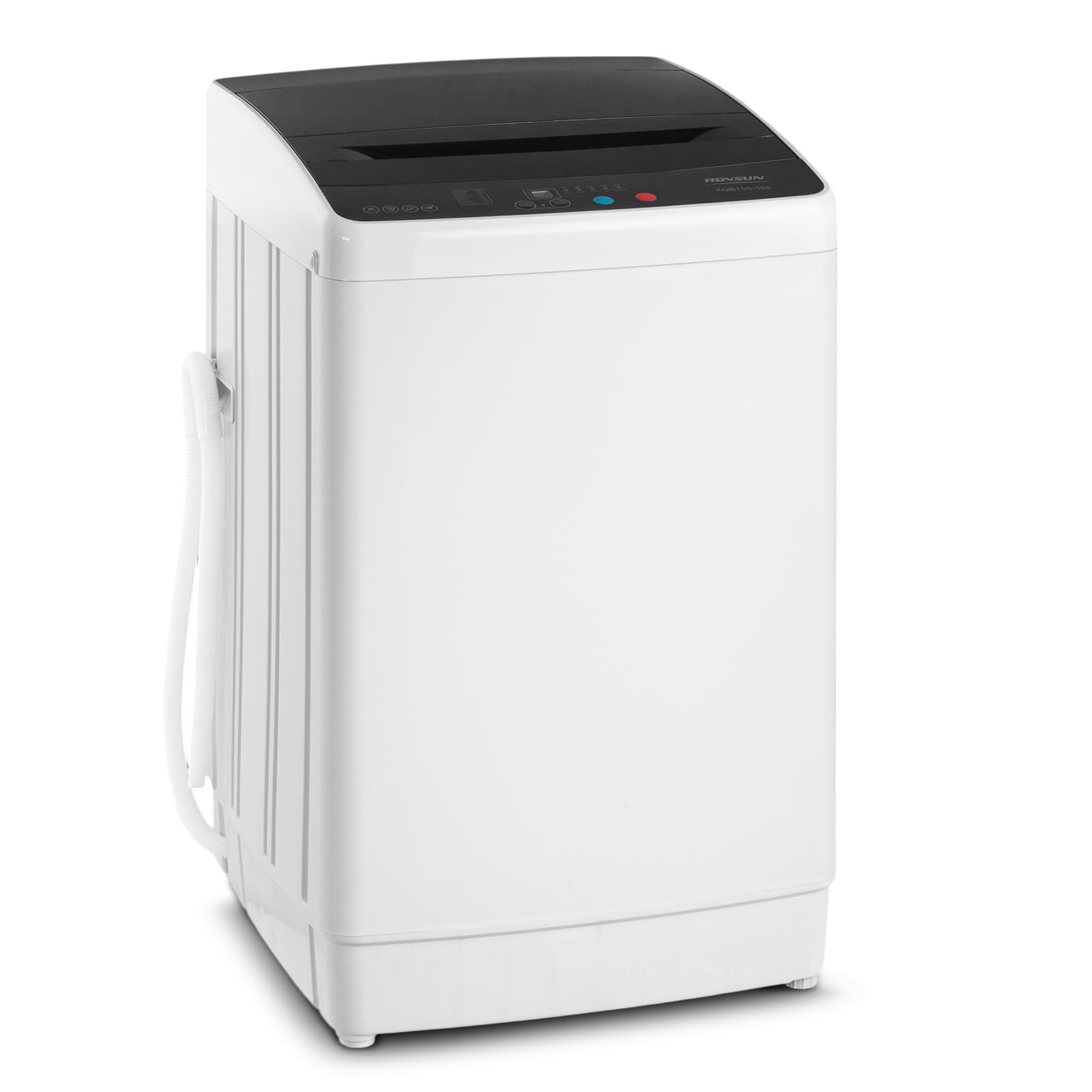

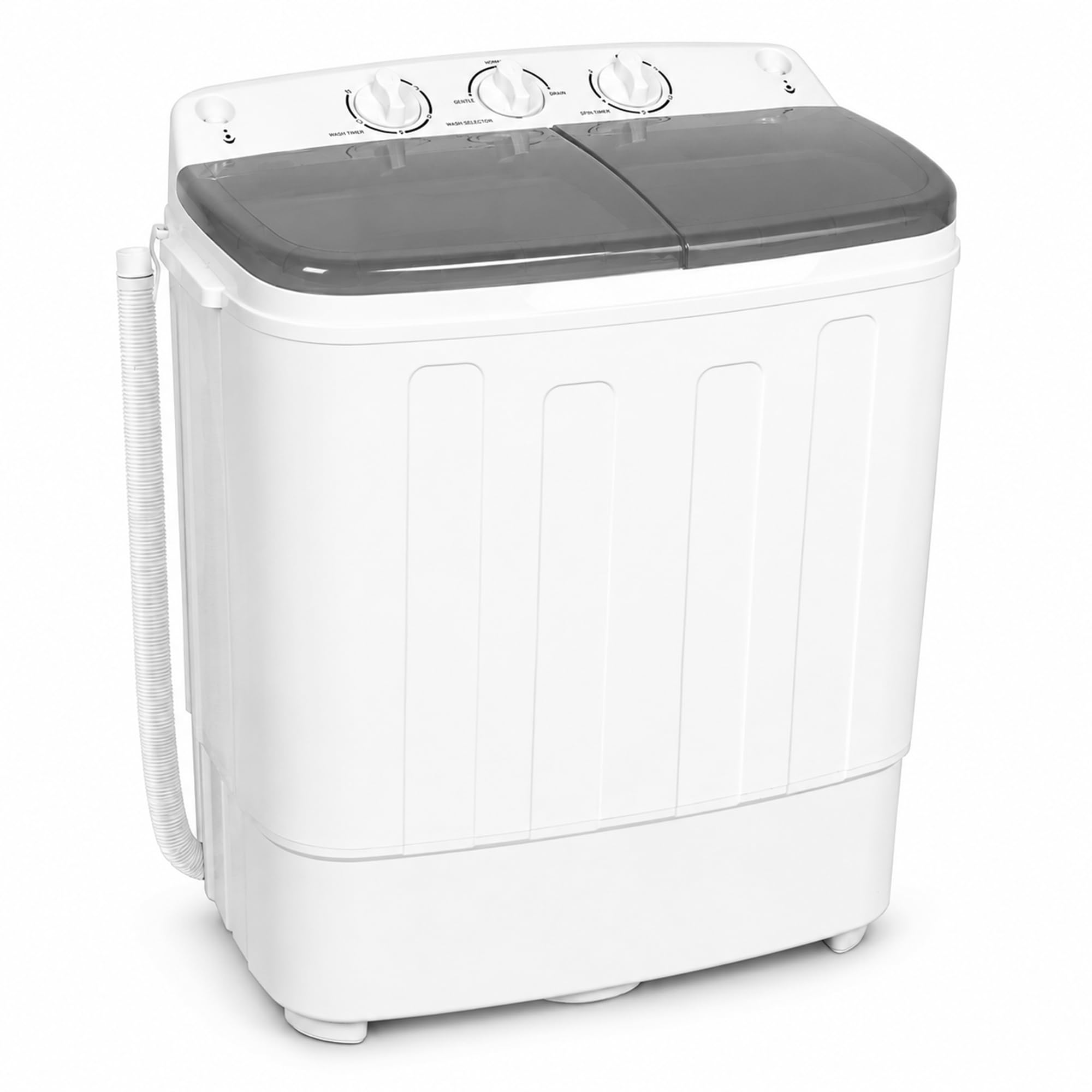


Giantex
Giantex 10021US-BL-FP portable washing machine
Twin tub · 17.6 lb · 110-120 V
$170.99 as of 11/20


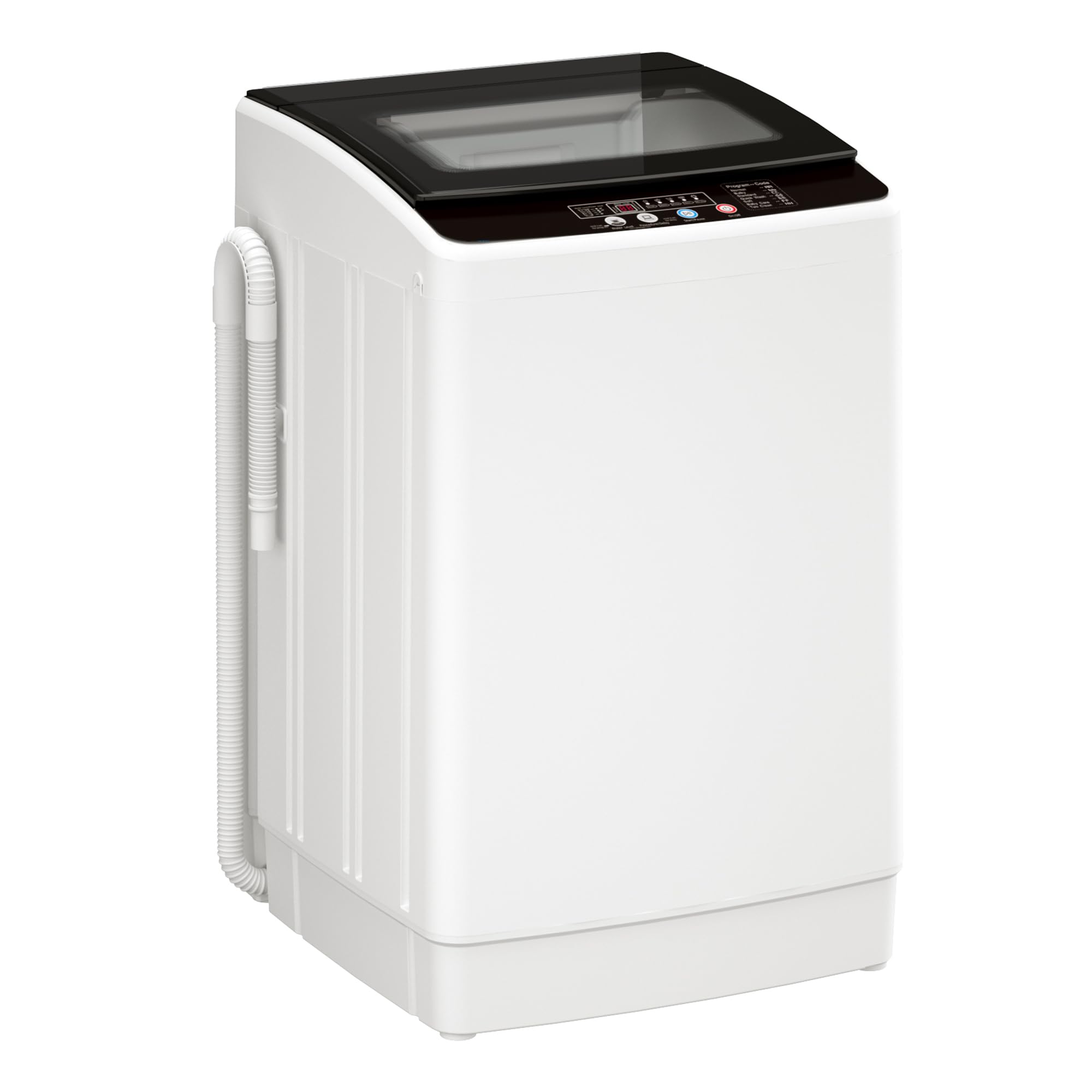
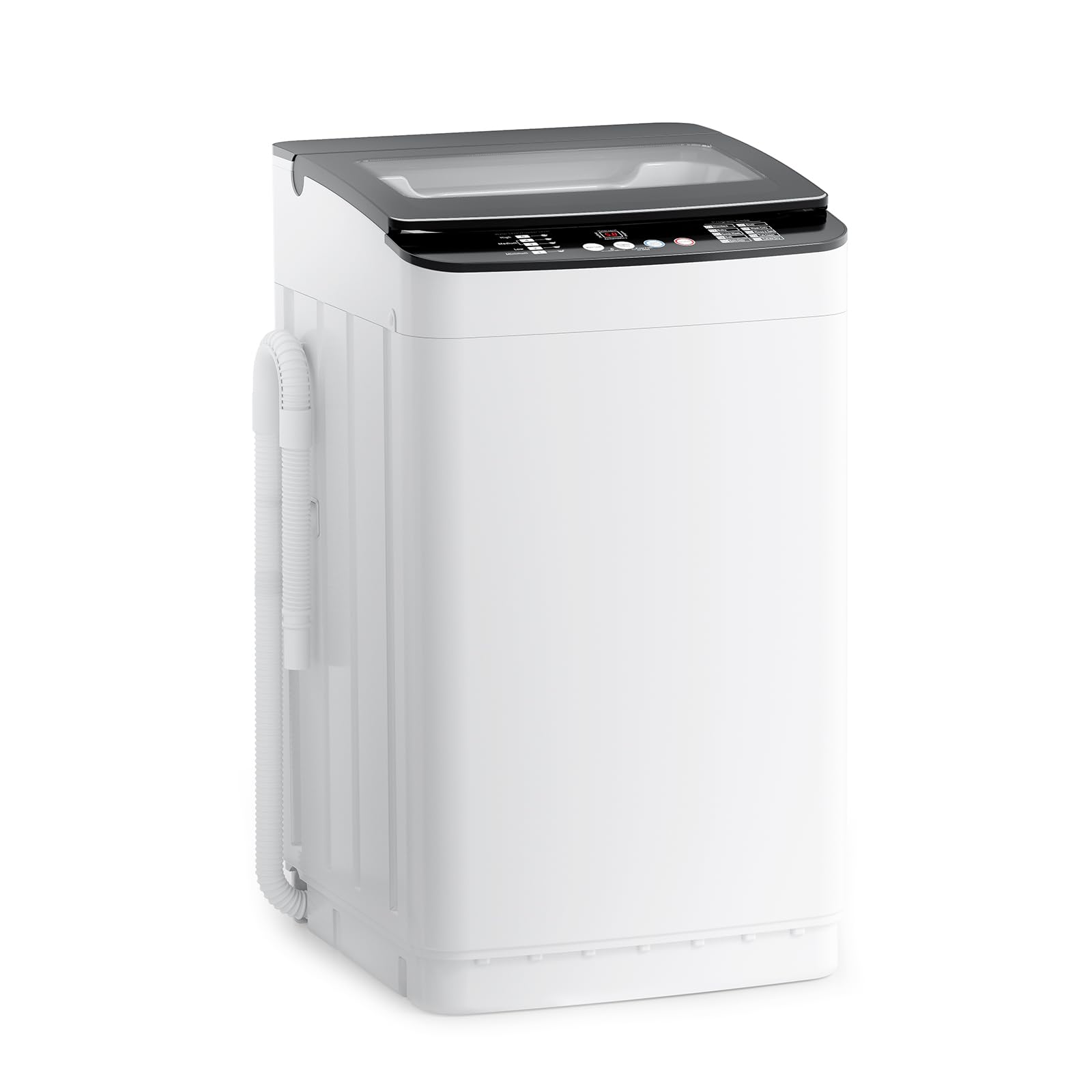
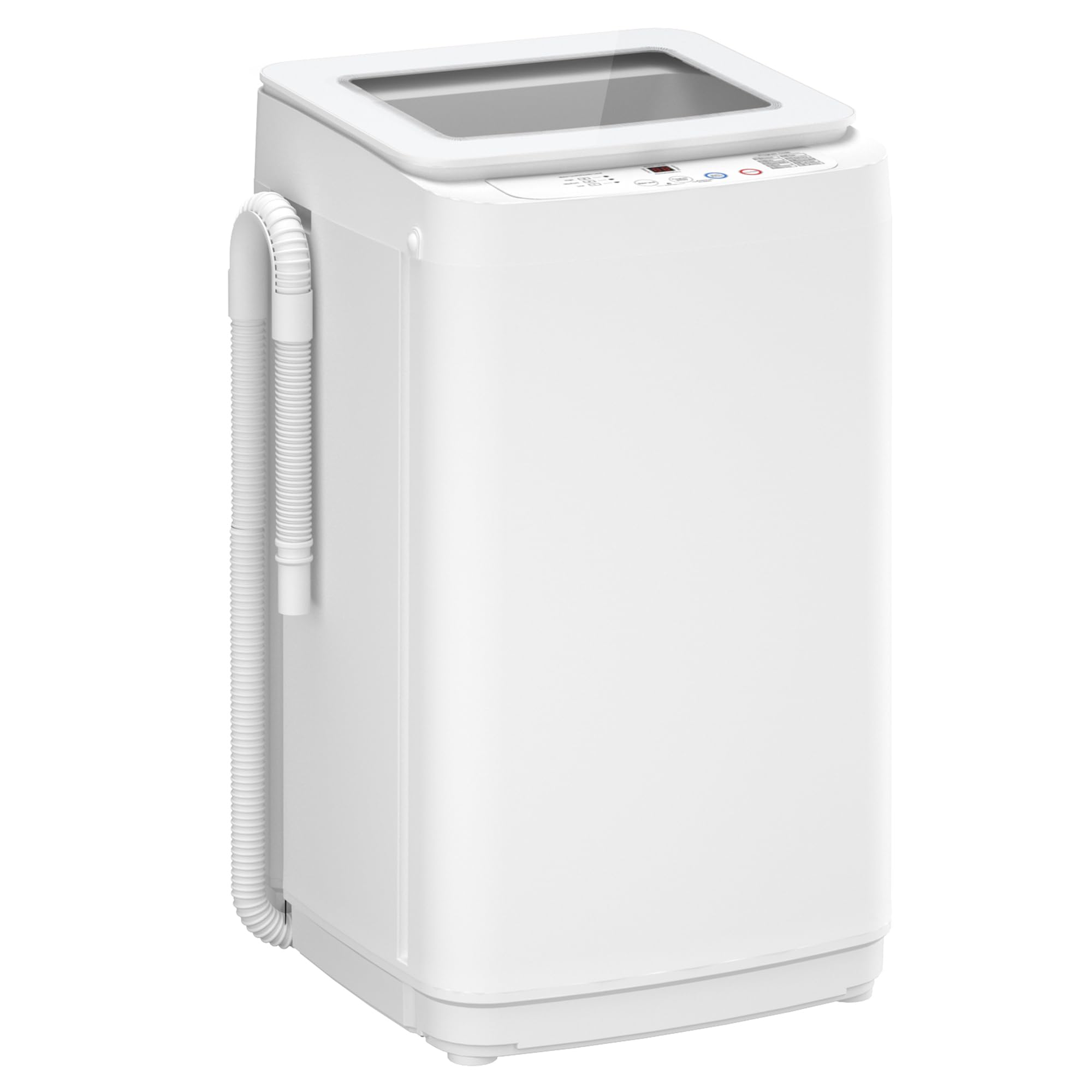
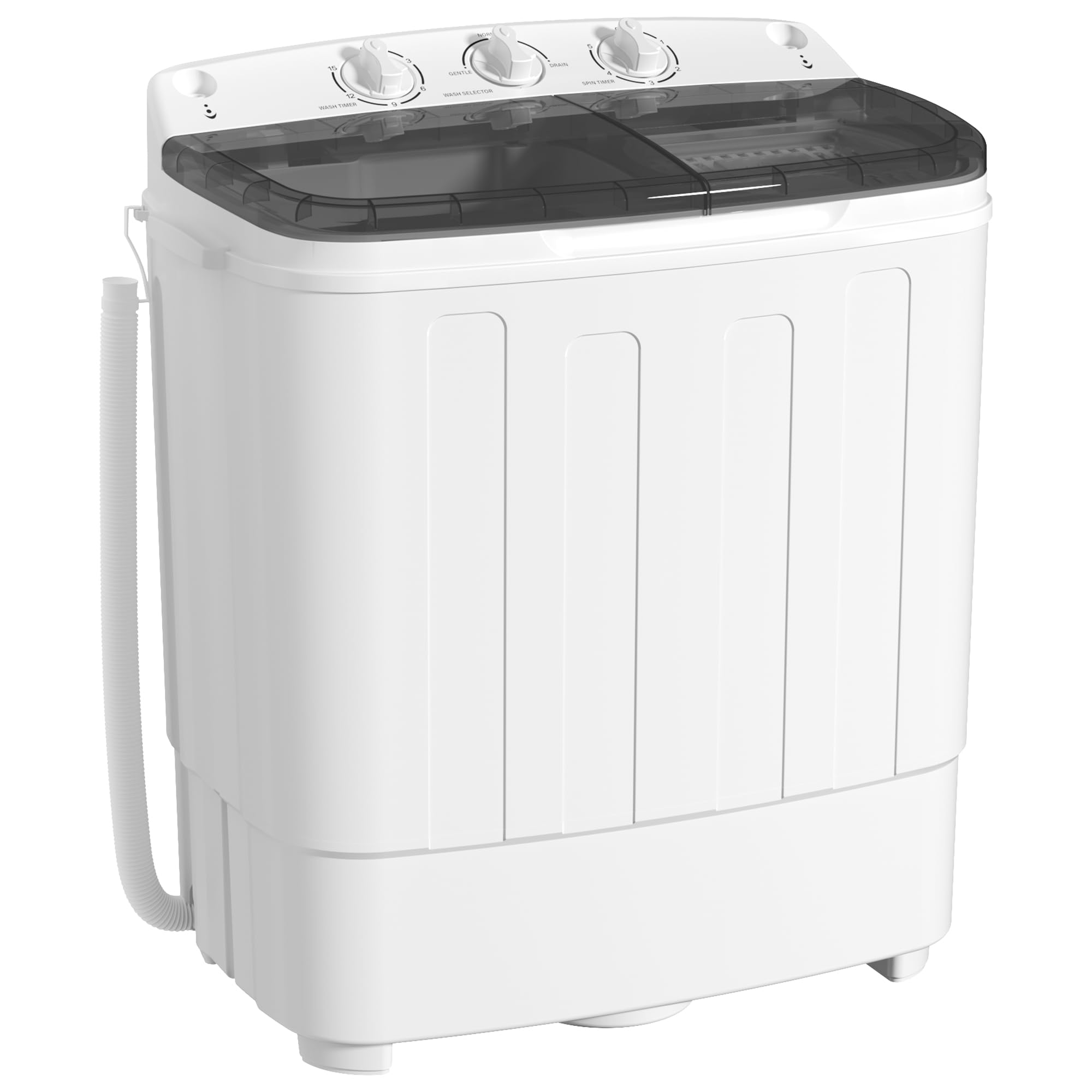


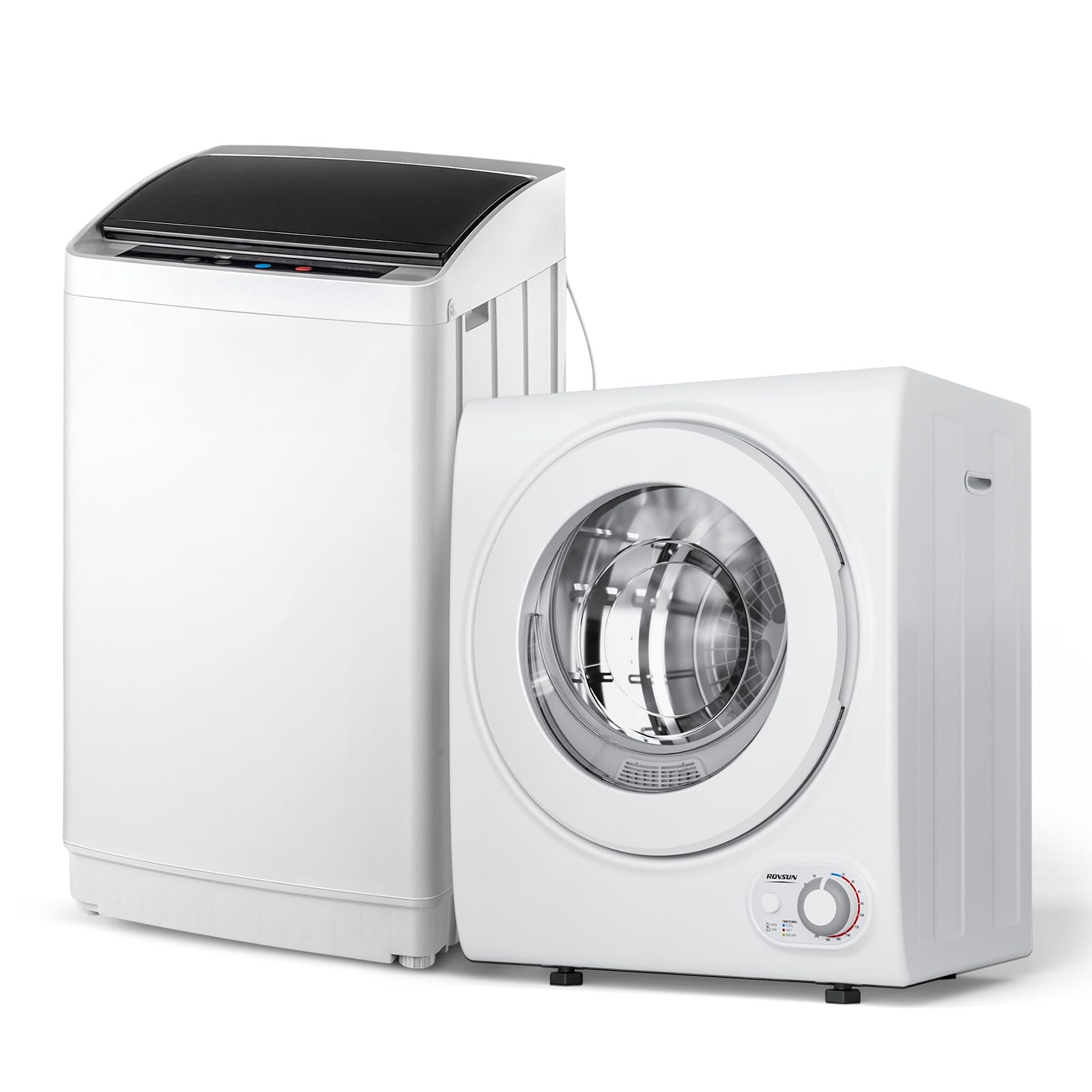


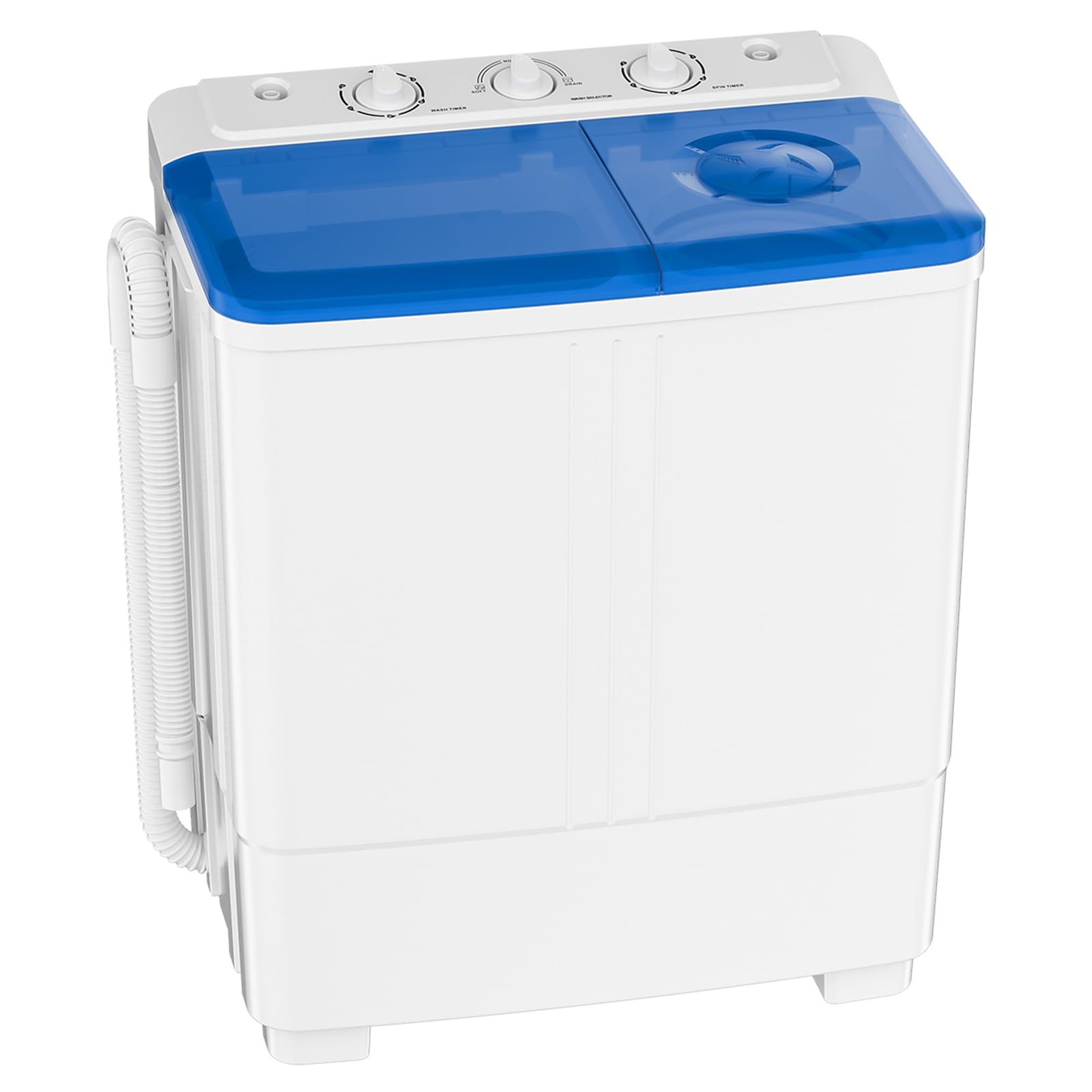
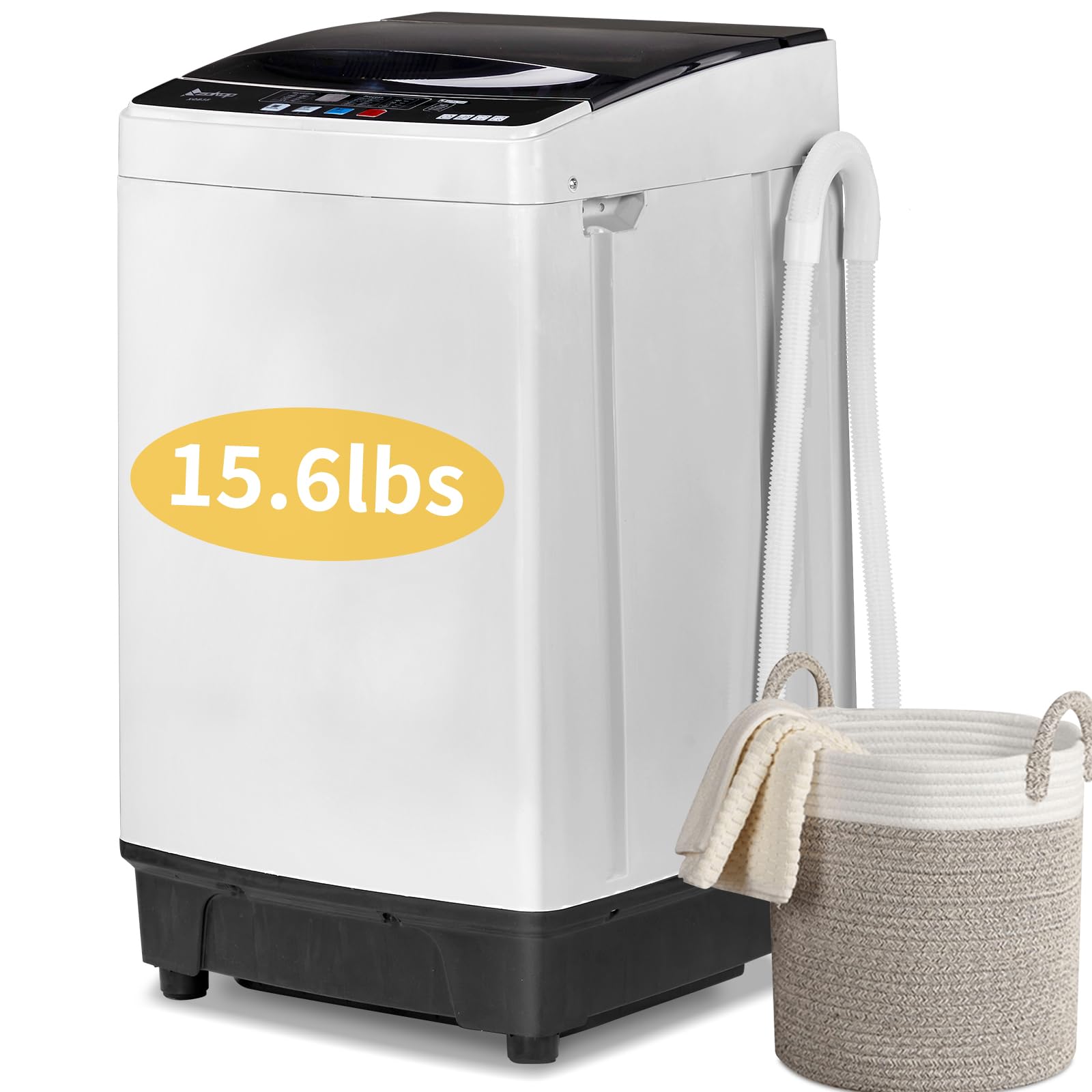

Winado
Winado XQB82-6C08 portable washing machine
Portable · 17.6 lb · 110-120 V
$178.49 as of 11/20

Comfee
Comfee CLC27N3AWW washer dryer combo
Washer dryer combo · 2.7 cu ft · 26 lb
$949.00 as of 11/20
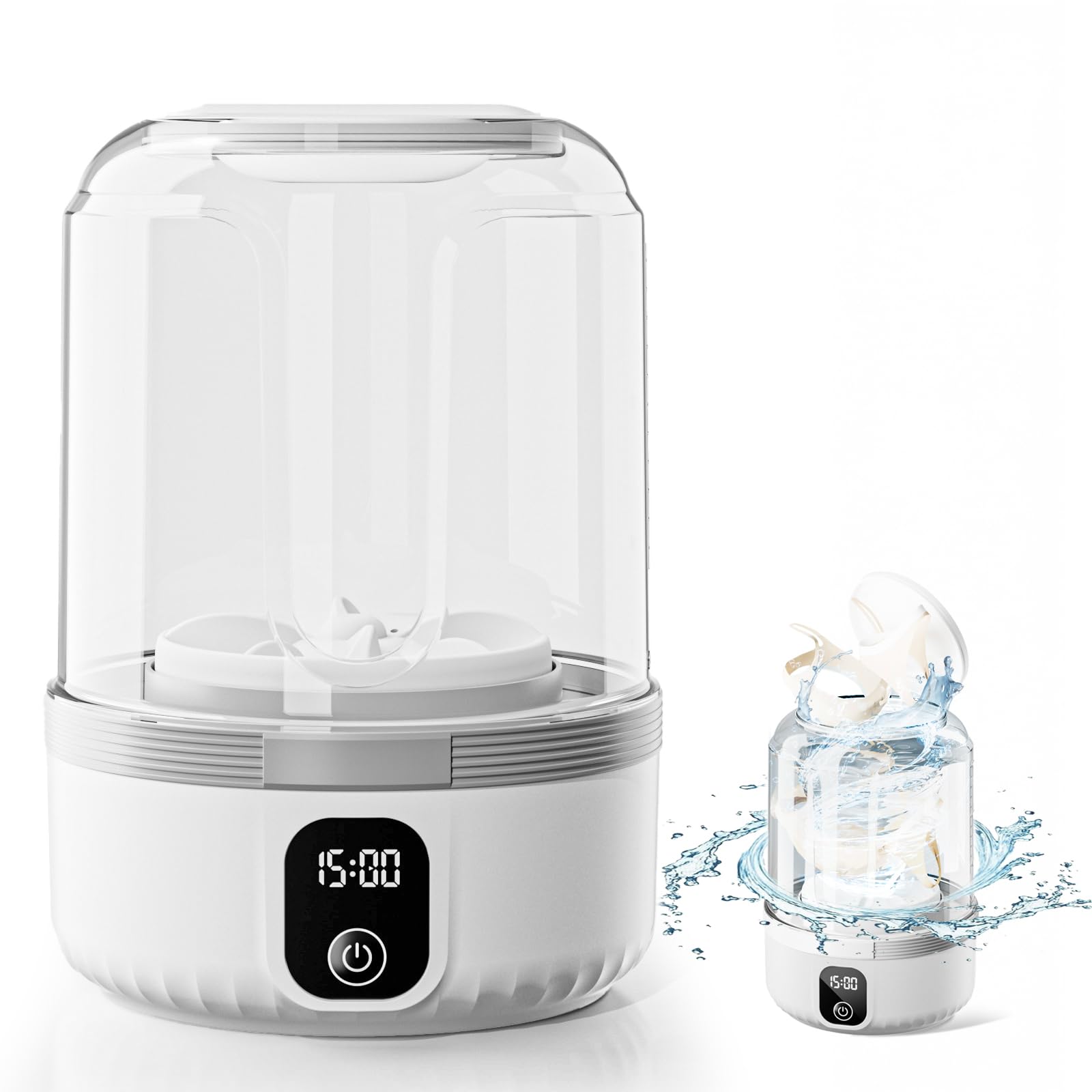

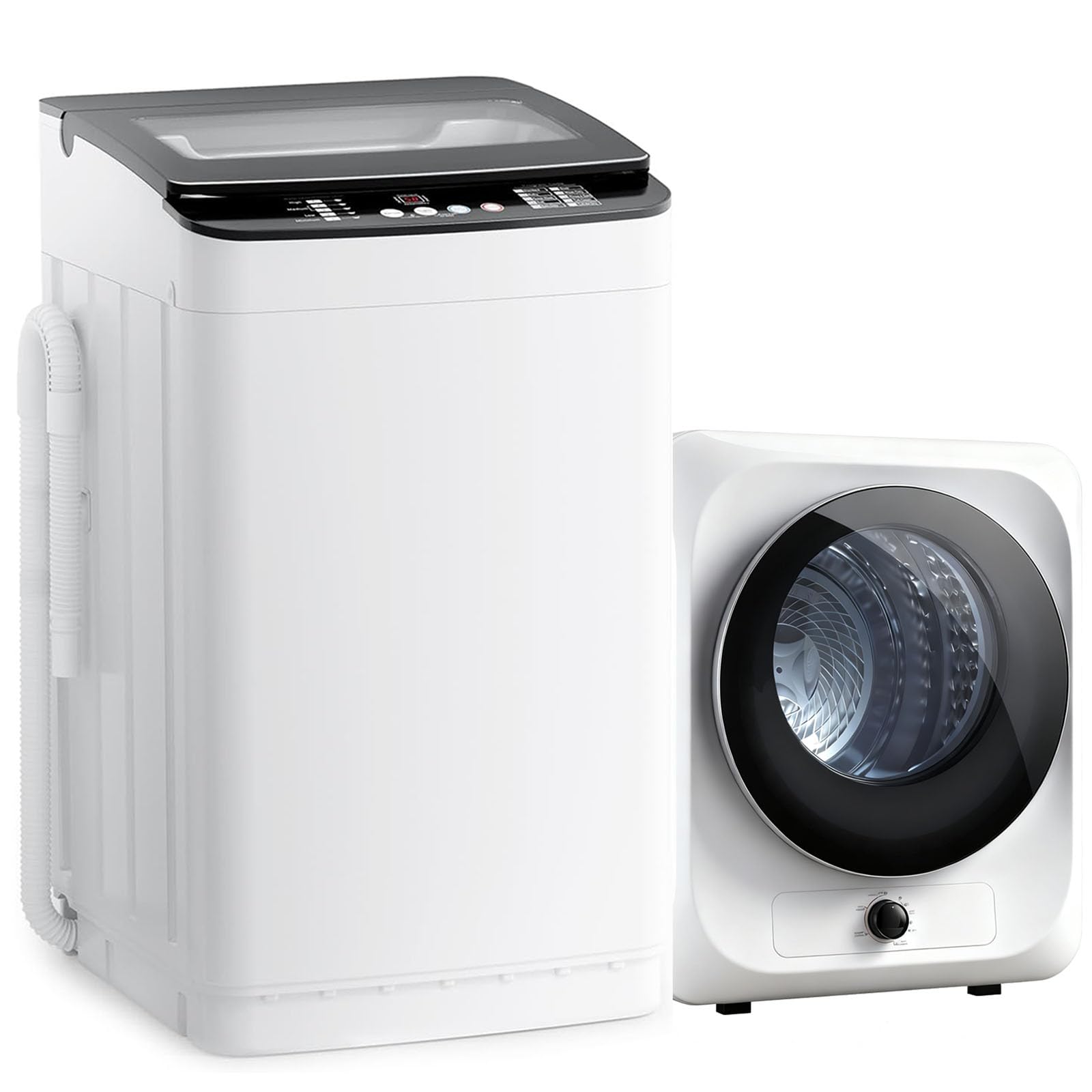
Auertech
Auertech AU0002 washer and dryer set
Washer and dryer set · 1.5 cu ft · 28 lb
$439.99 as of 11/20

Auertech
Auertech AU0001 washer and dryer combo
Washer and dryer set · 18 lb · 110-120 V
$329.99 as of 11/20
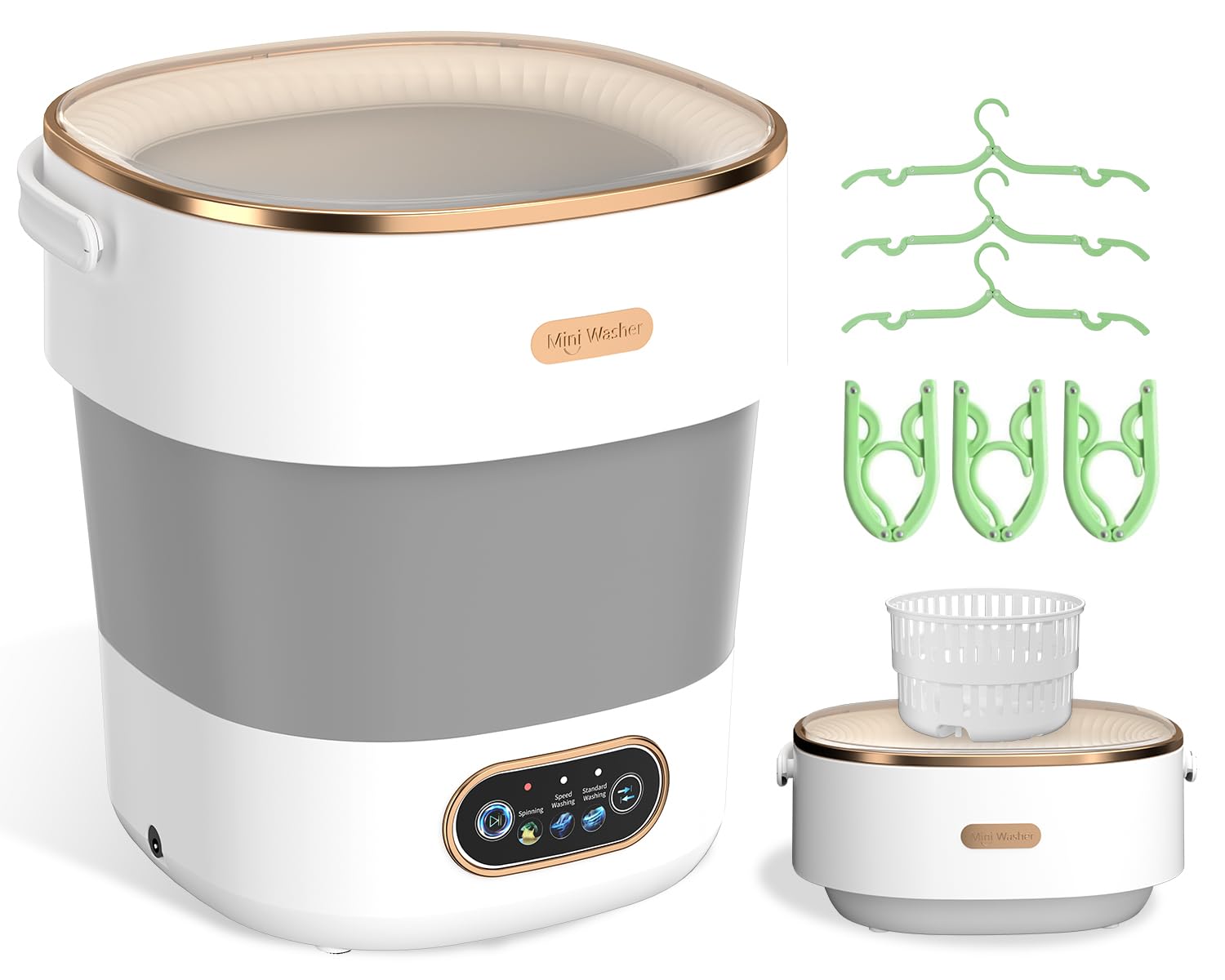

Intergreat
Intergreat PWM01 portable washing machine
Portable · 5.5 lb · 110-120 V
$65.99 as of 11/20

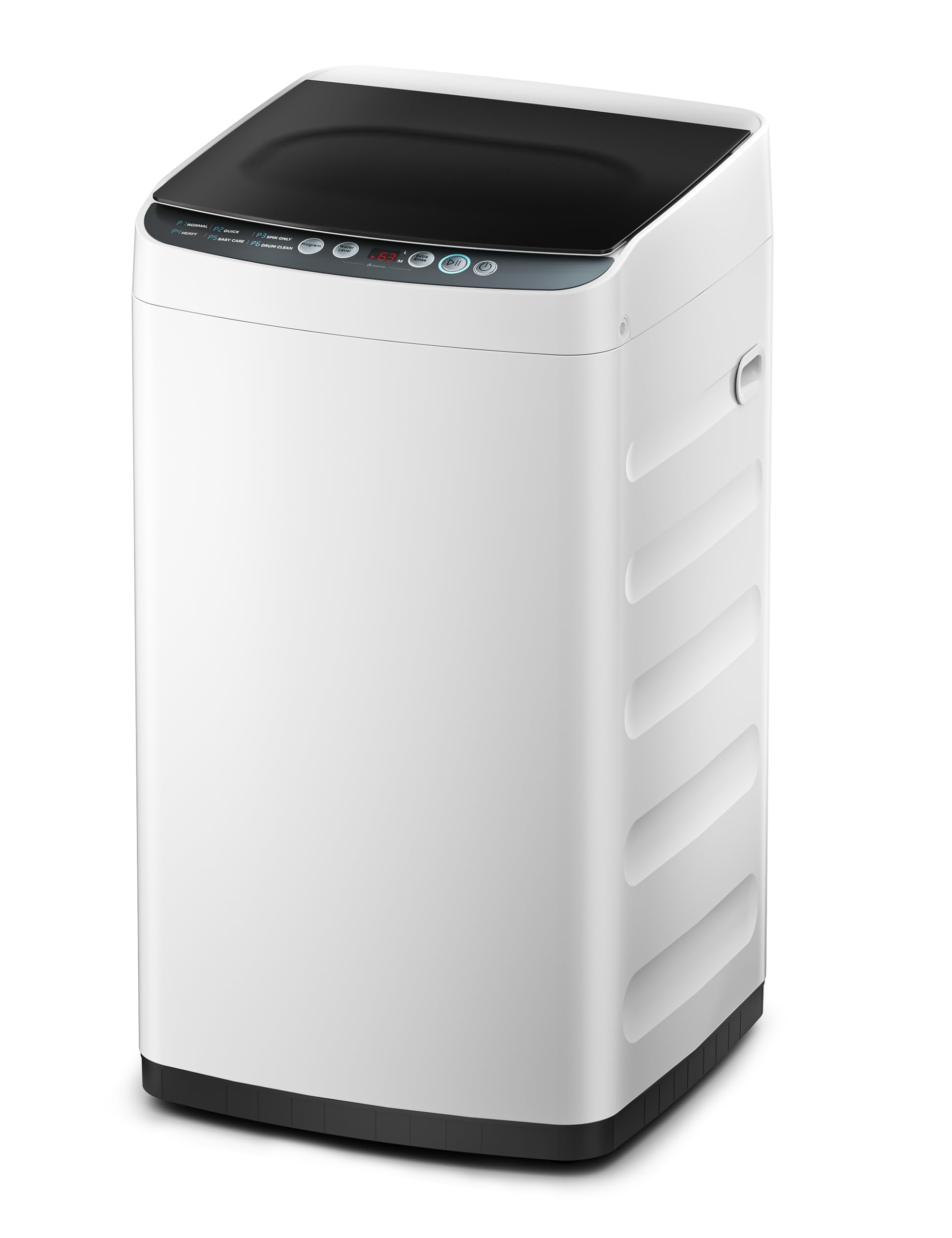
Midea
Midea MLTW09M1BWW portable washing machine
Portable · 0.9 cu ft · 110-120 V
$237.15 as of 11/20


Bodacious
Bodacious XQB201A-GREY6 portable washing machine
Portable · 2 cu ft · 110-120 V
$169.99 as of 11/20

Costway
Costway 24896WH-CYPE-1 portable washing machine
Portable · 11 lb · 720 rpm
$299.99 as of 11/20
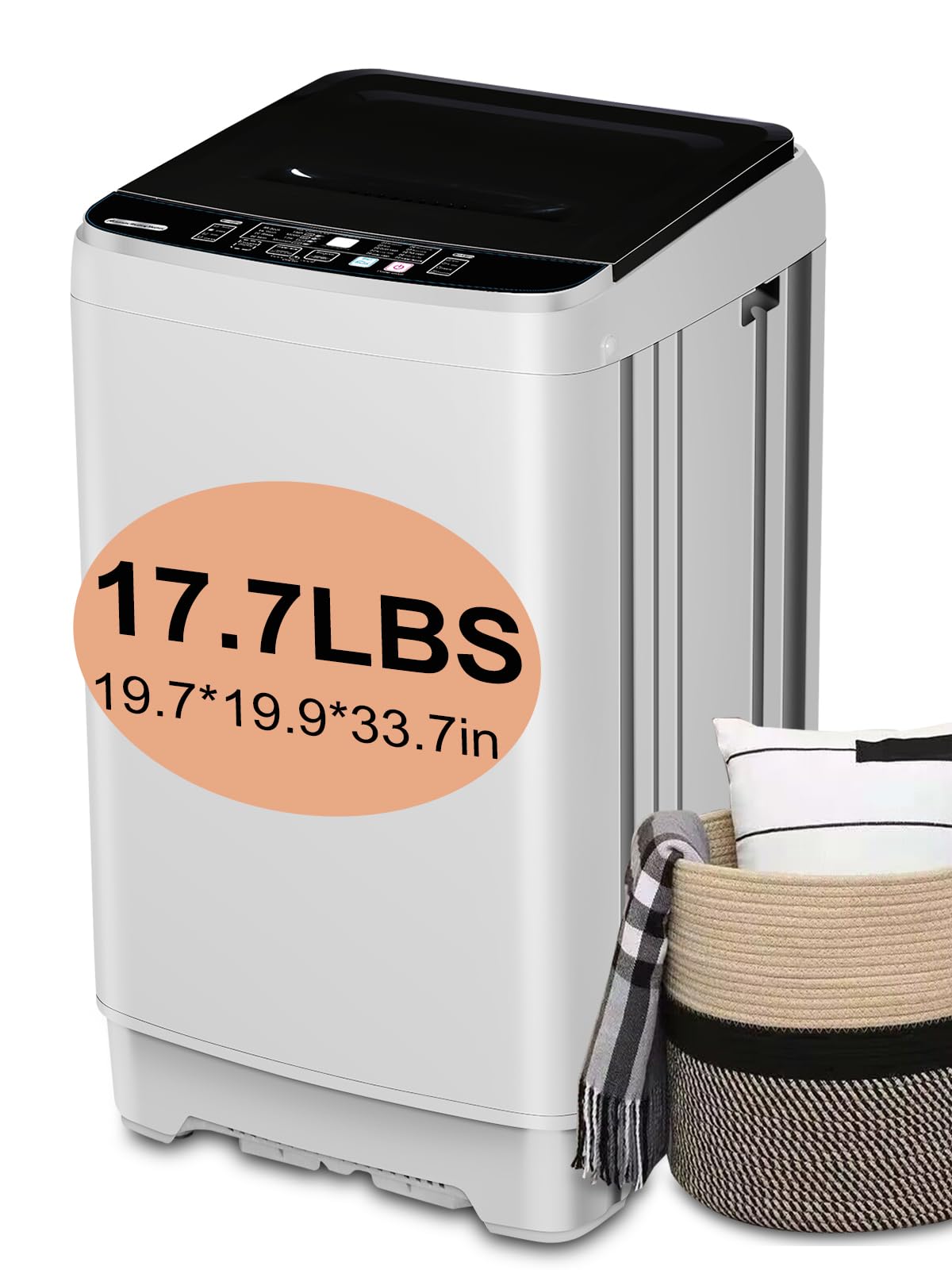

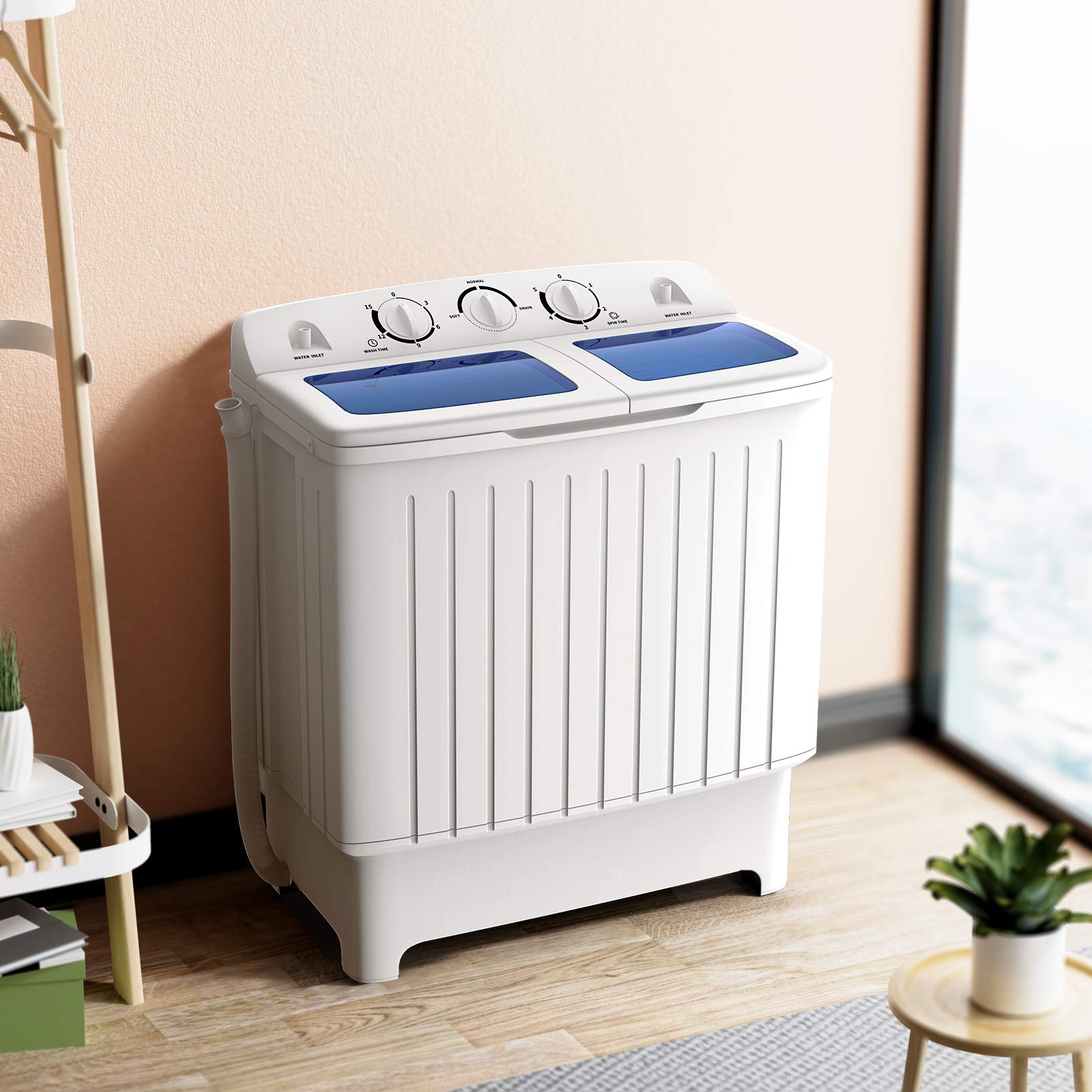
Giantex
Giantex GT24267-PE portable washing machine
Twin tub · 12 lb · 110-120 V
$127.49 as of 11/20

Anypro
Anypro XQB60-201-GREY portable washing machine
Portable · 17.8 lb · 110-120 V
$209.99 as of 11/20
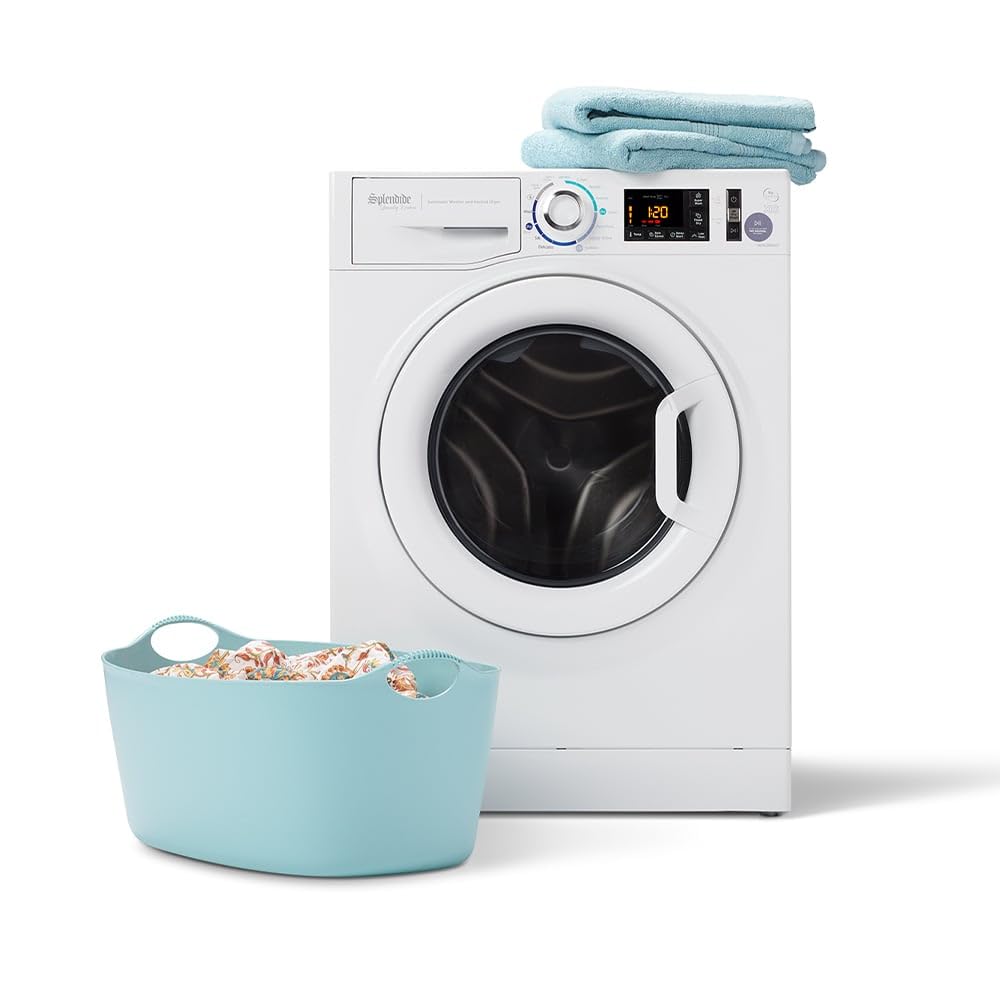
Westland
Westland WDV2200XCD washer dryer
Washer dryer combo · 11 lb · 1200 rpm
$1,400.00 as of 11/20
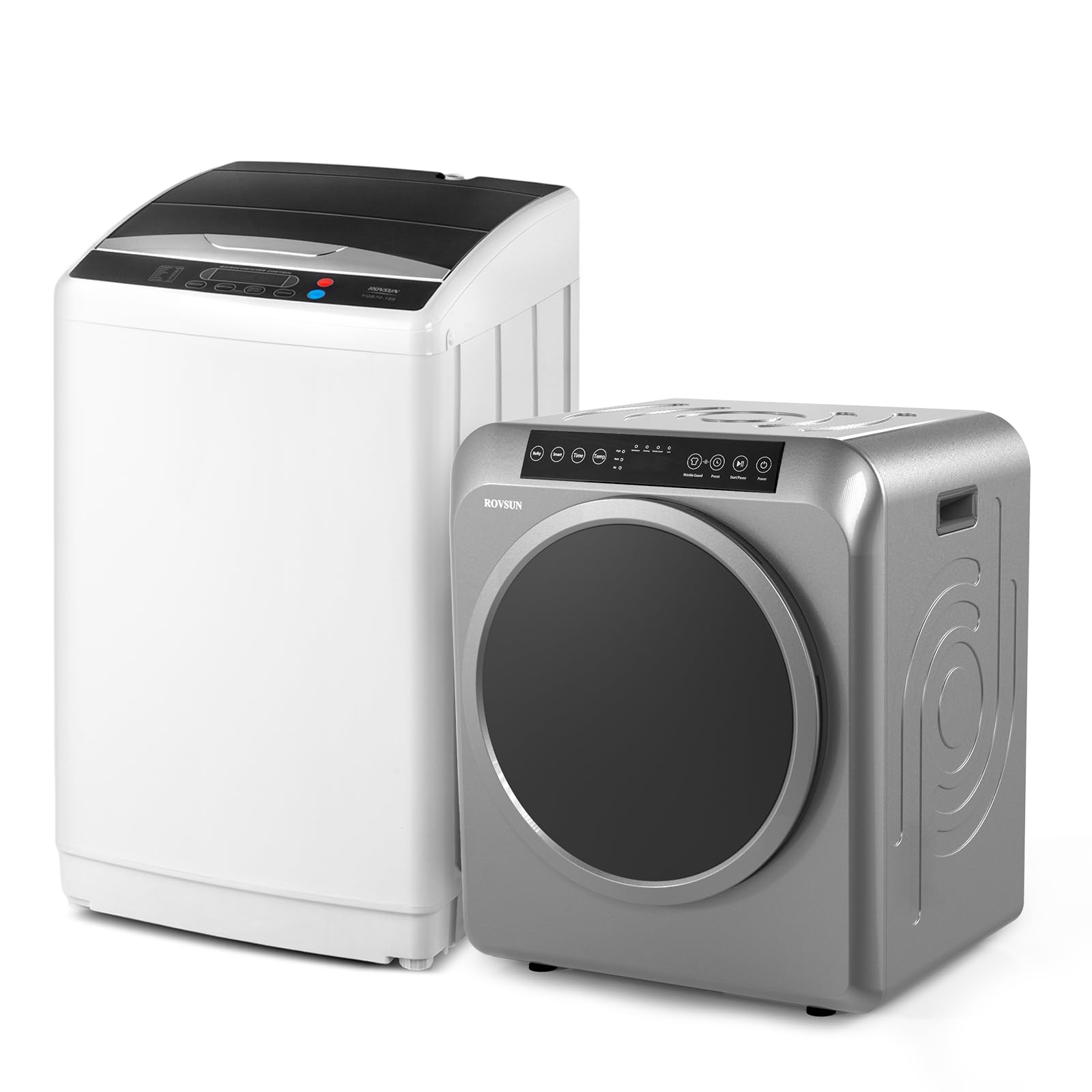
Rovsun
Rovsun 096-560 washer and dryer set
Washer and dryer set · 3.5 cu ft · 25 lb
$589.99 as of 11/20

Costway
Costway 10587US-CYPF portable washing machine
Twin tub · 17.6 lb · 22.5 in
$139.99 as of 11/20


Costway
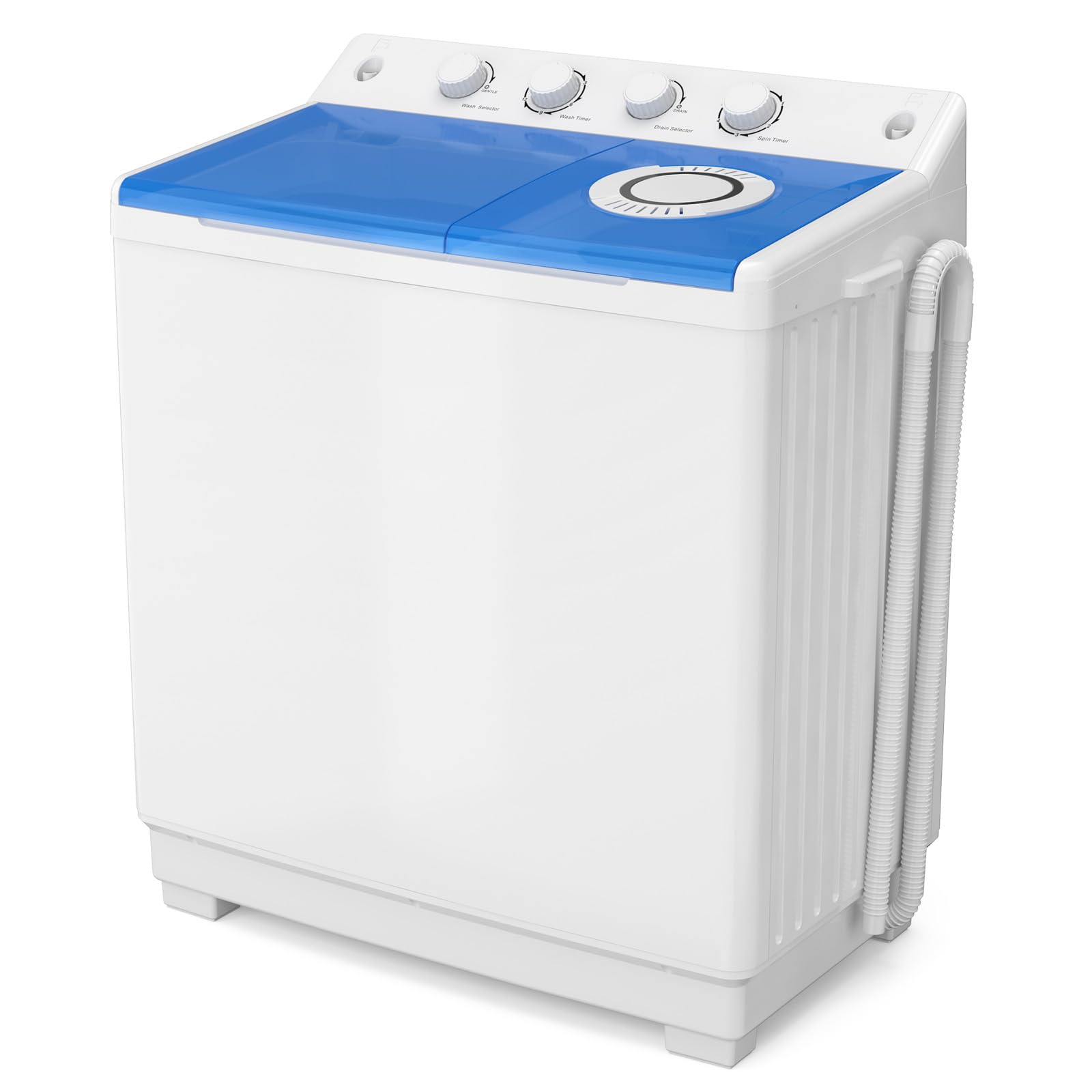
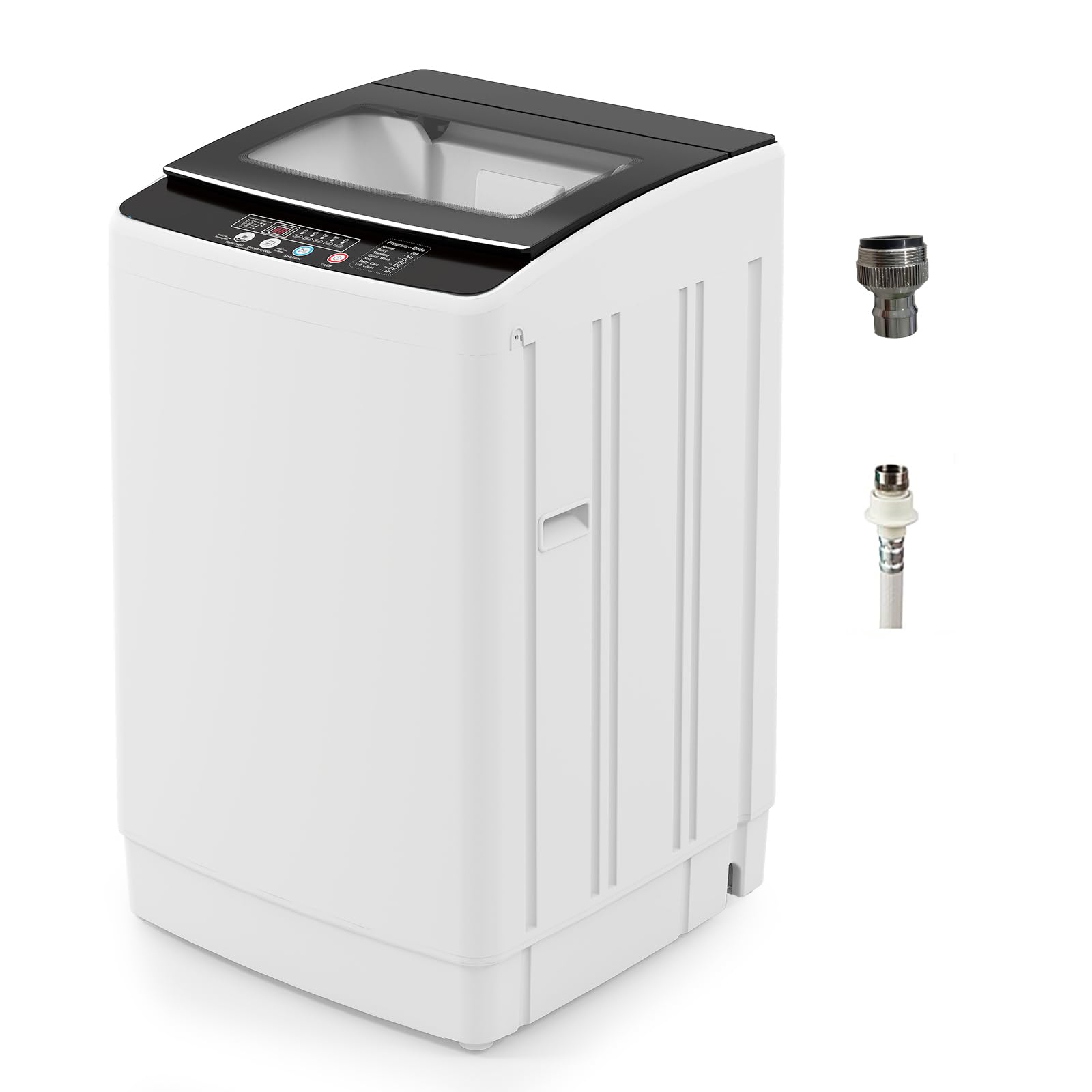
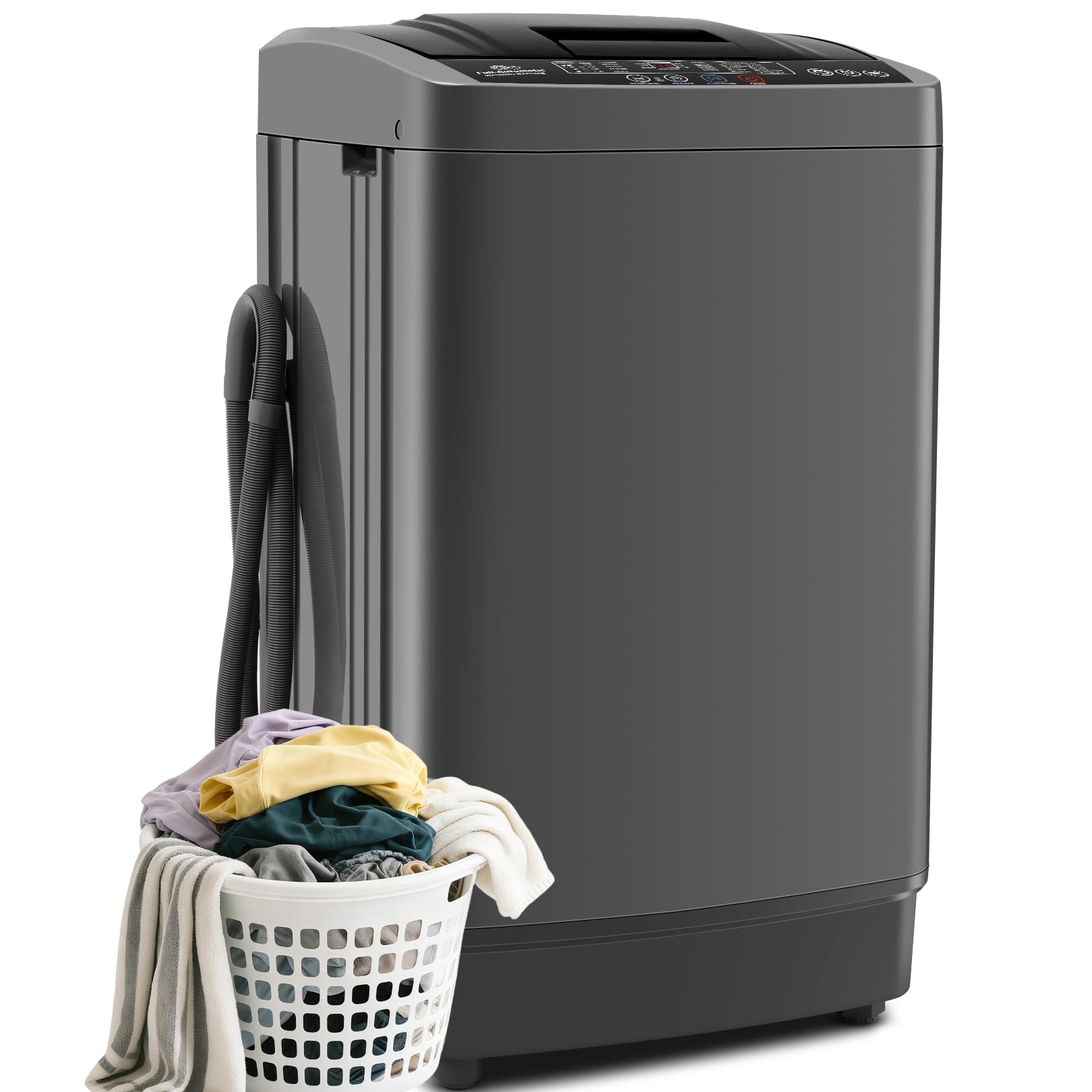
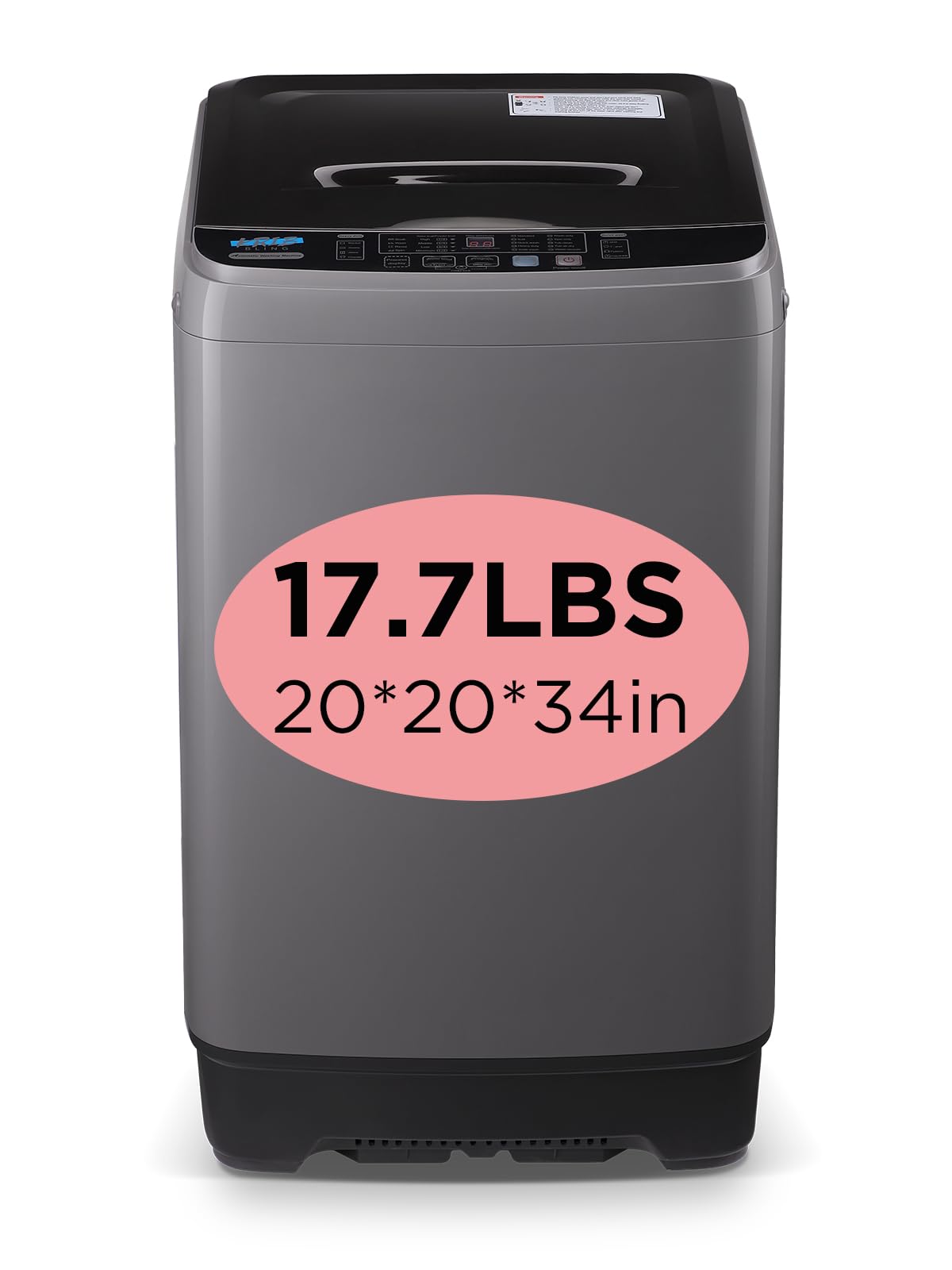
Costway 10091-CYPF portable washing machine
Portable · 12 lb · 110-120 V
$237.99 as of 11/20
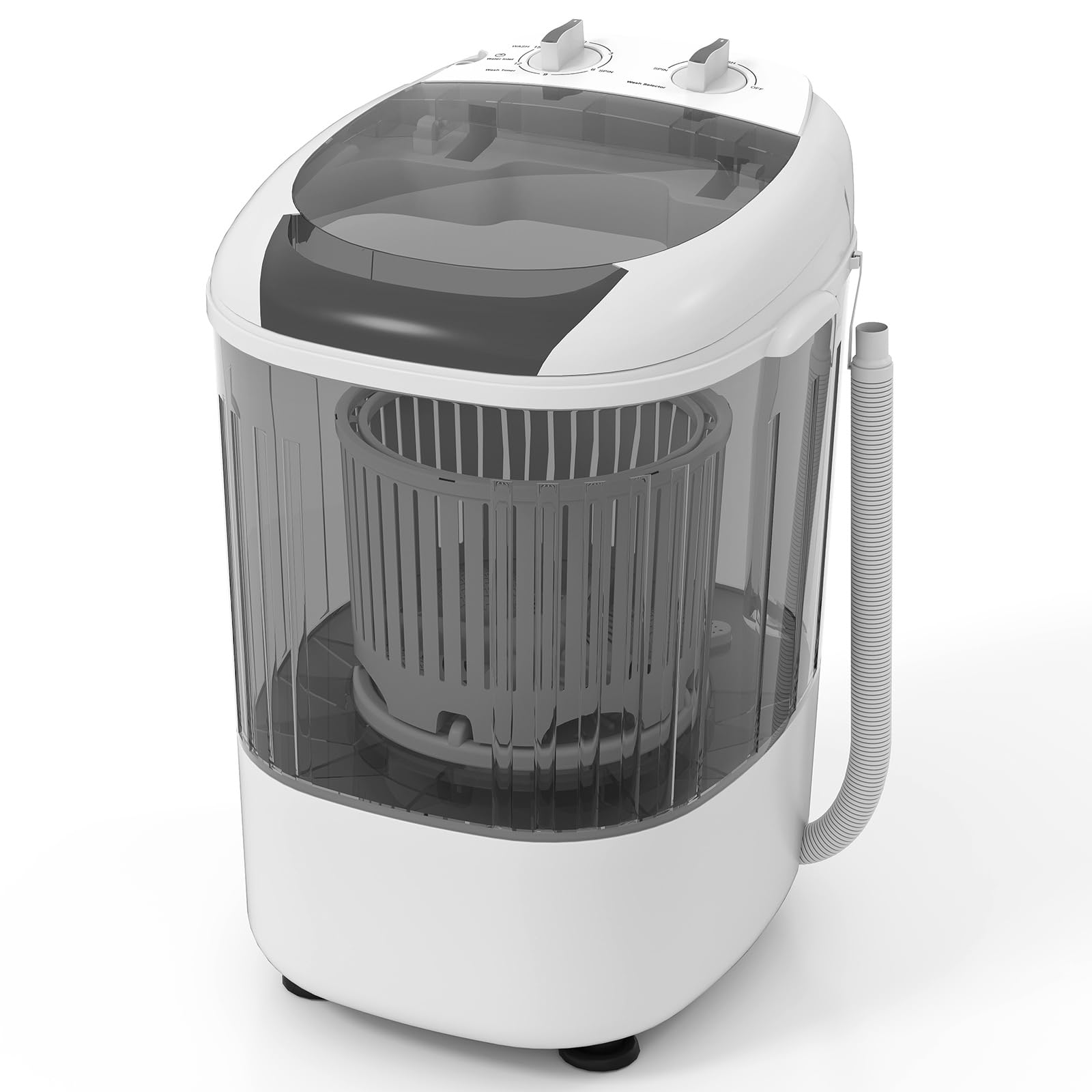

Koolmore
KoolMore FLC-3CWH washer dryer combo
Washer dryer combo · 2.7 cu ft · 1300 rpm
$1,349.00 as of 11/20
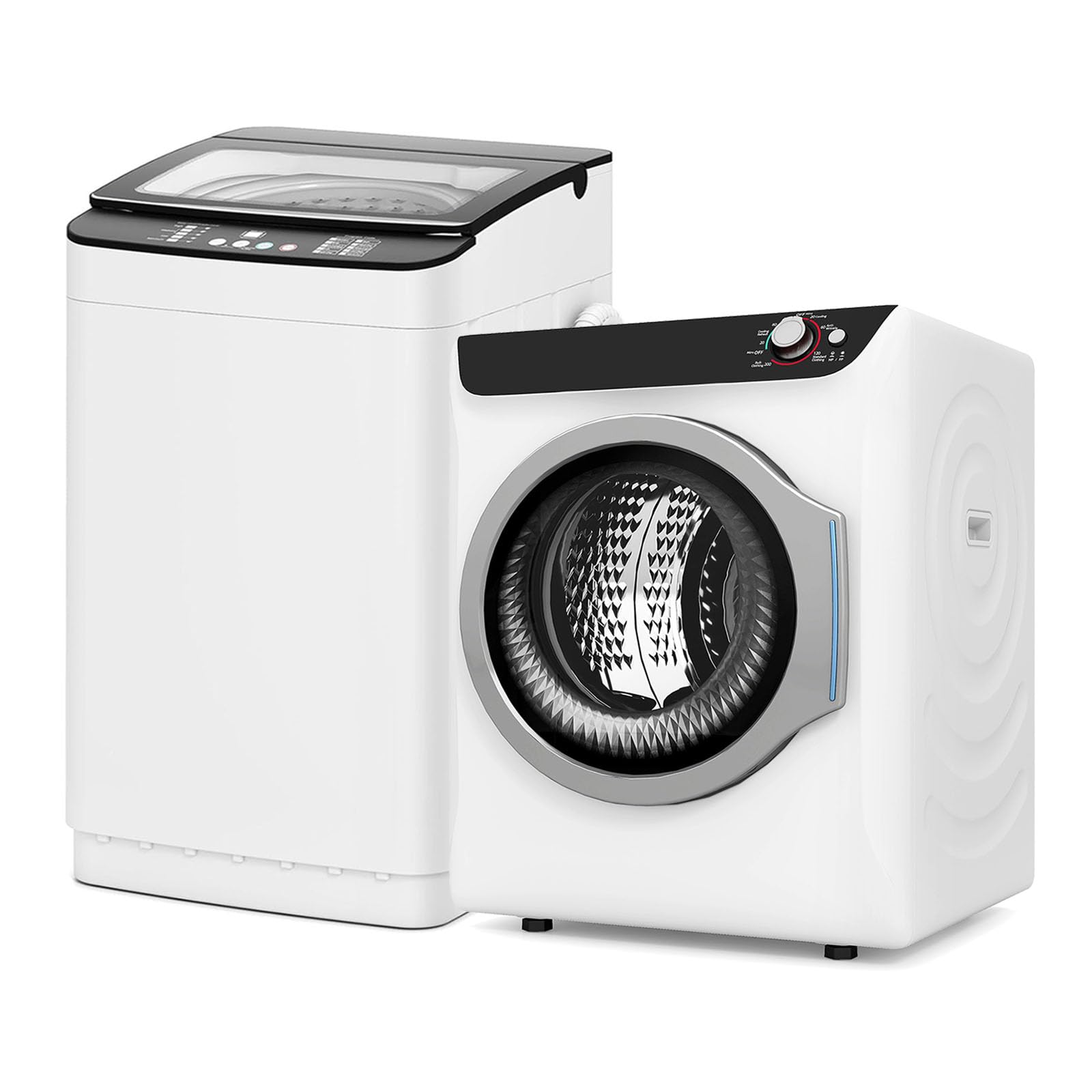
Auertech
Auertech AU6080T washer and dryer combo
Washer and dryer set · 2.6 cu ft · 28 lb
$509.99 as of 11/20
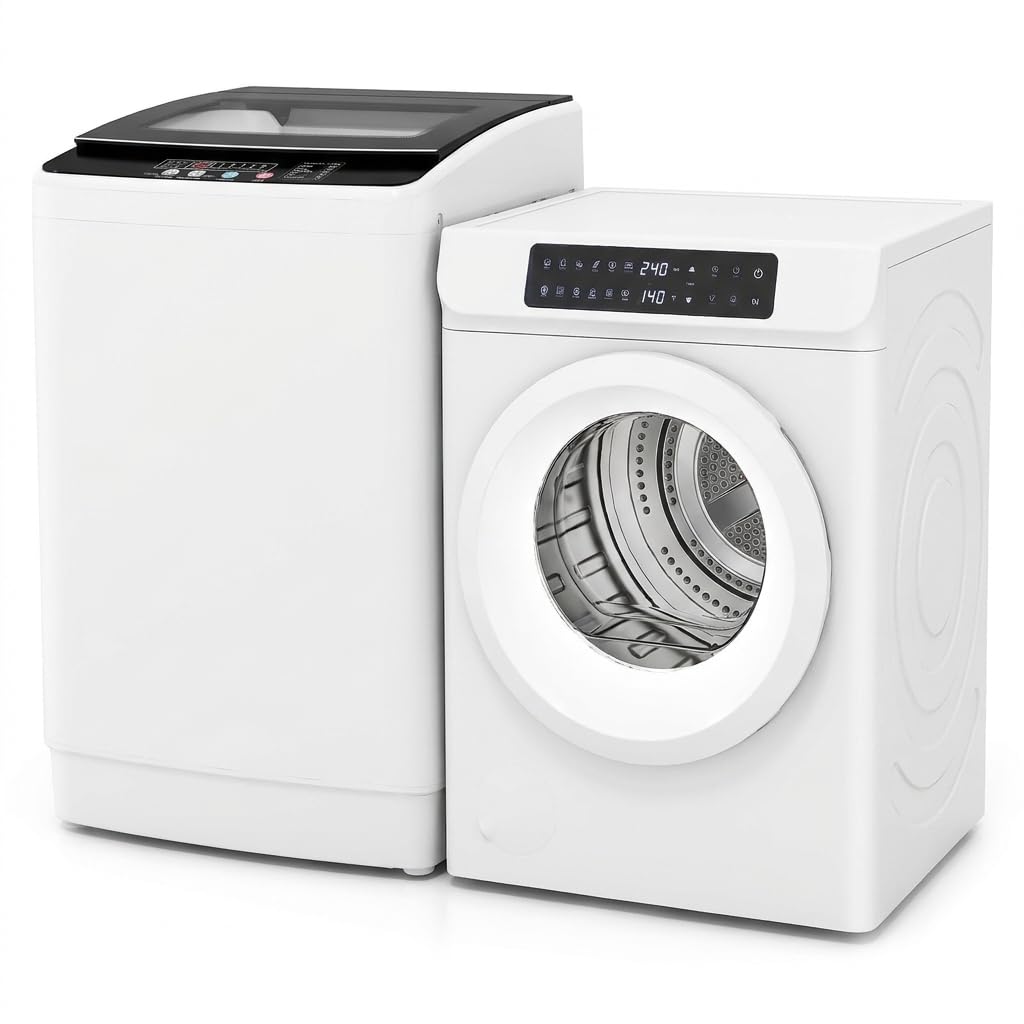
Auertech
Auertech AU7010 washer and dryer combo
Washer and dryer set · 35 lb · 110-120 V
$799.99 as of 11/20
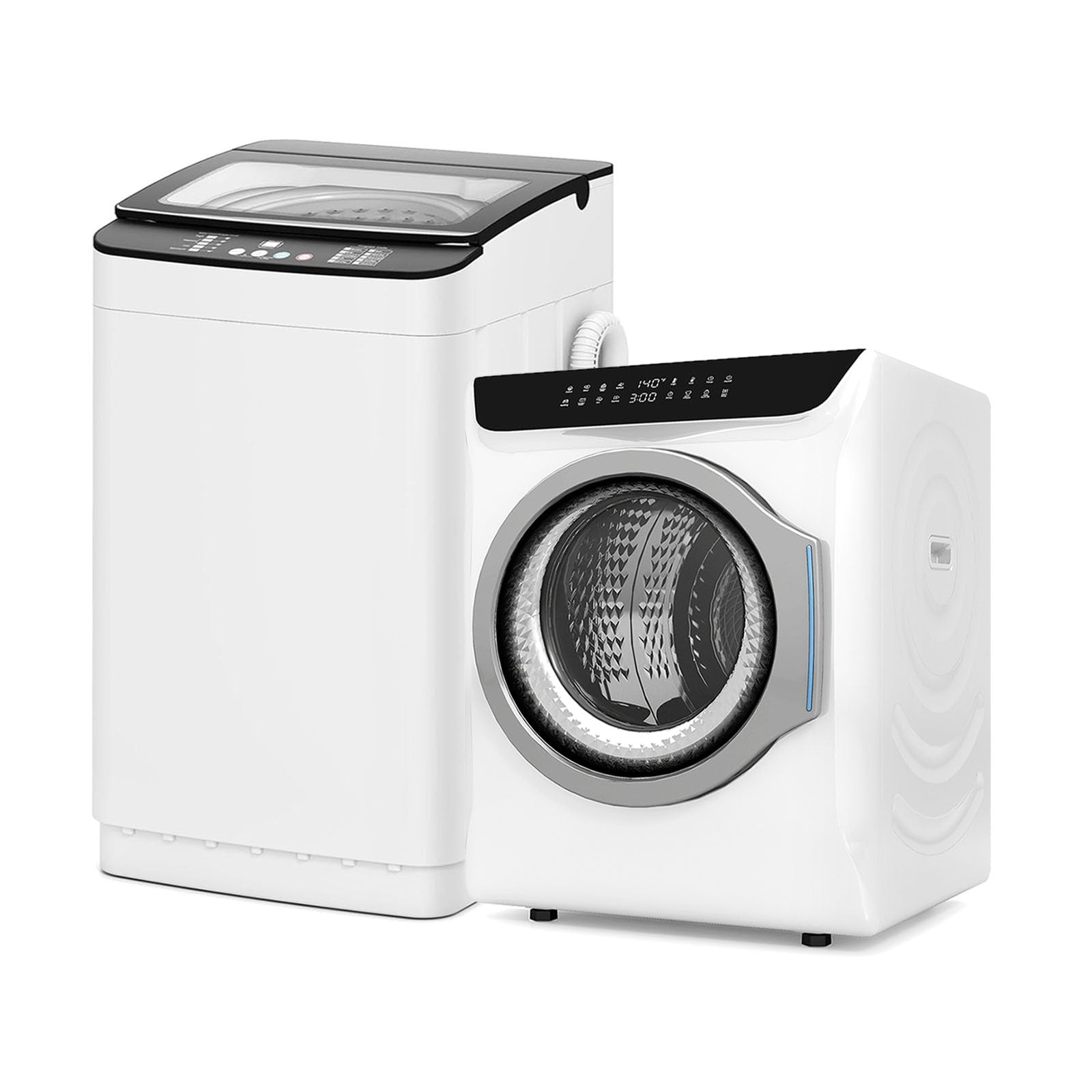
Auertech
Auertech AU6080 washer and dryer combo
Washer and dryer set · 28 lb · 110-120 V
$529.99 as of 11/20

Black+Decker
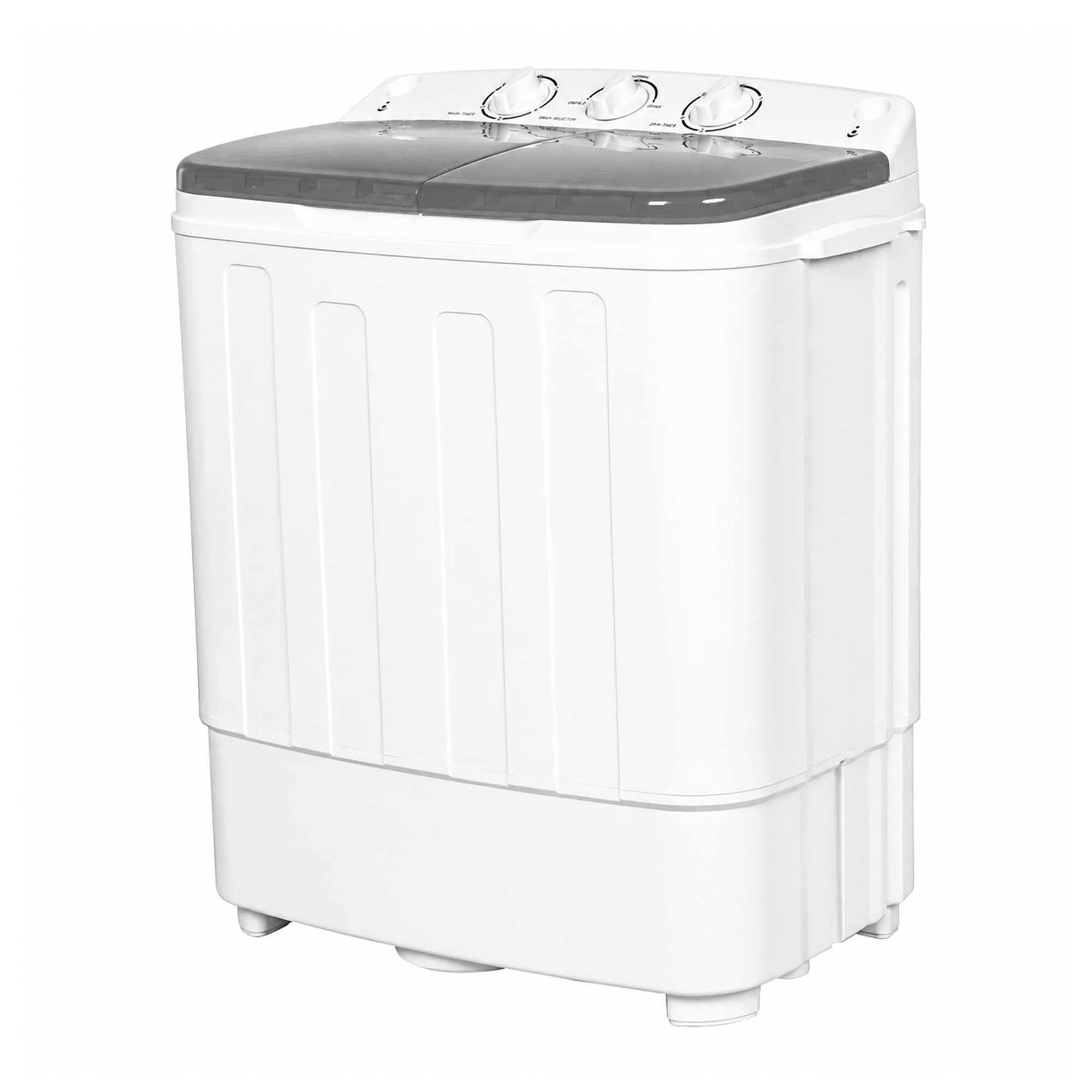
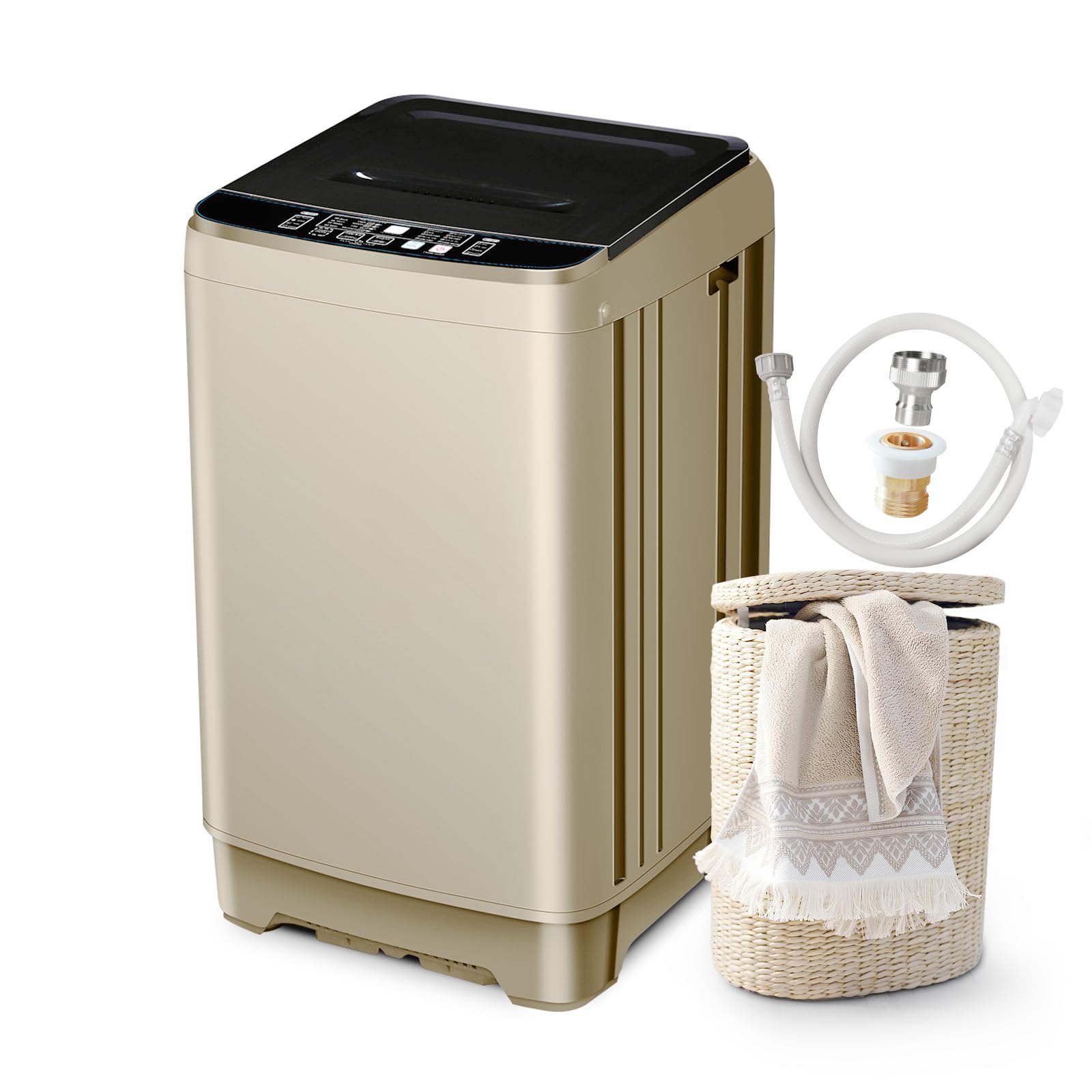
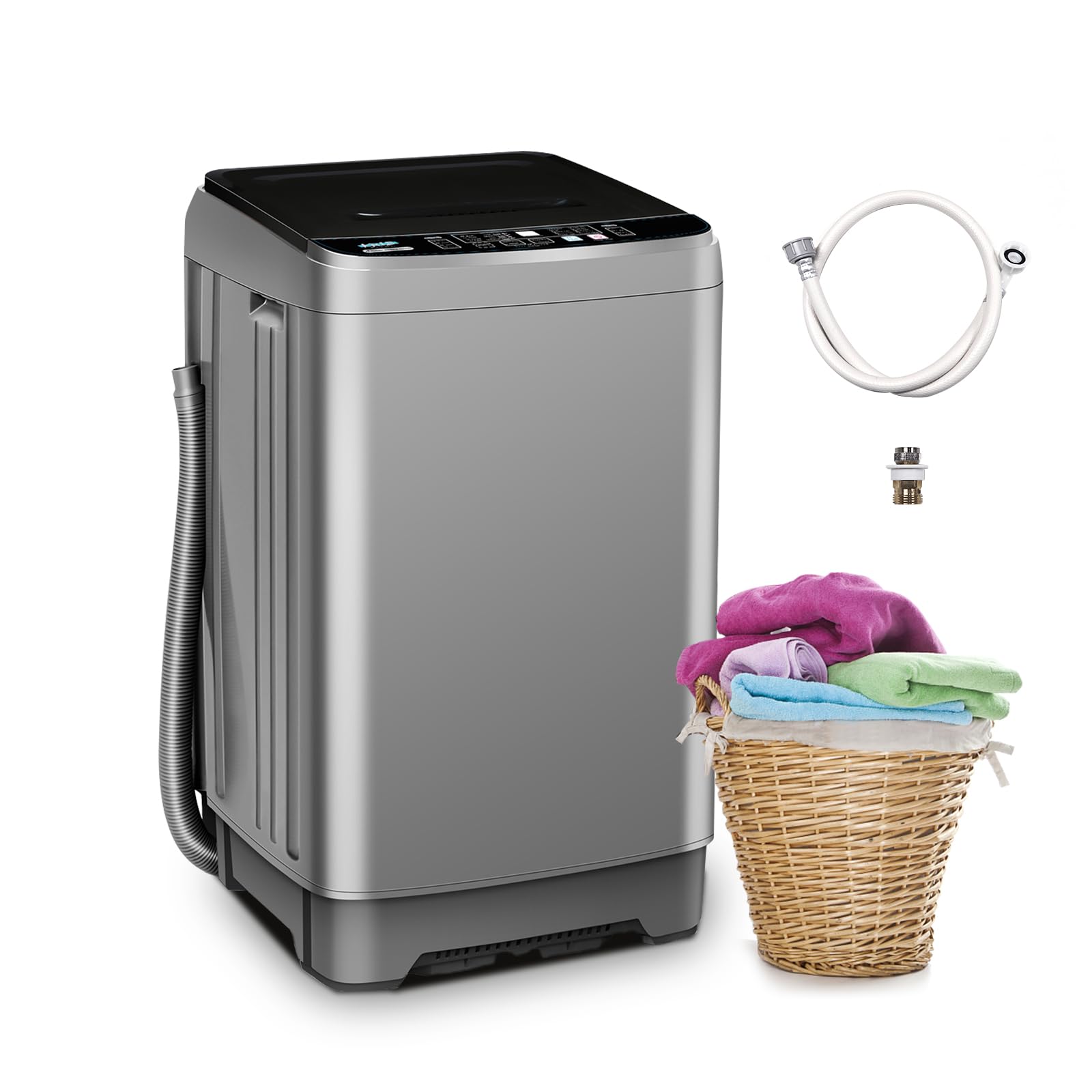
Black+Decker BCW27MW washer dryer combo
Washer dryer combo · 2.7 cu ft · 25.6 lb
$975.79 as of 11/20


Bangson
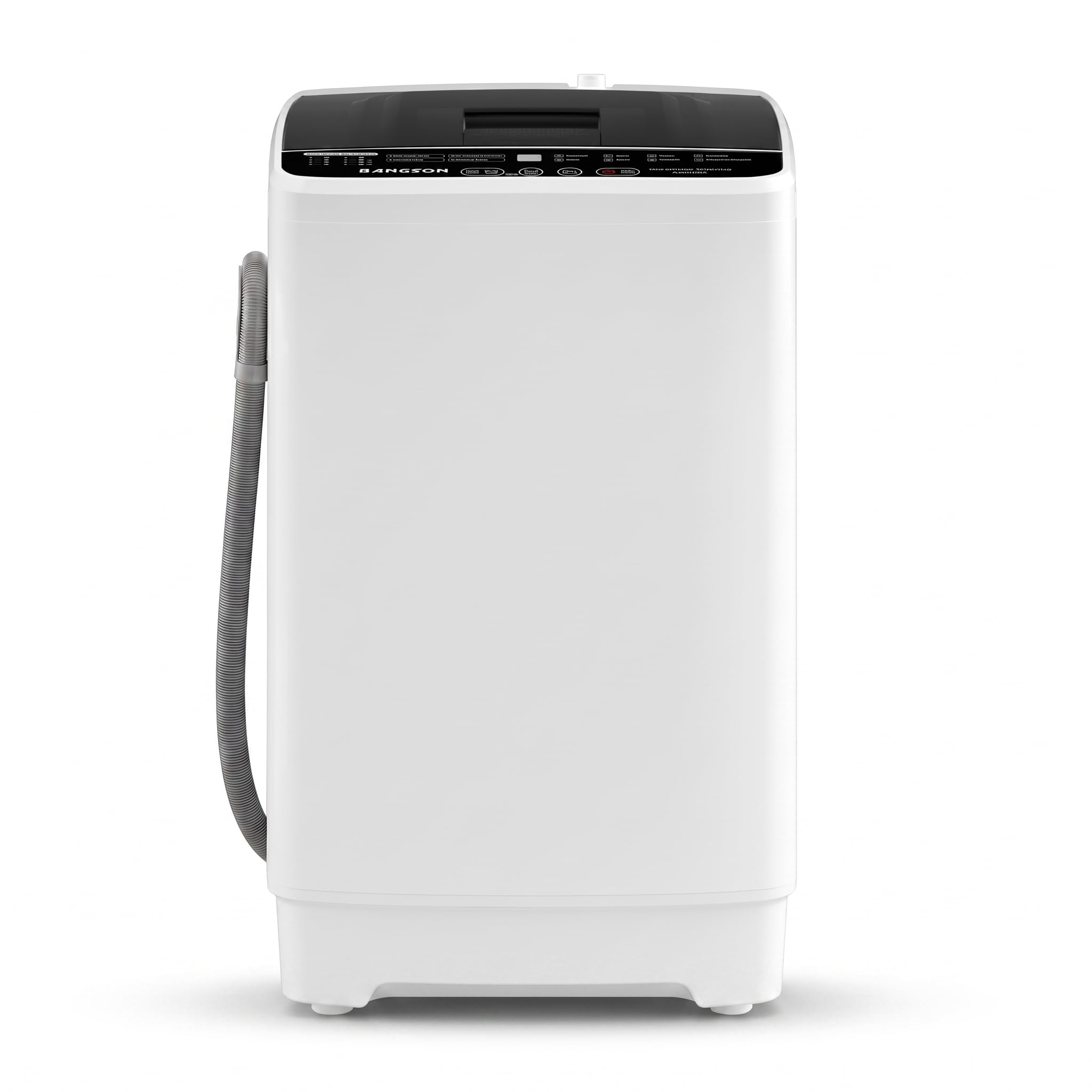
Bangson BSW250035 portable washing machine
Portable · 1.08 cu ft · 18.1 in
$169.99 as of 11/20
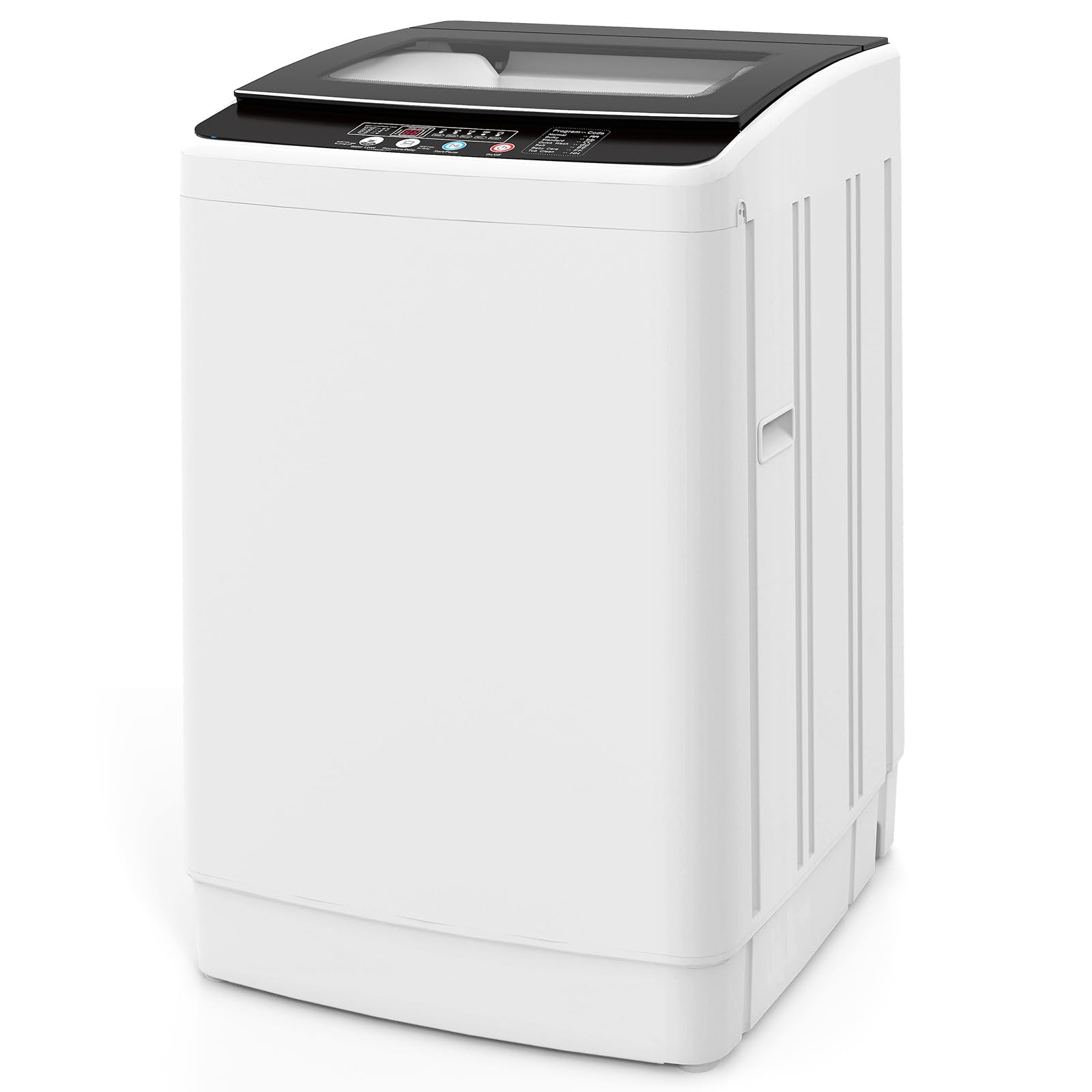
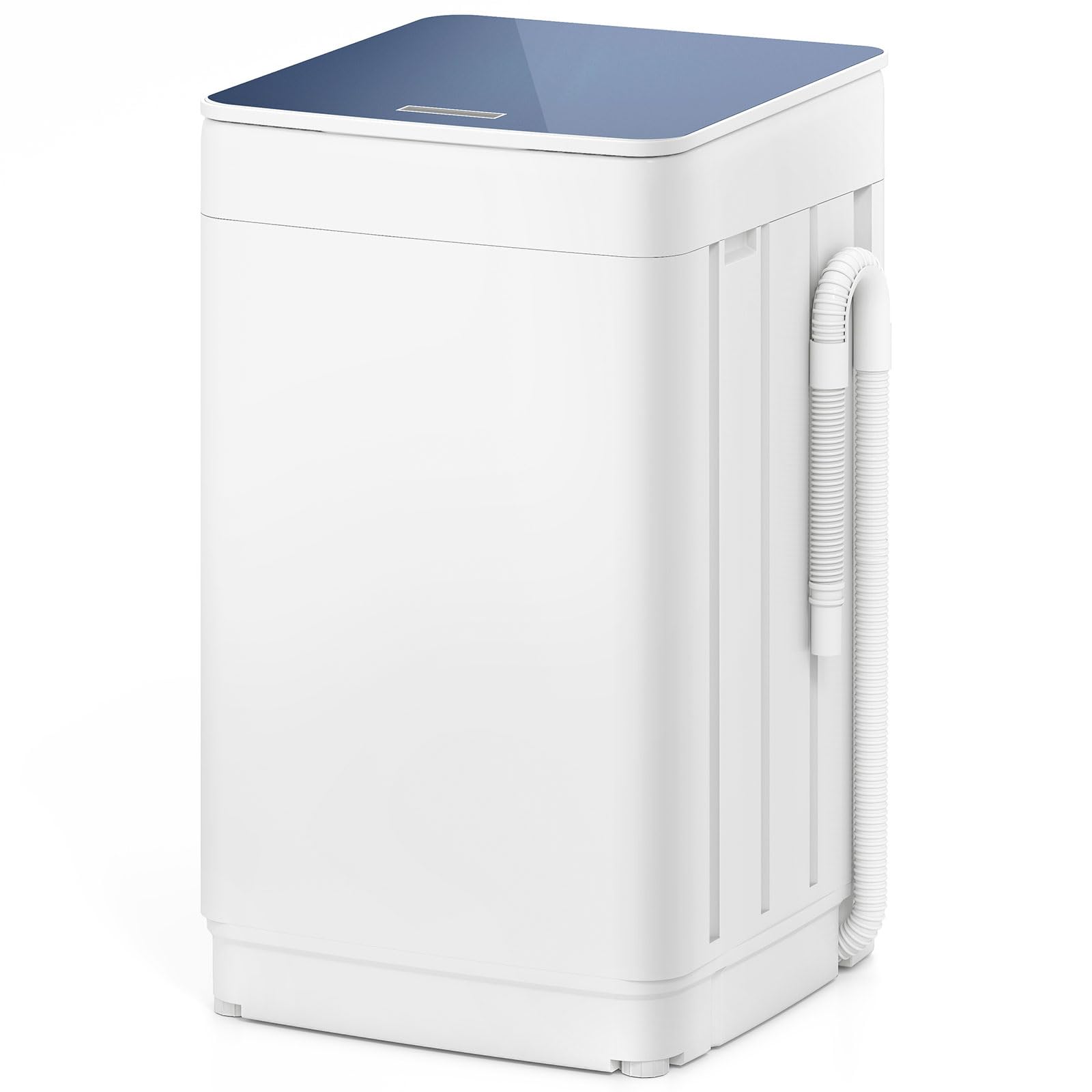
Auertech
Auertech 7750AT-AU portable washing machine
Portable · 2 cu ft · 1600 rpm
$179.99 as of 11/20
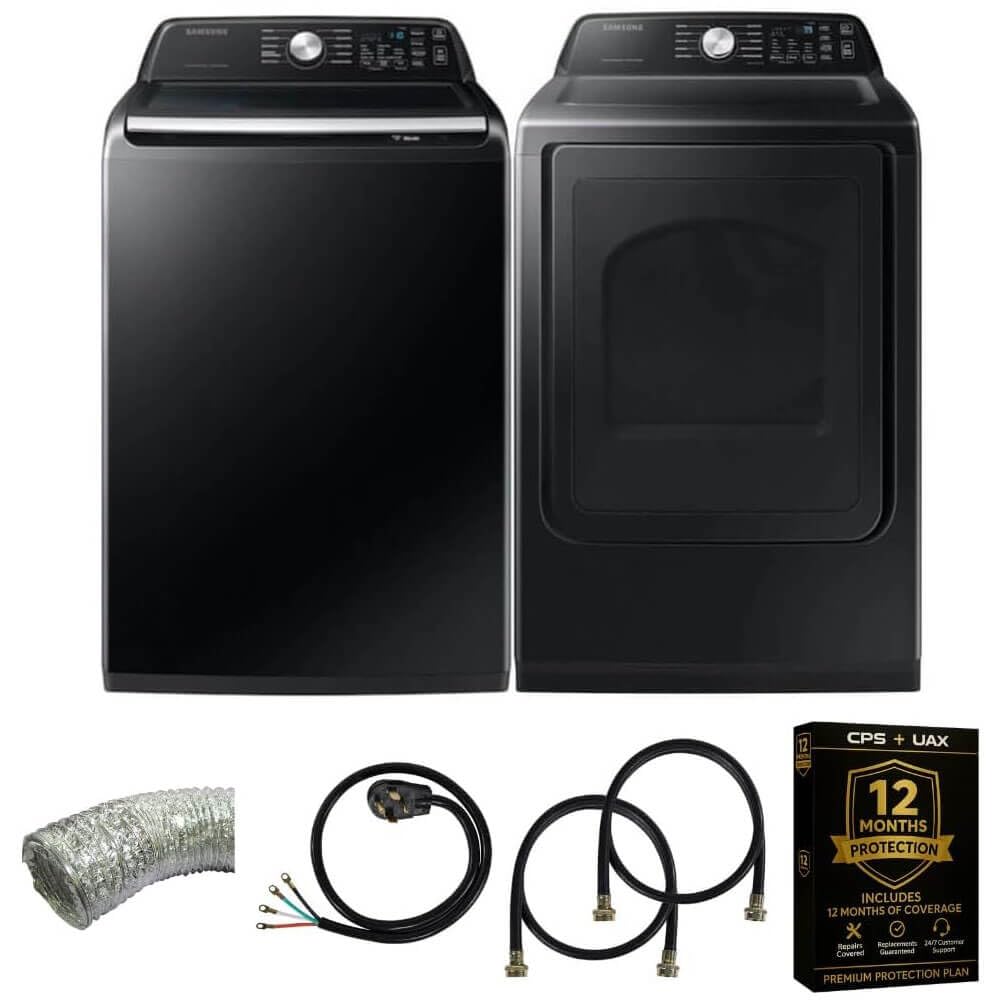
Samsung
Samsung WA47CG3500K1 washer and dryer
Washer and dryer set · 4.7 cu ft · Large families
$1,598.00 as of 11/20
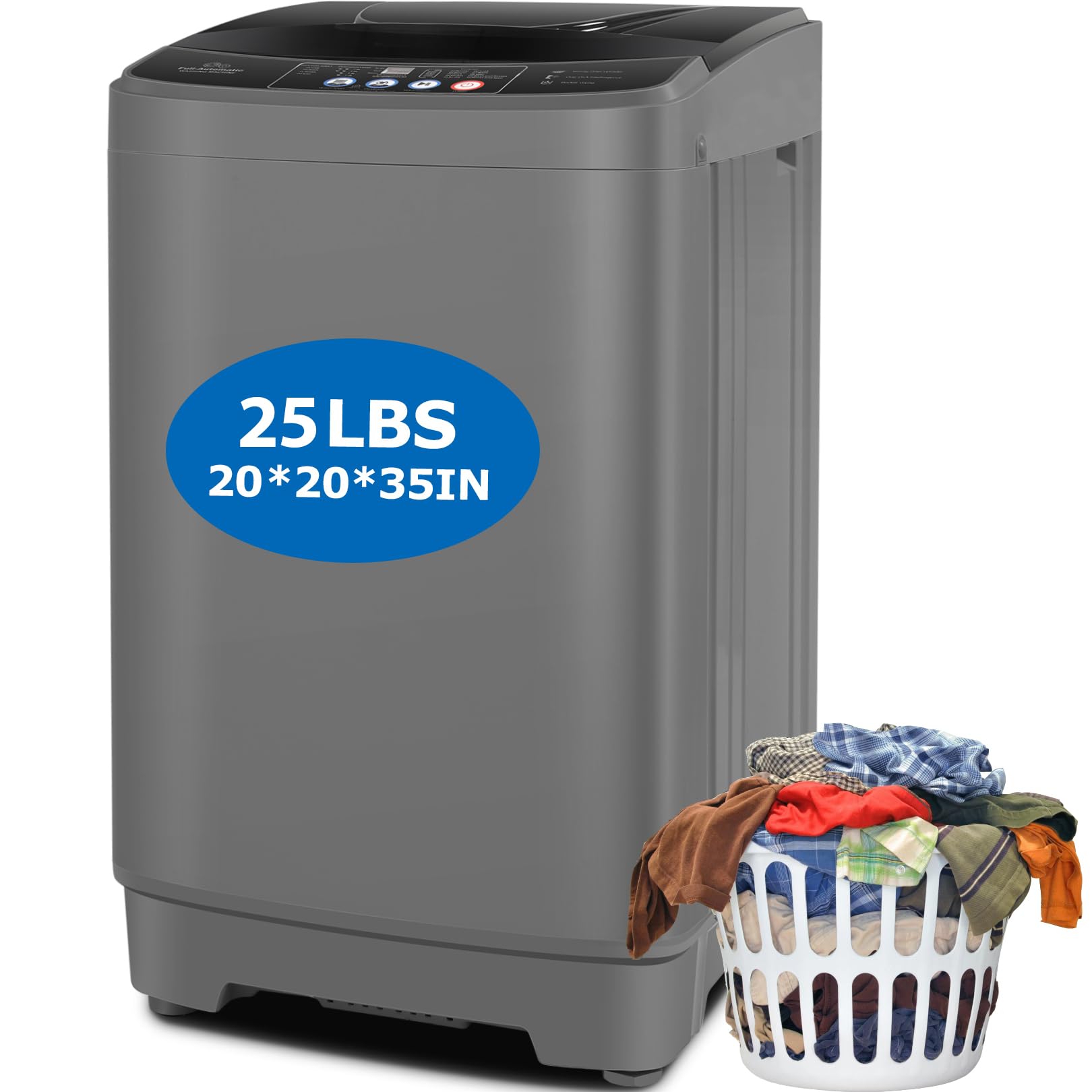
Nictemaw
Nictemaw Niwasher-7001 portable washing machine
Portable · 2.8 cu ft · 25 lb
$249.99 as of 11/20
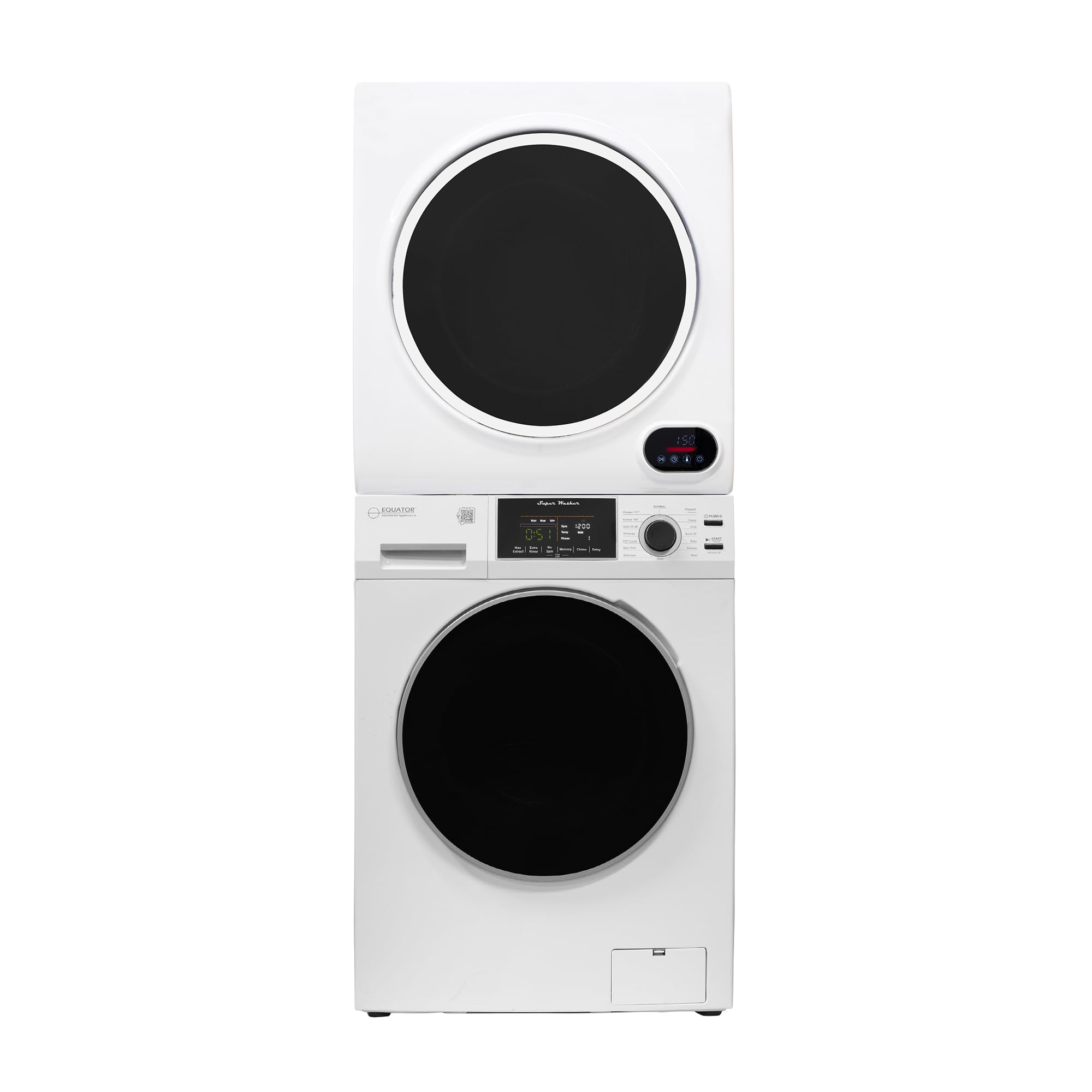
Equator
Equator EW826 ED 852 washer dryer set
Stacked laundry center · 1.6 cu ft · 15 lb
$1,699.00 as of 11/20
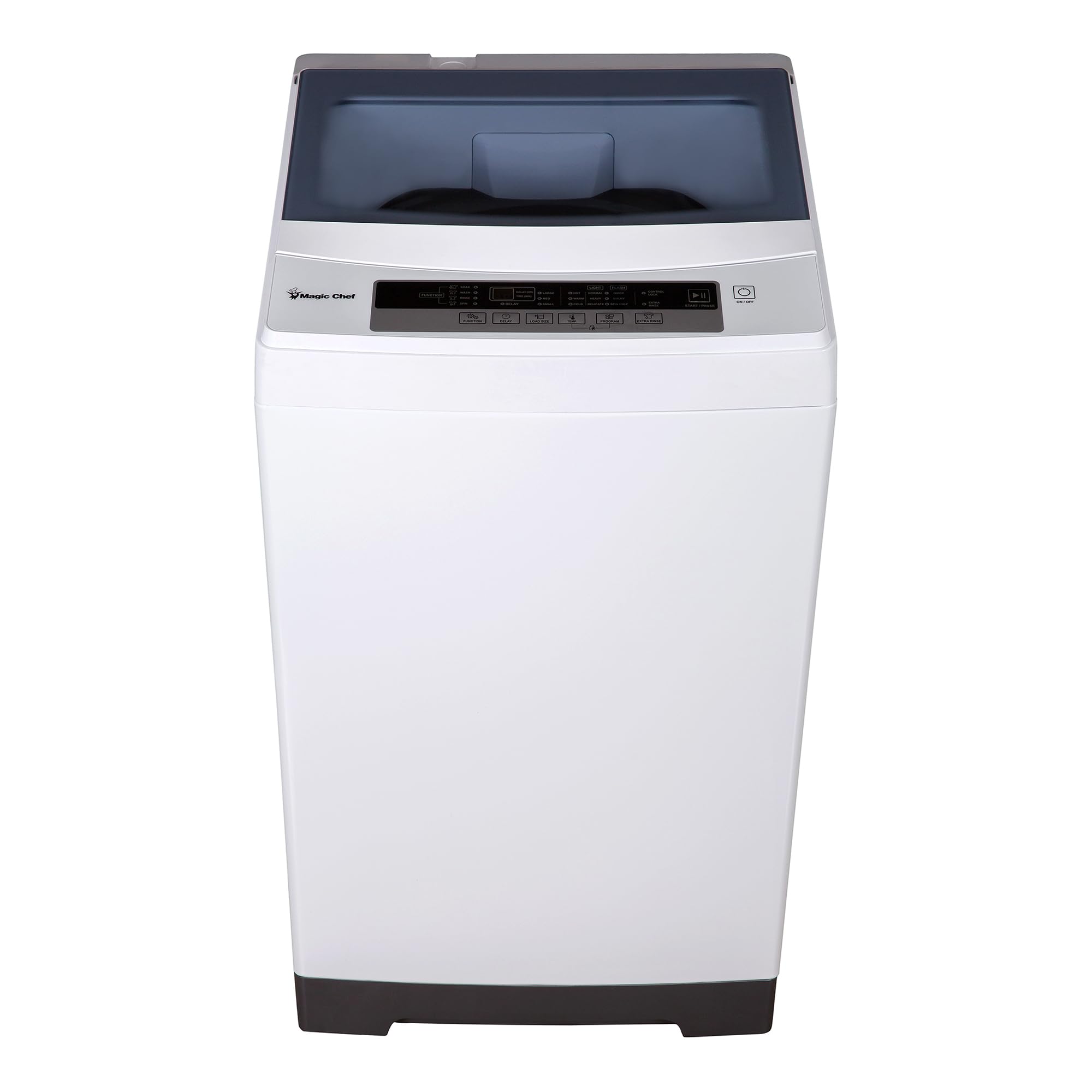
Magic Chef
Magic Chef MCSTCW17W5 top load washer
Portable · 1.7 cu ft · 110-120 V
$421.99 as of 11/20
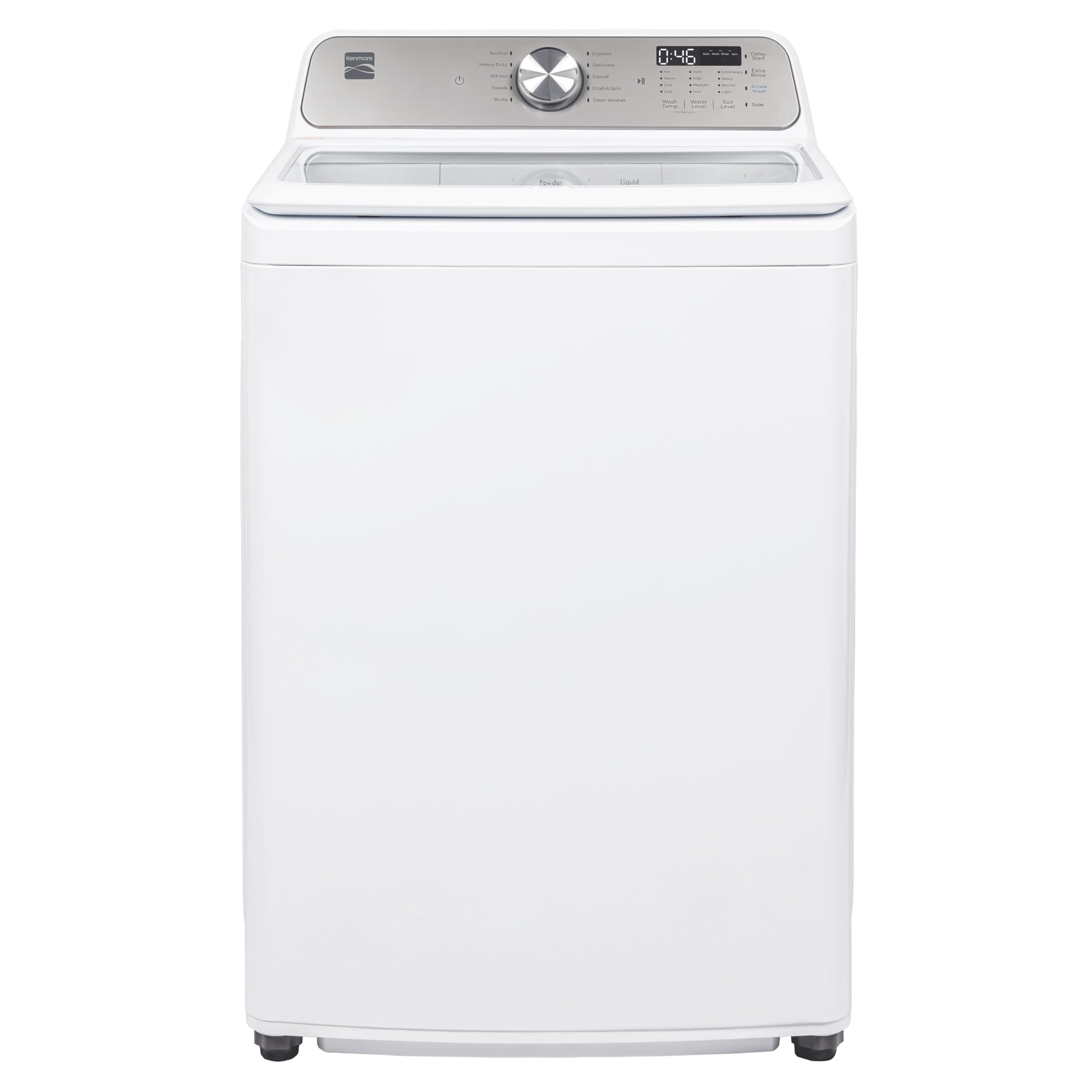
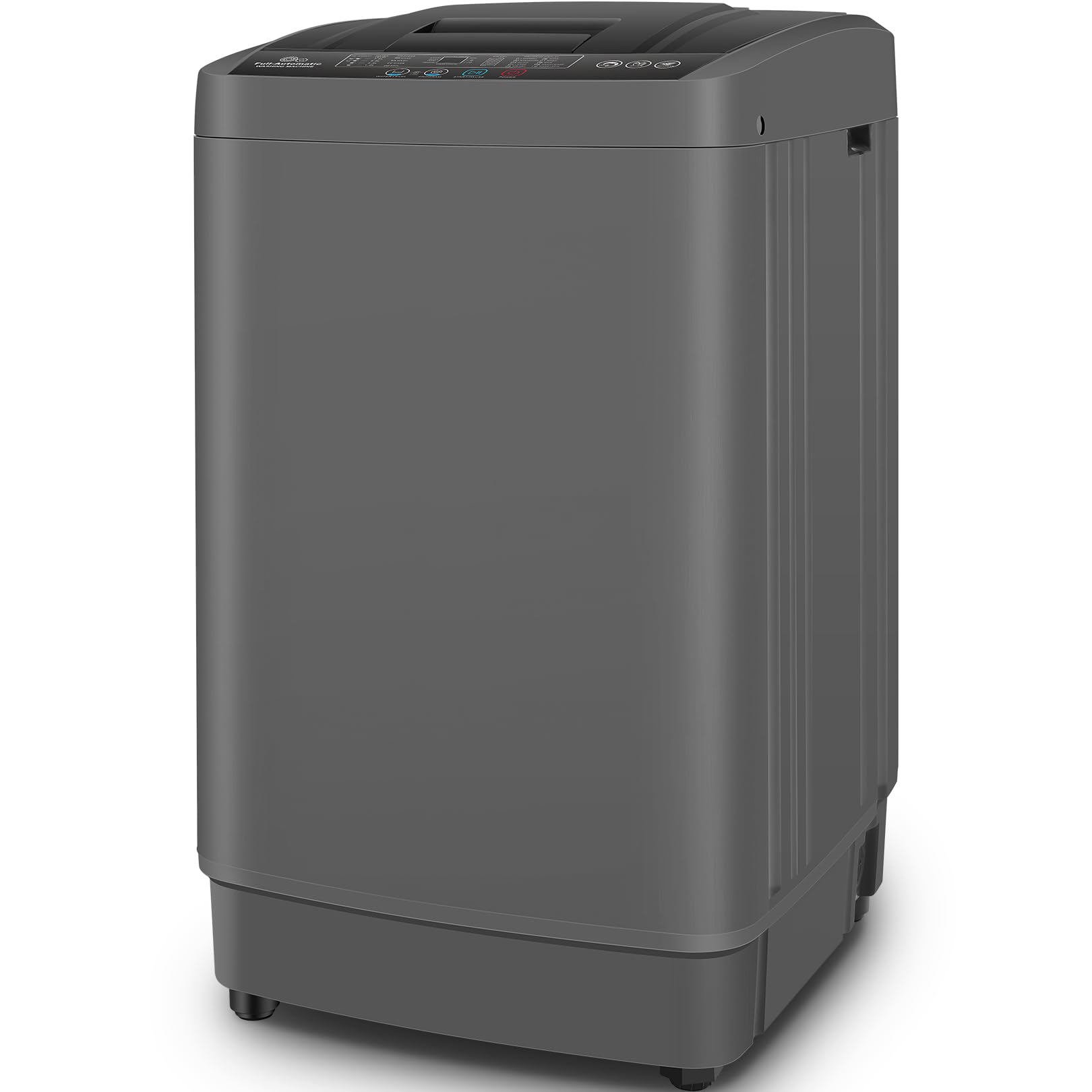
Nictemaw
Nictemaw 5584-3-G-washer portable washing machine
Portable · 2.8 cu ft · 20 lb
$239.99 as of 11/20
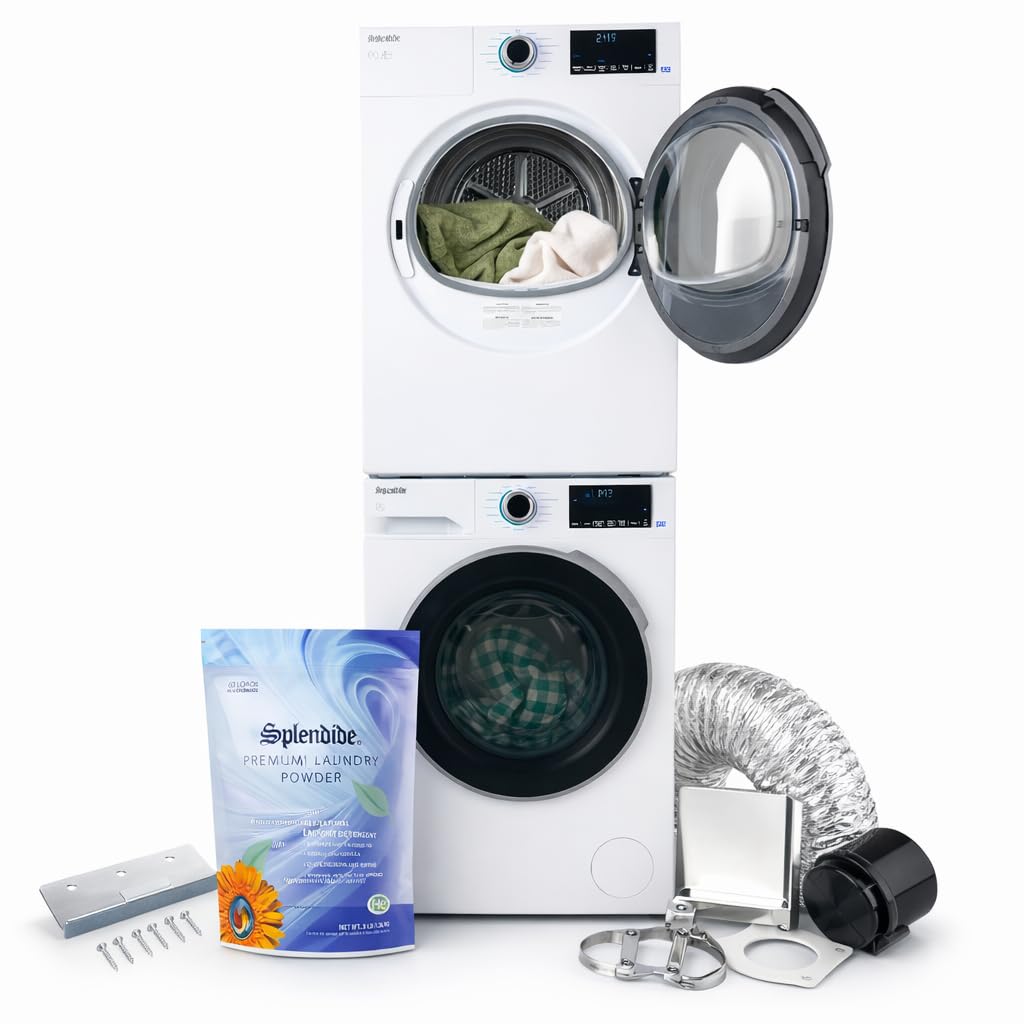
Splendide WFL2500X & DV1725X washer and dryer set
Stacked laundry center · 2.3 cu ft · 110-120 V
$2,395.00 as of 11/20

GE
GE GUD27ESPMDG washer dryer combo
Washer and dryer set · 3.8 cu ft · 33.5 in
$1,647.00 as of 11/20
Olixis
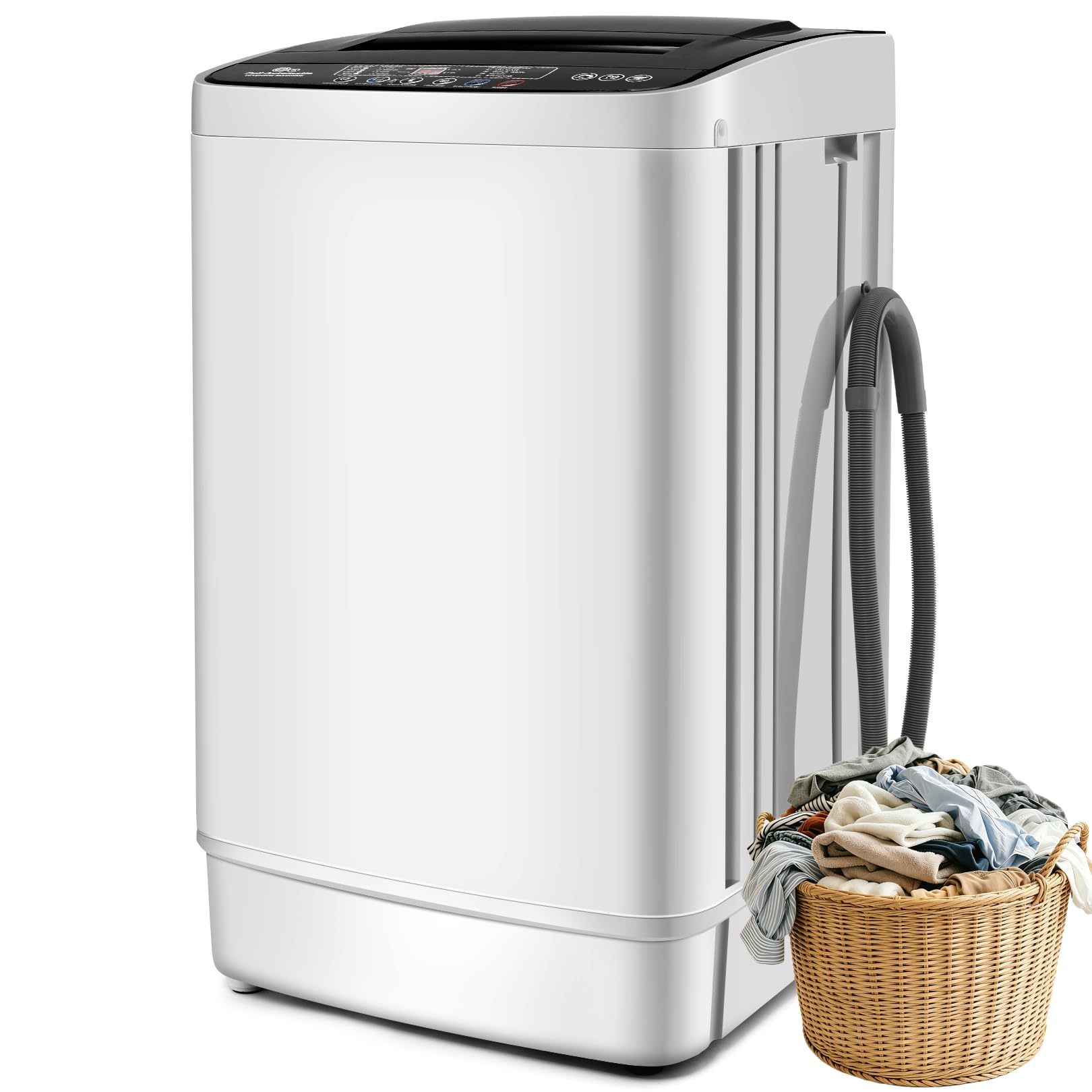
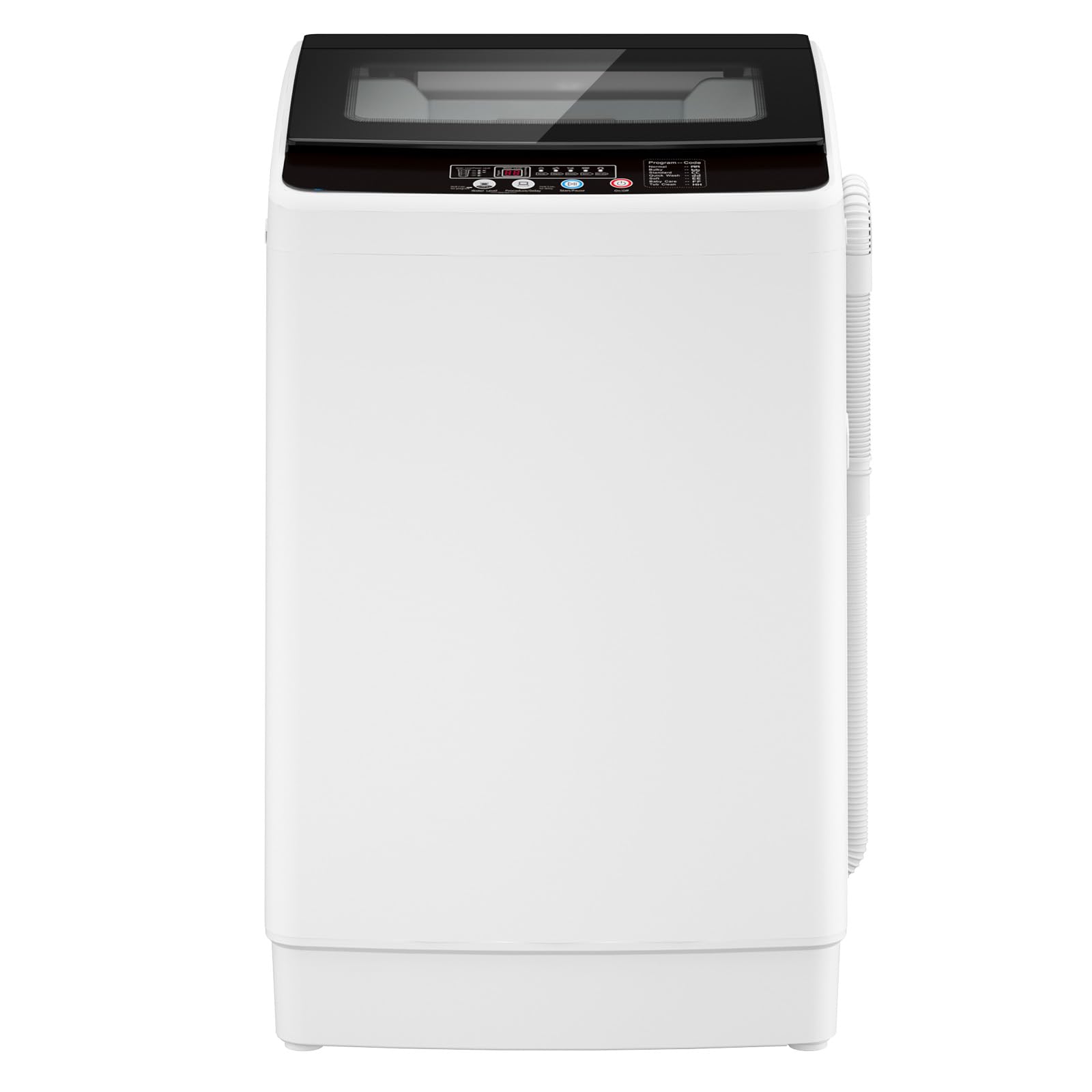
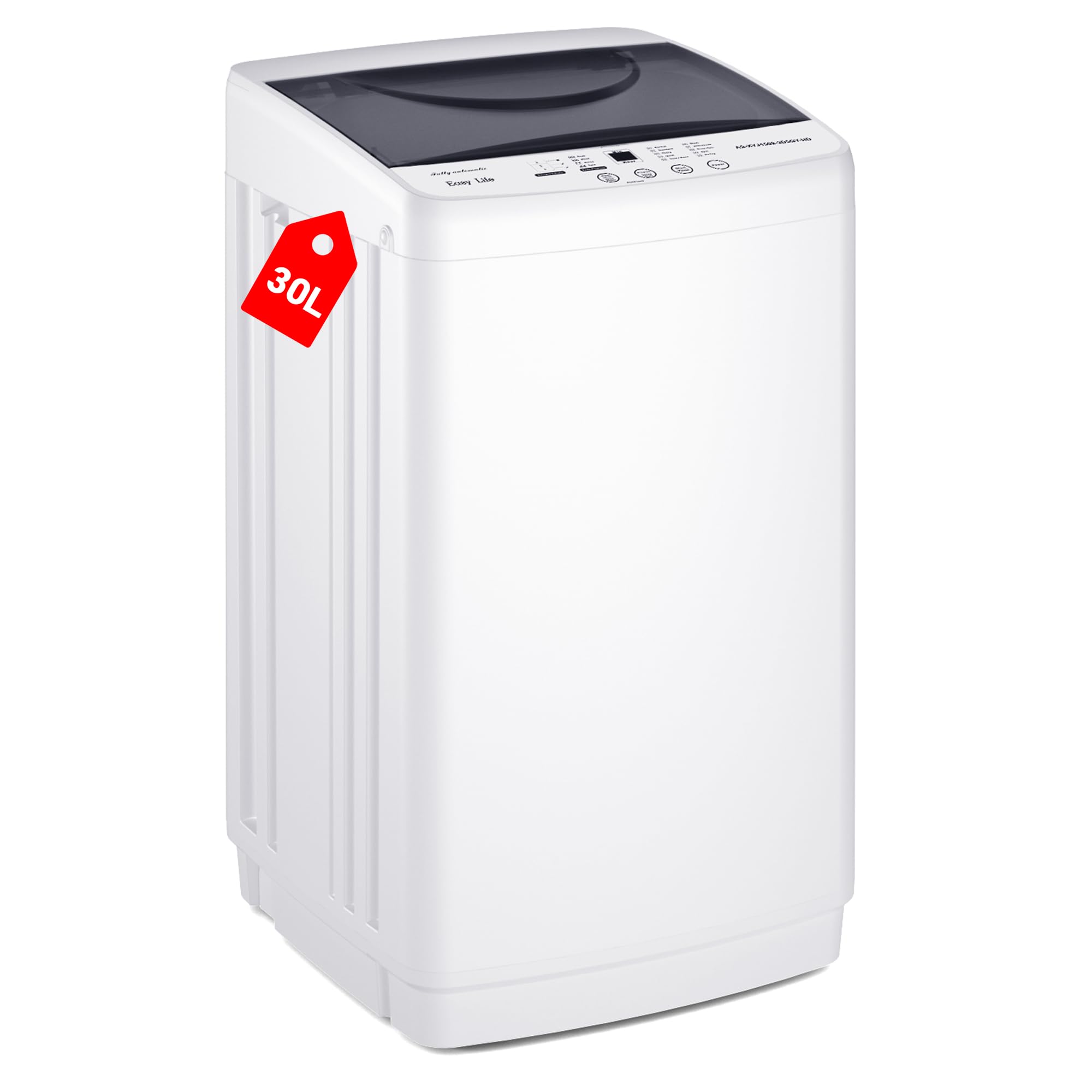
Olixis AS-XYJ1508-3D5 portable washing machine
Portable · 1.06 cu ft · 7.7 lb
$145.50 as of 11/20

Auertech
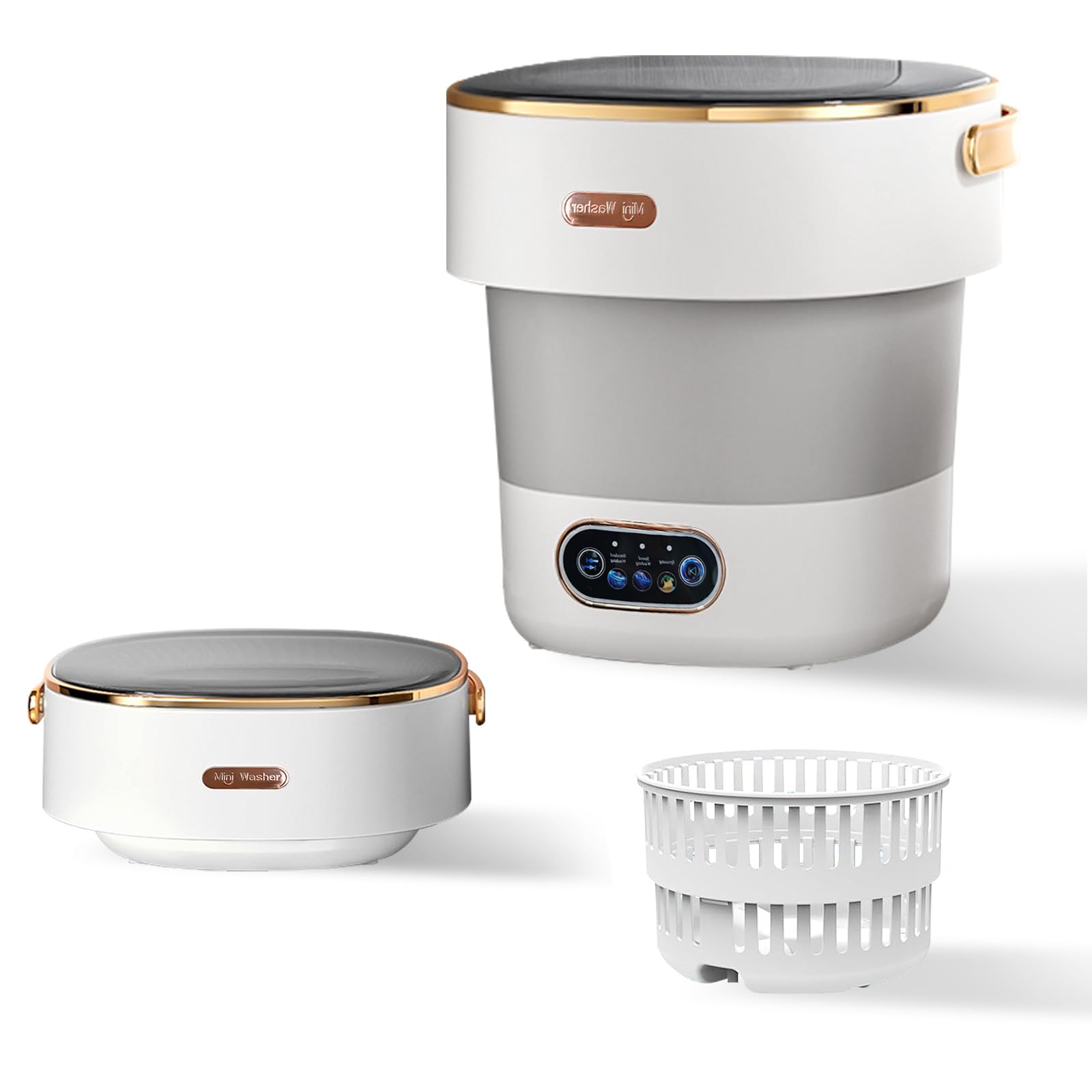
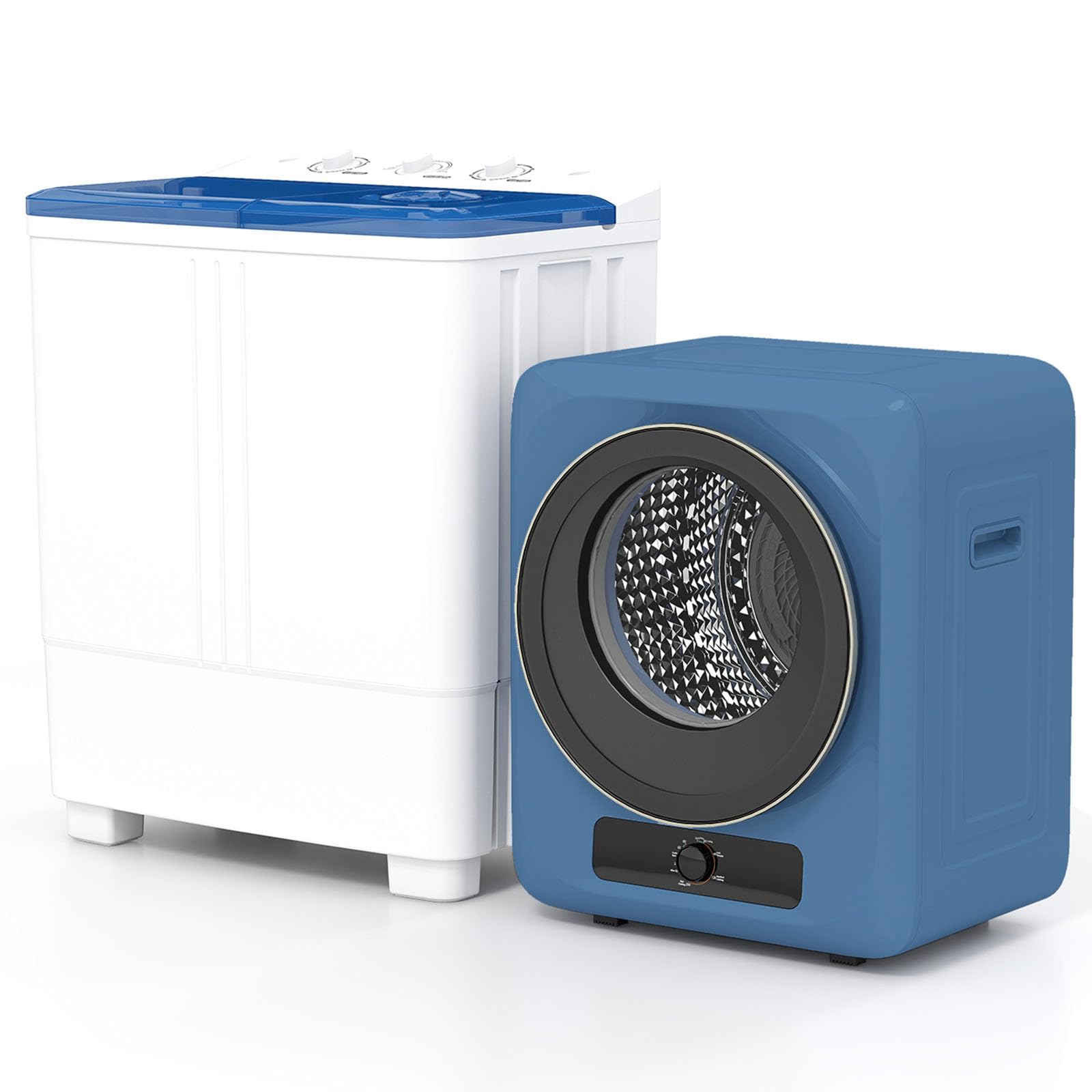
Auertech AU8595+AU205T washer and dryer combo
Washer and dryer set · 1.5 cu ft · 20 lb
$369.99 as of 11/20

Tneglonx
Tneglonx WLXYJ-GR portable washing machine
Portable · 2 in · RVs and camping
$17.98 as of 11/20
VCJ
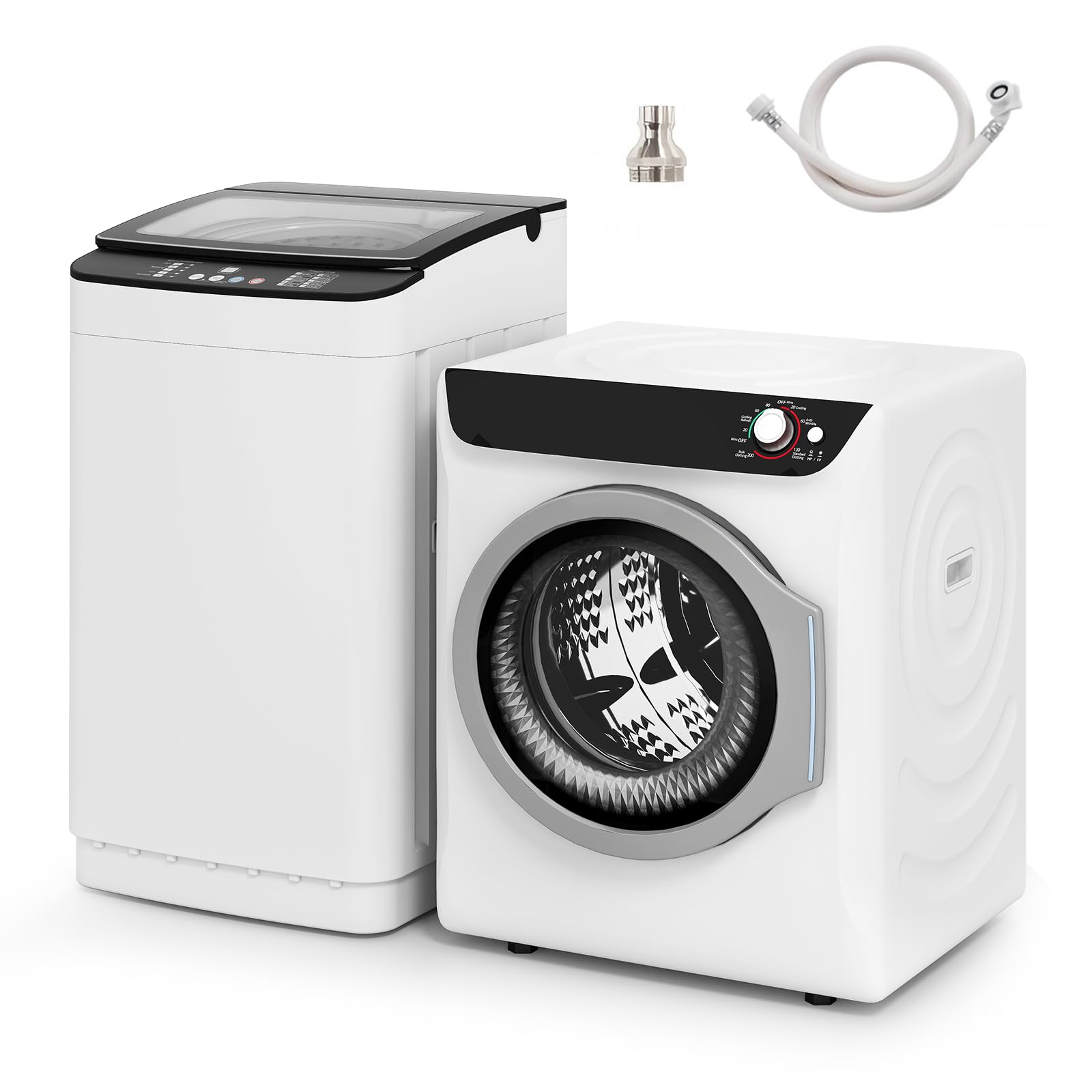
VCJ VCJ-80+VCJ-90TWY washer and dryer combo
Washer and dryer set · 2.6 cu ft · 28 lb
$529.99 as of 11/20

Koolmore
KoolMore FLW-5CWH front load washer
Front load · 4.5 cu ft · 1200 rpm
$1,487.27 as of 11/20

Koolmore
KoolMore FLW-3CWH front load washer
Front load · 2.7 cu ft · 1200 rpm
$1,101.40 as of 11/20
Bodacious
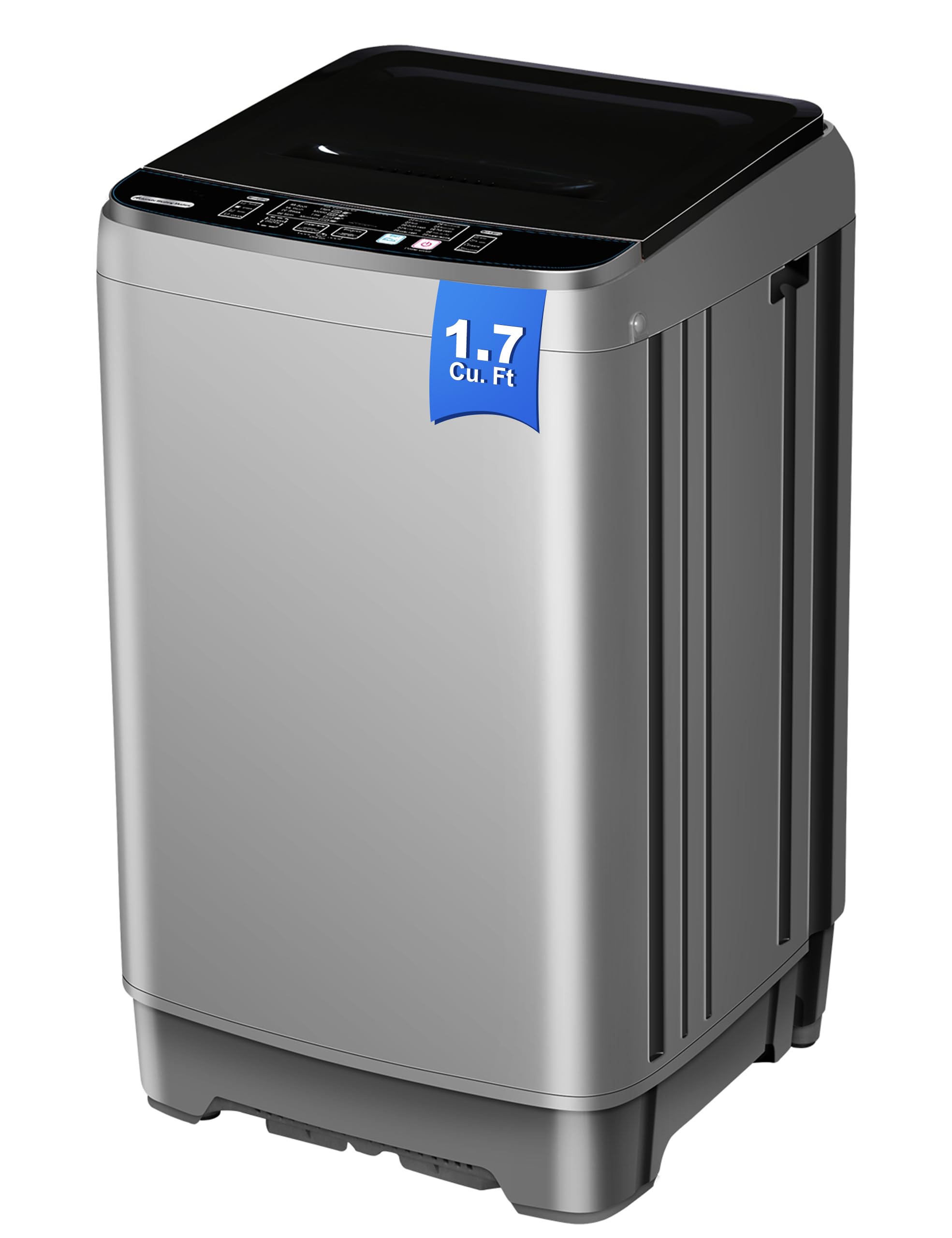
Bodacious XQB201A-GREY6-D portable washing machine
Portable · 1.7 cu ft · 1500 rpm
$169.99 as of 11/20
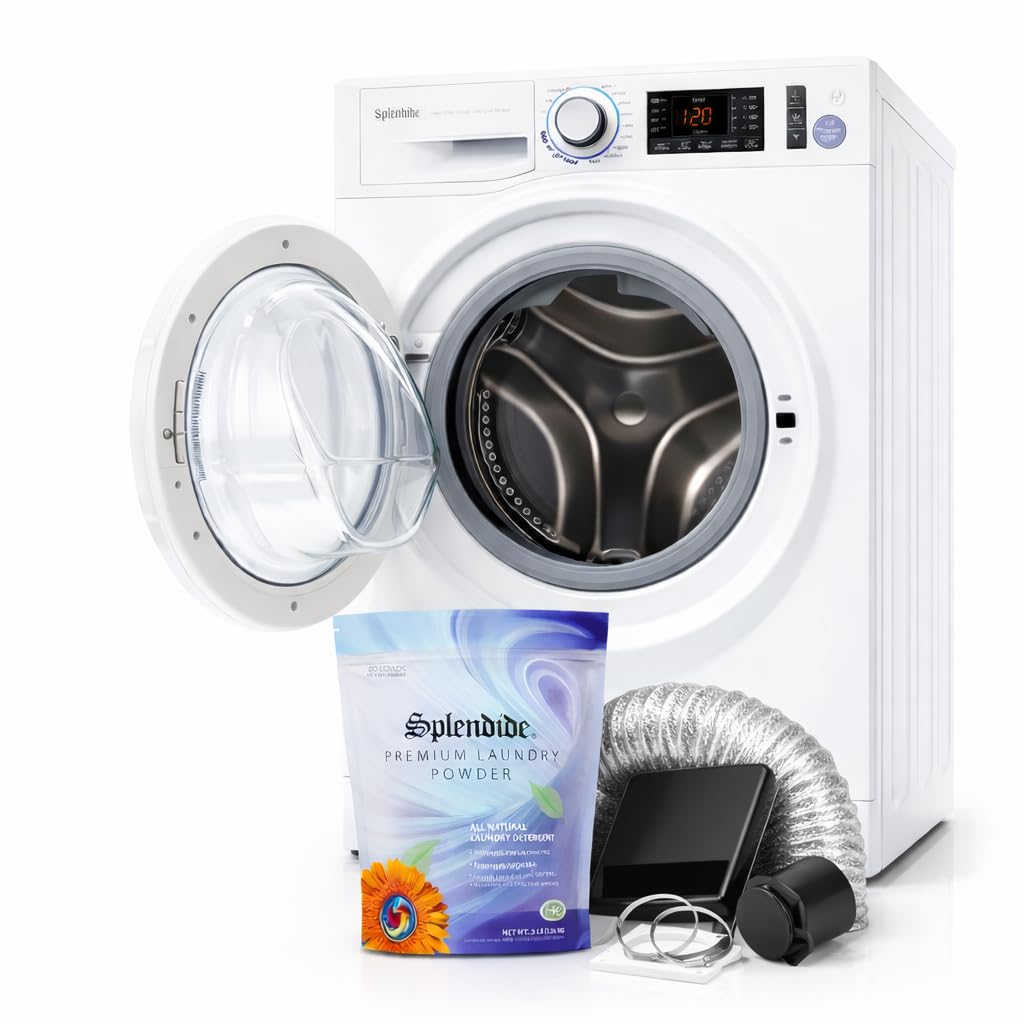
Splendide WDV2200XCD washer dryer combo
Washer dryer combo · 15 lb · 110-120 V
$1,649.00 as of 11/20
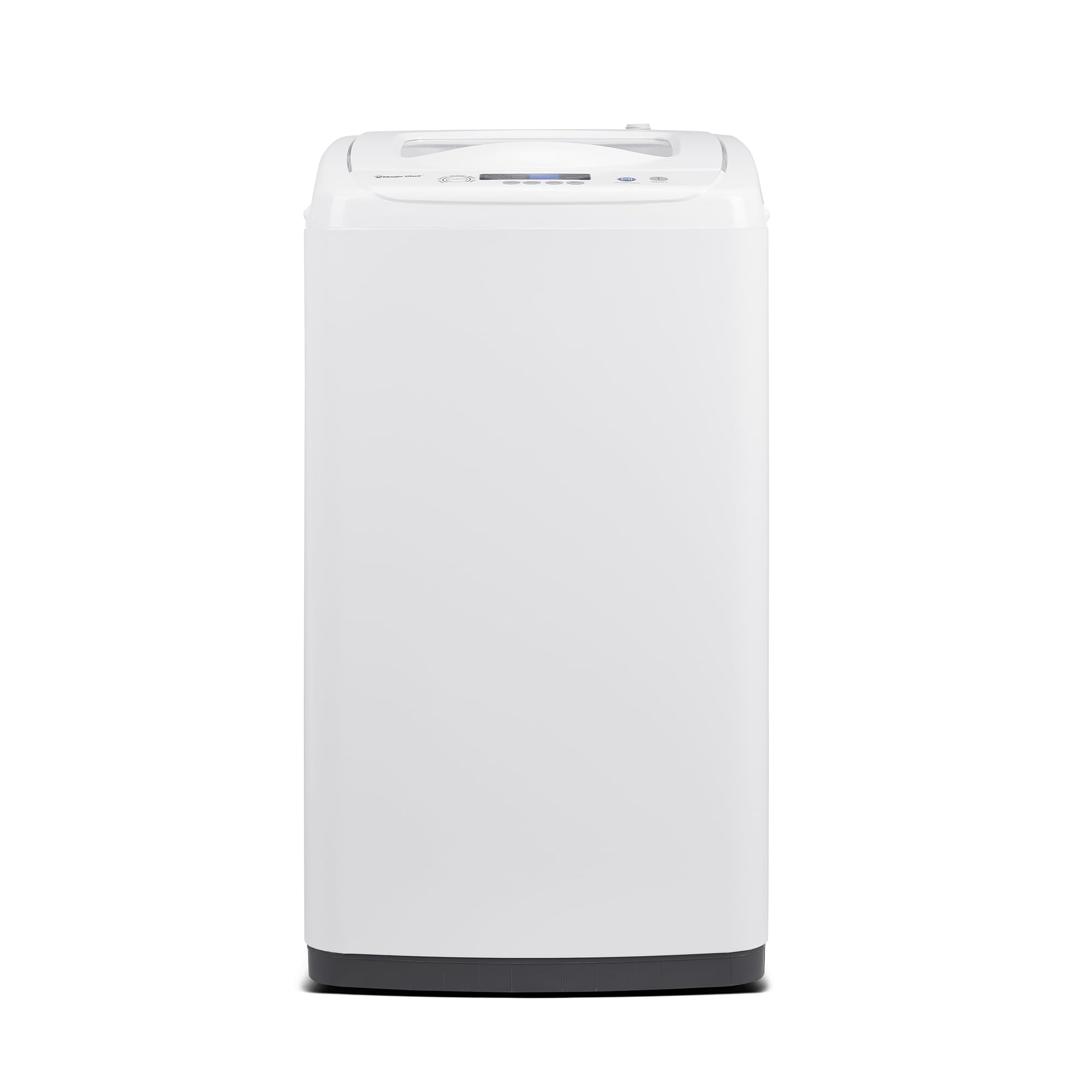
Magic Chef
Magic Chef MCSTCW09W2 top load washer
Portable · 0.9 cu ft · 1200 rpm
$263.00 as of 11/20
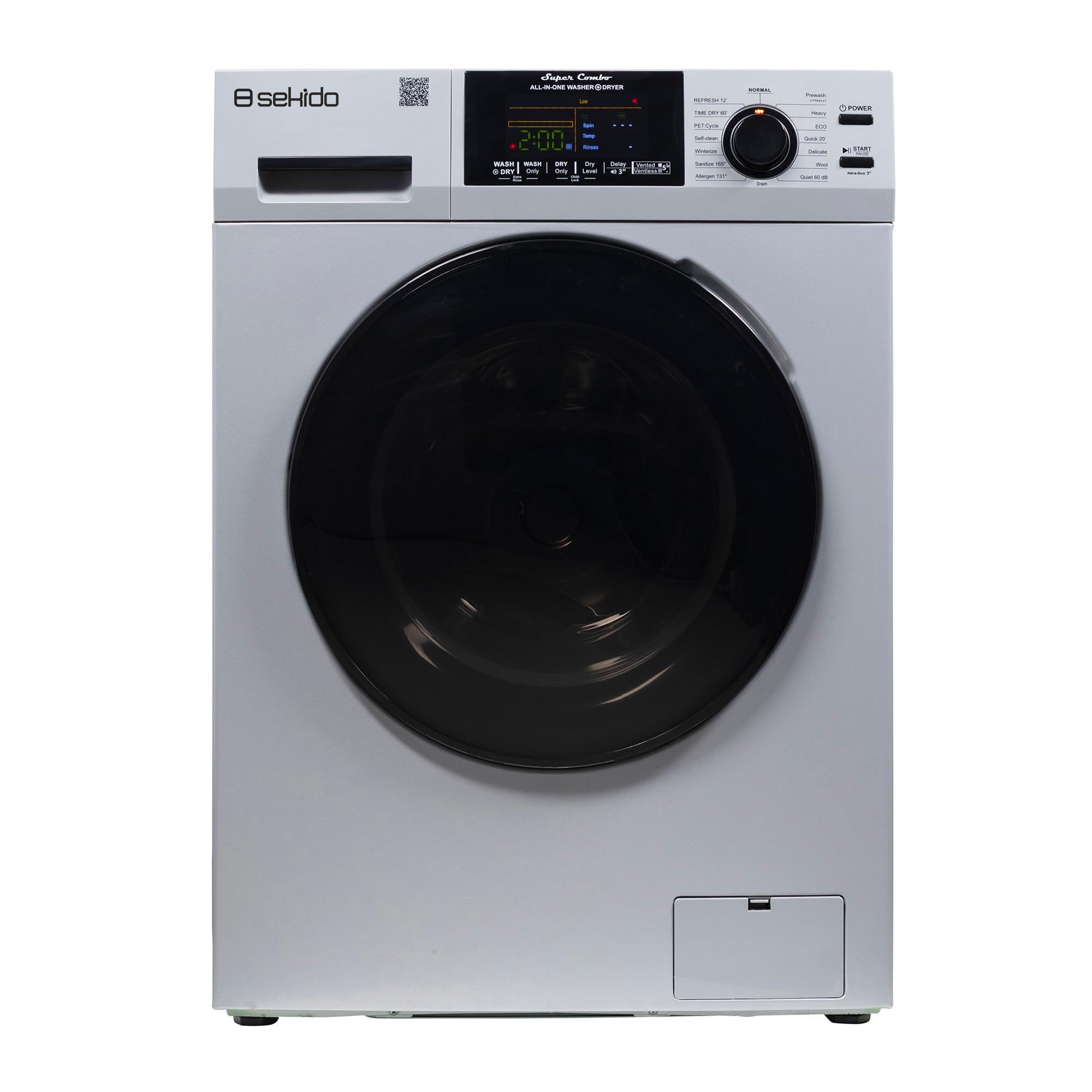
Sekido
Sekido SK 4600 washer dryer combo
Washer dryer combo · 1.62 cu ft · 15 lb
$1,259.00 as of 11/20

Contoure
Contoure RV-WD900S washer dryer combo
Washer dryer combo · 2.7 cu ft · 110-120 V
$1,349.99 as of 11/20
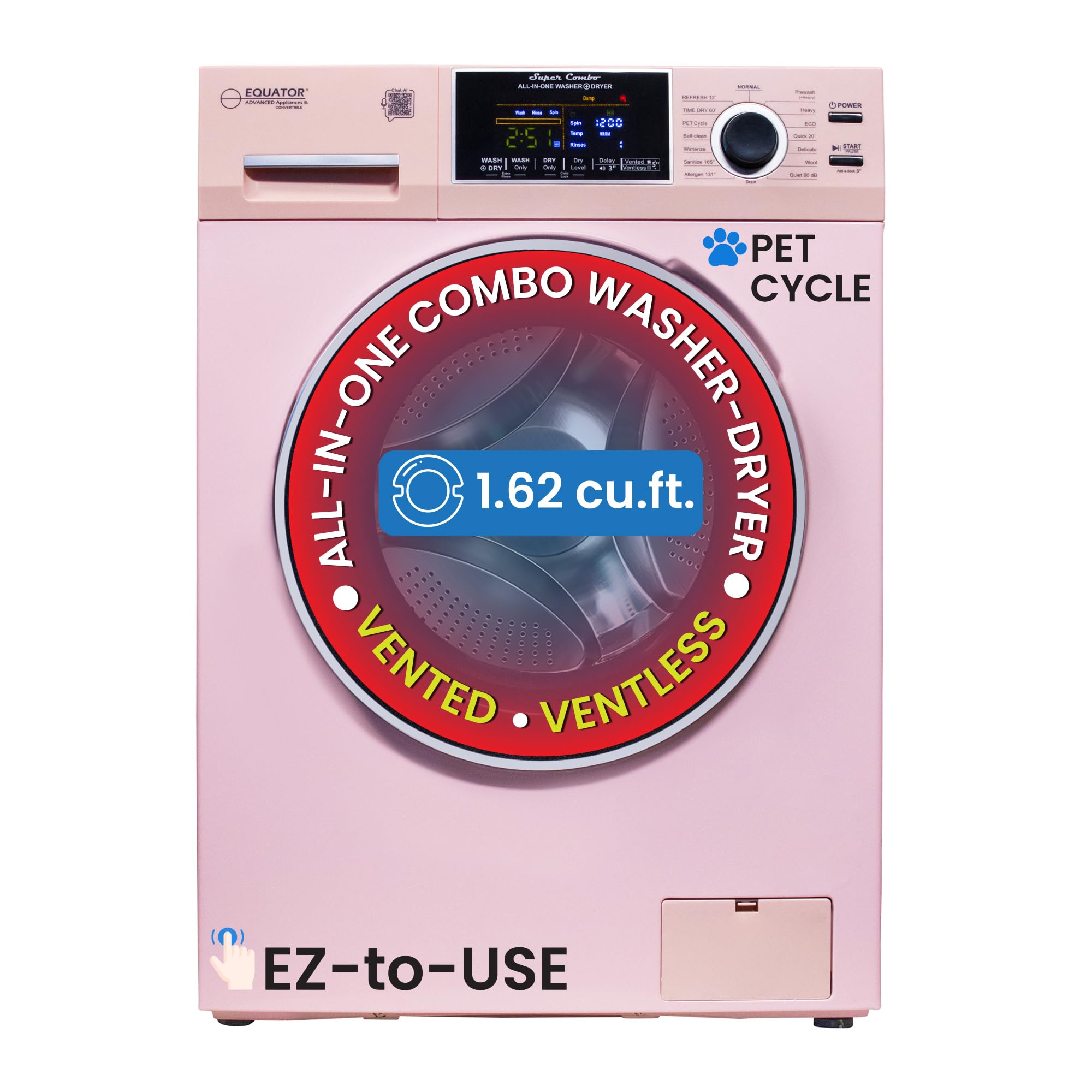
Equator Advanced Appliances
Equator EZ 4600 combo washer dryer Pink
Washer dryer combo · 1.62 cu ft · 15 lb
$1,299.00 as of 11/20
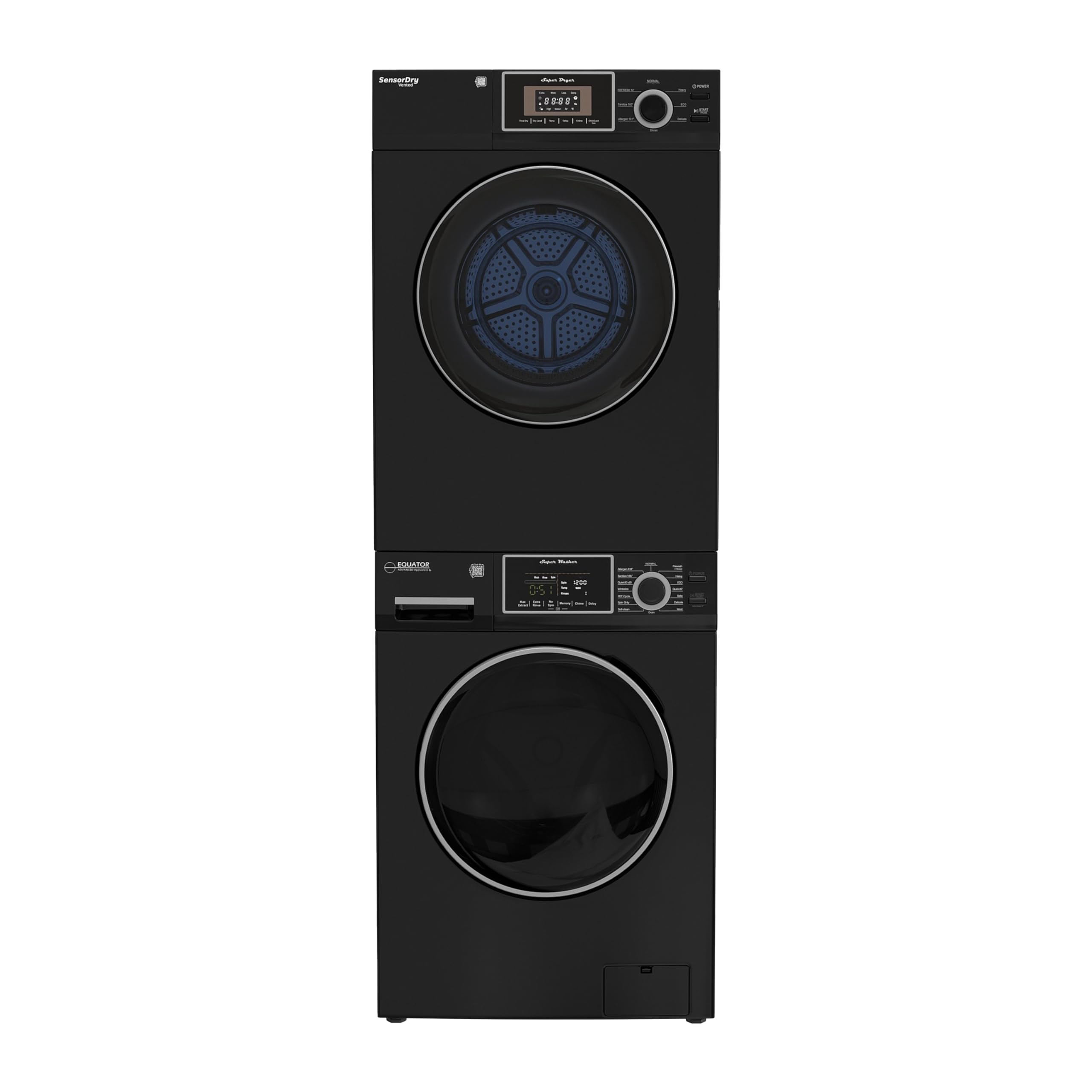
Equator
Equator EW 826 + ED 866 laundry set
Washer and dryer set · 1.62 cu ft · 110-120 V
$1,759.00 as of 11/20
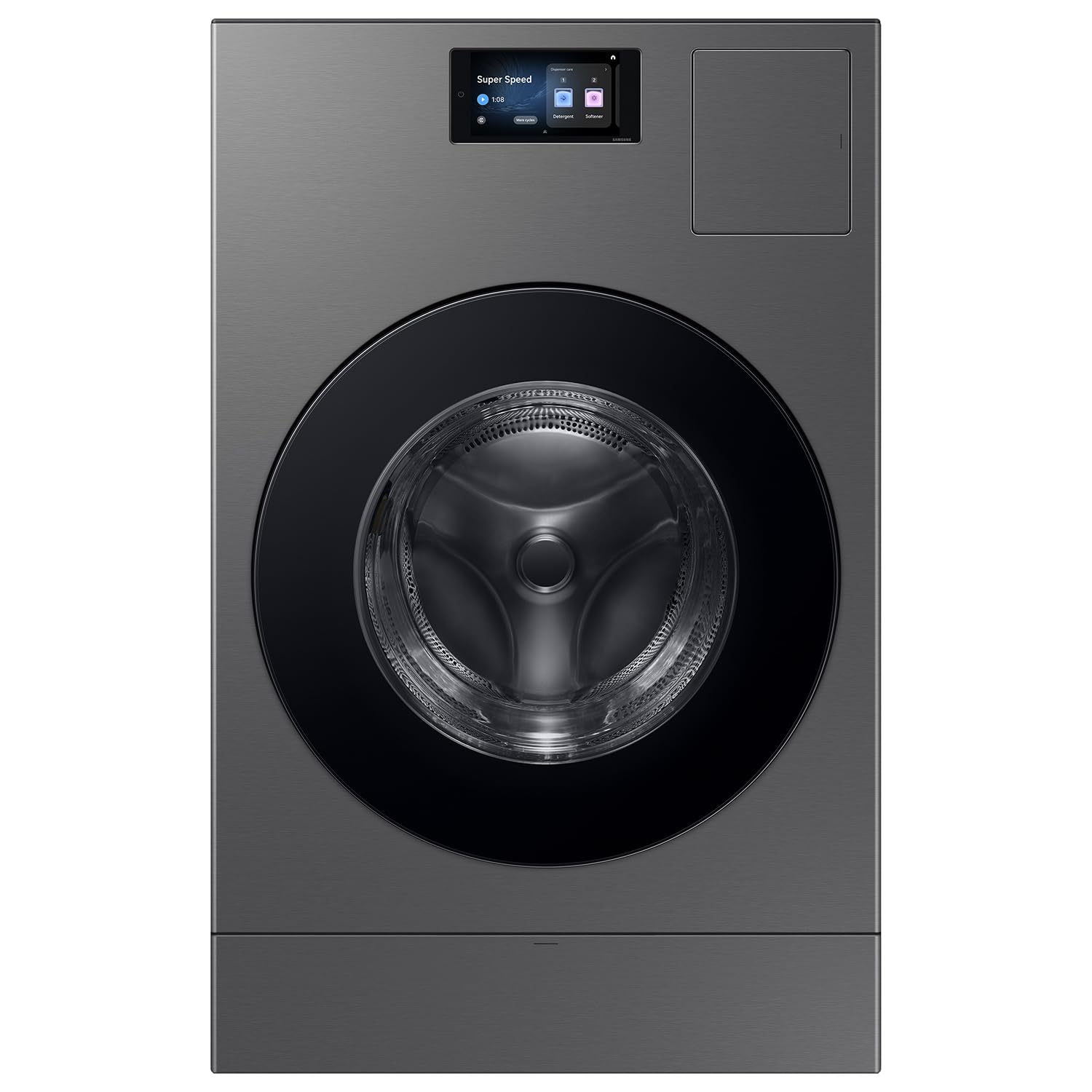
Samsung
Samsung WD90F53AVSUS Bespoke AI laundry combo
Washer dryer combo · 5.3 cu ft · 240 V
$1,775.76 as of 11/20

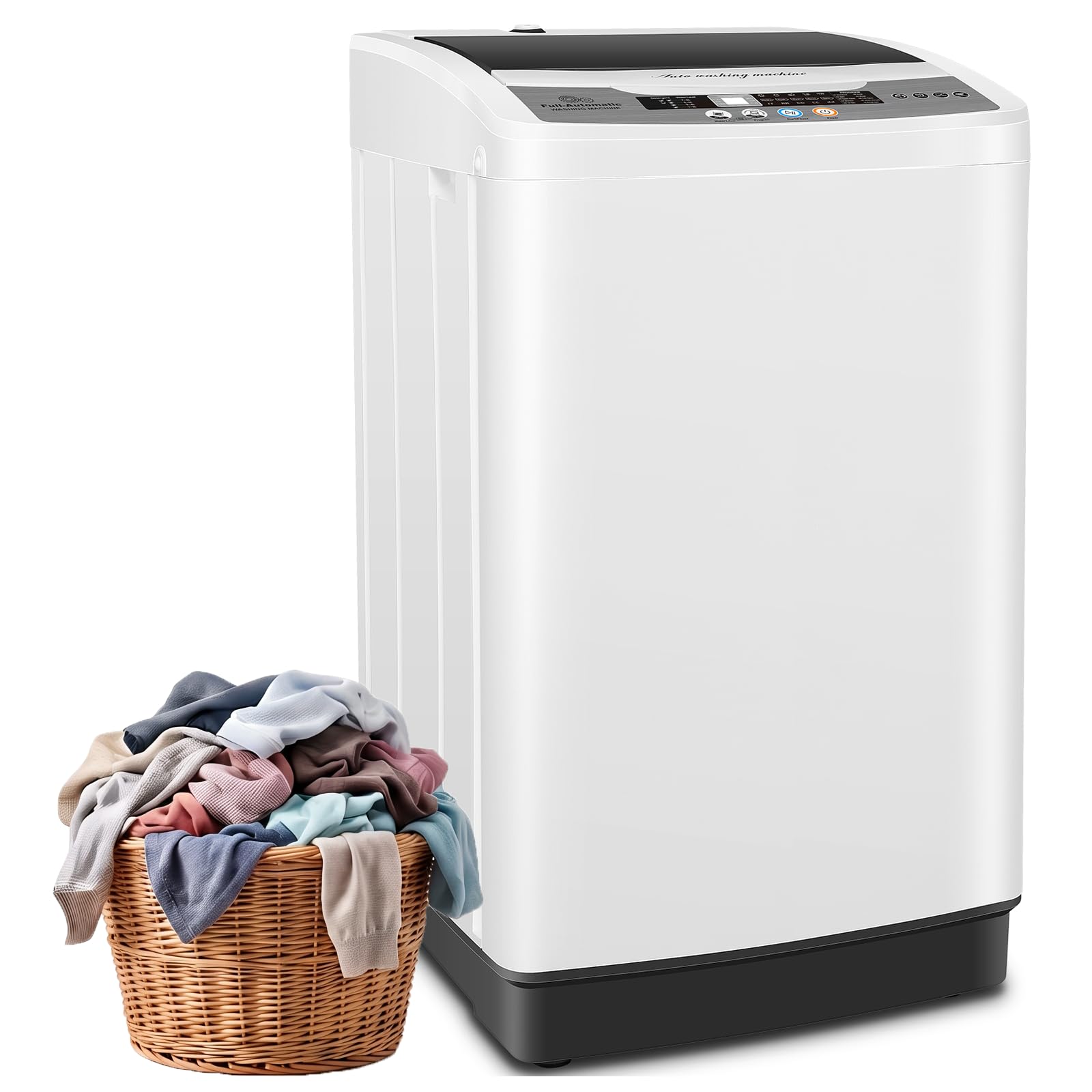
Nictemaw
Nictemaw US01+QFMB005584_3_W portable washing machine
Portable · 2.8 cu ft · 20 lb
Out of stock

Nictemaw
Nictemaw 5573_8_GR portable washing machine
Portable · 25 lb · 1600 rpm
$279.99 as of 11/20
No model matches these filters. Remove one to widen the search.