
Washing Machine Articles: Guides to Choosing, Sizing and Using Your Washer
Find the practical answer to your washing machine question, from sizing and power needs to cycles, parts and load types.
This index gathers our practical articles about washing machines. They are not rankings. They explain the terms, numbers and choices that come up before and after you buy: how top load and front load designs differ, what a drum or an agitator does, and what cycles like perm press and delicate are meant for.
Scan the card titles below and pick the one that matches your question. Titles that start with "What Is" define a part or a setting, "How Much" and "How Many" titles give figures such as weight, water and amps, and the dimensions pages help you check whether a machine fits your space.
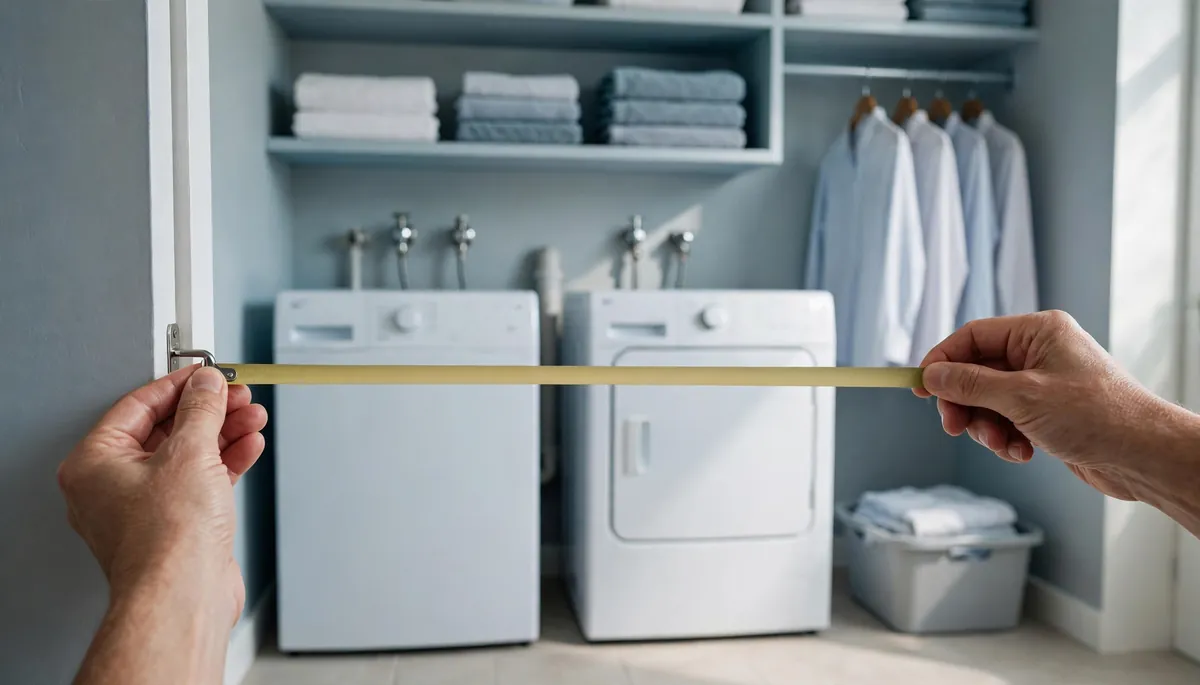
Washer and Dryer Dimensions: How Much Space Do You Need?
Typical washer and dryer dimensions by type, the clearances and door swing to add, and how to measure a closet, alcove or delivery path before you buy.
Read more →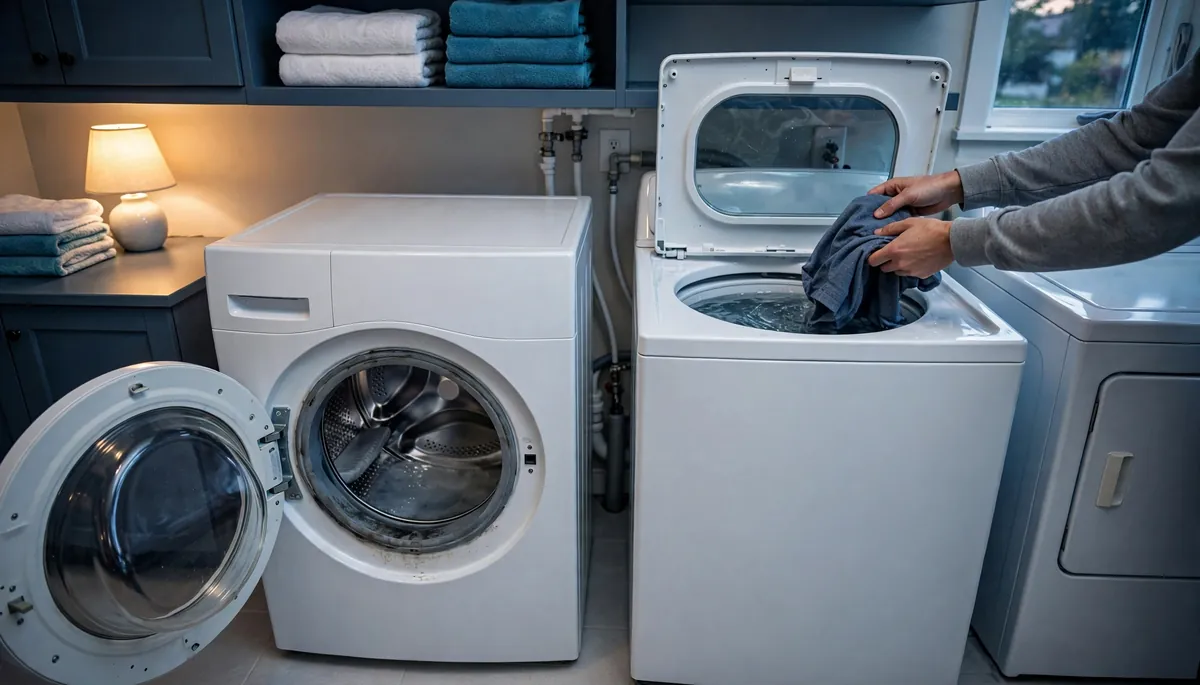
Top Load vs Front Load Washer: Which Is Right for You?
Top load vs front load washer: front-loaders clean better and use less water, top-loaders cost less and finish faster. Compare water, energy, mold and fit.
Read more →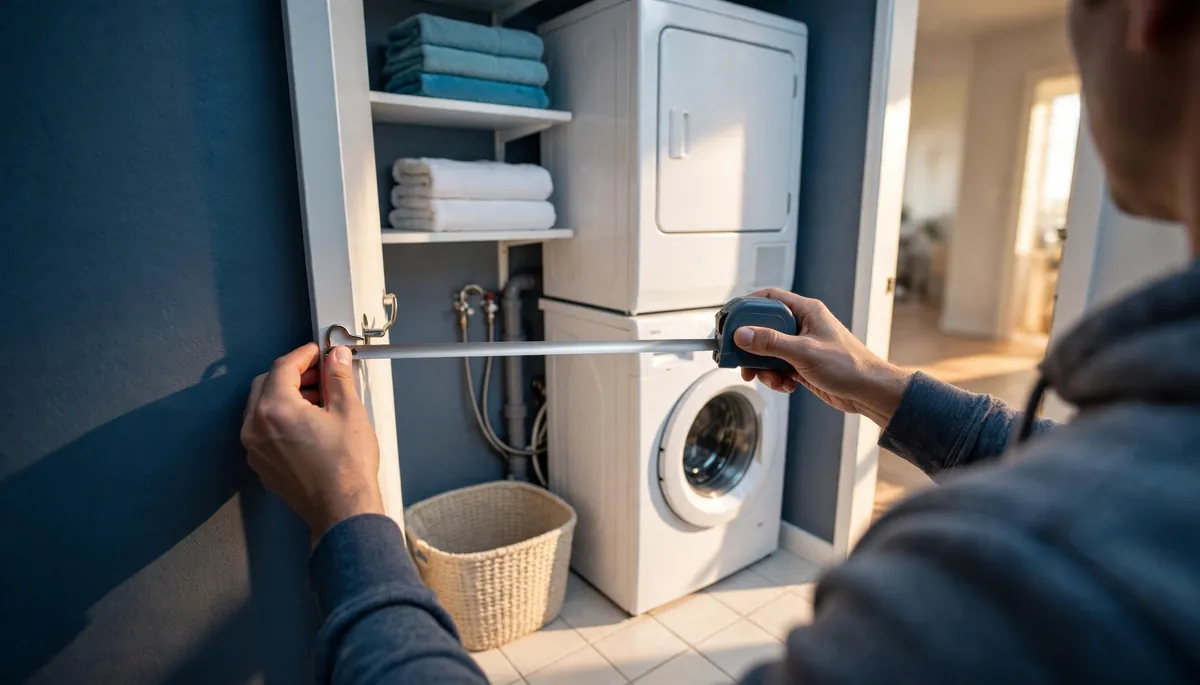
Stackable Washer and Dryer Dimensions: Will a Stack Fit Your Space?
Stackable washer and dryer dimensions: full-size stacks run 27 in wide, 74-80 in tall, 30-34 in deep. See the real installed space and the closet check.
Read more →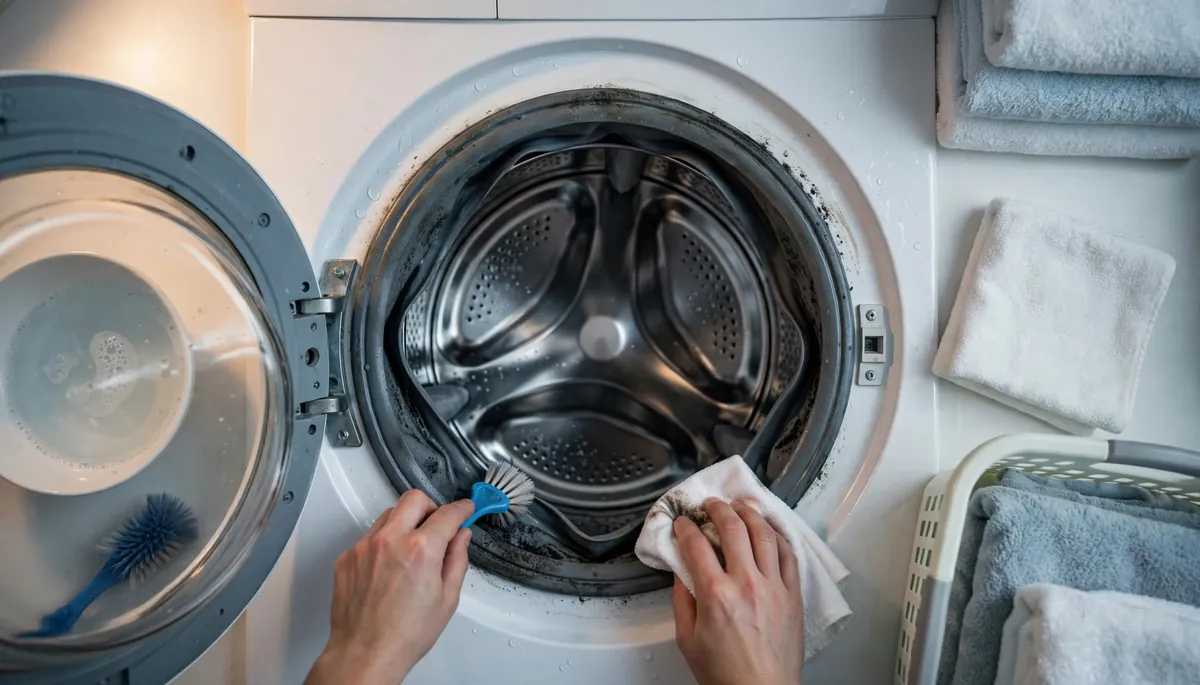
Why Your Washer Smells and How to Fix It
A washer smells because residue and moisture grow bacteria and mold inside a sealed drum. Find your smell, fix it in order, and keep it from coming back.
Read more →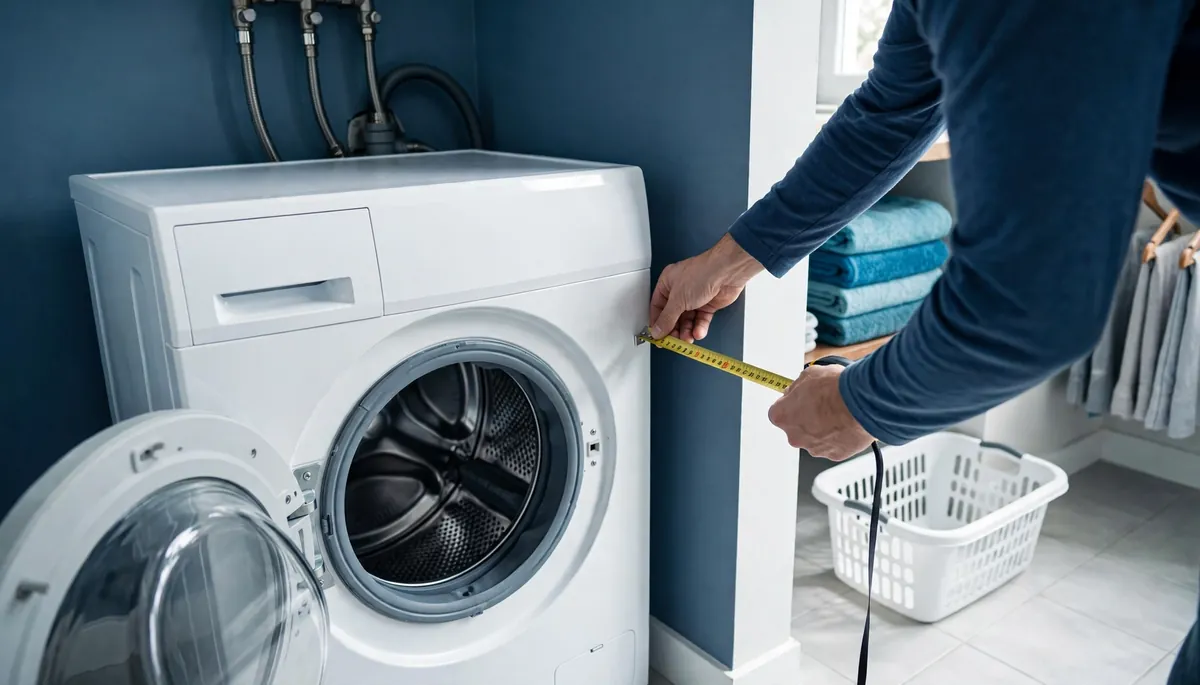
Washing Machine Dimensions: Standard Sizes by Type
Most US washing machines are 27 inches wide. See standard dimensions by type, the clearance you need for hoses and doors, and how to measure your space.
Read more →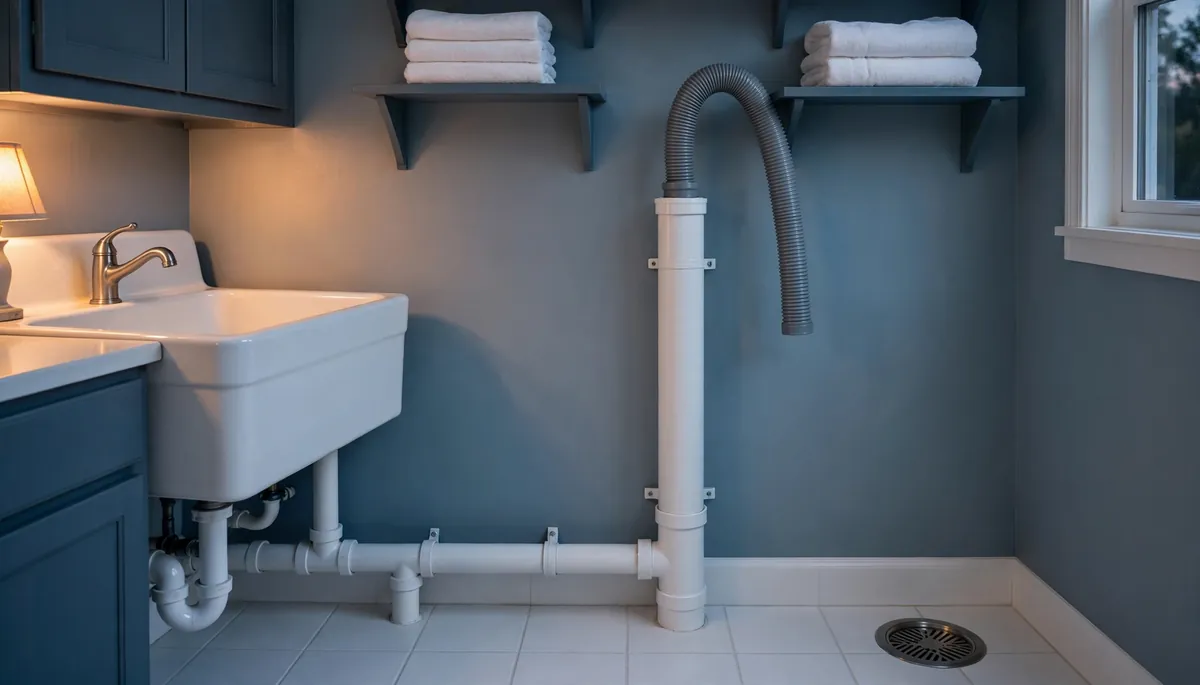
Washer Drain: Standpipe, Laundry Sink or Floor Drain?
A standpipe is the standard washer drain. Learn when a laundry sink or floor drain works, the height and depth numbers, and how to find what is blocking the drain.
Read more →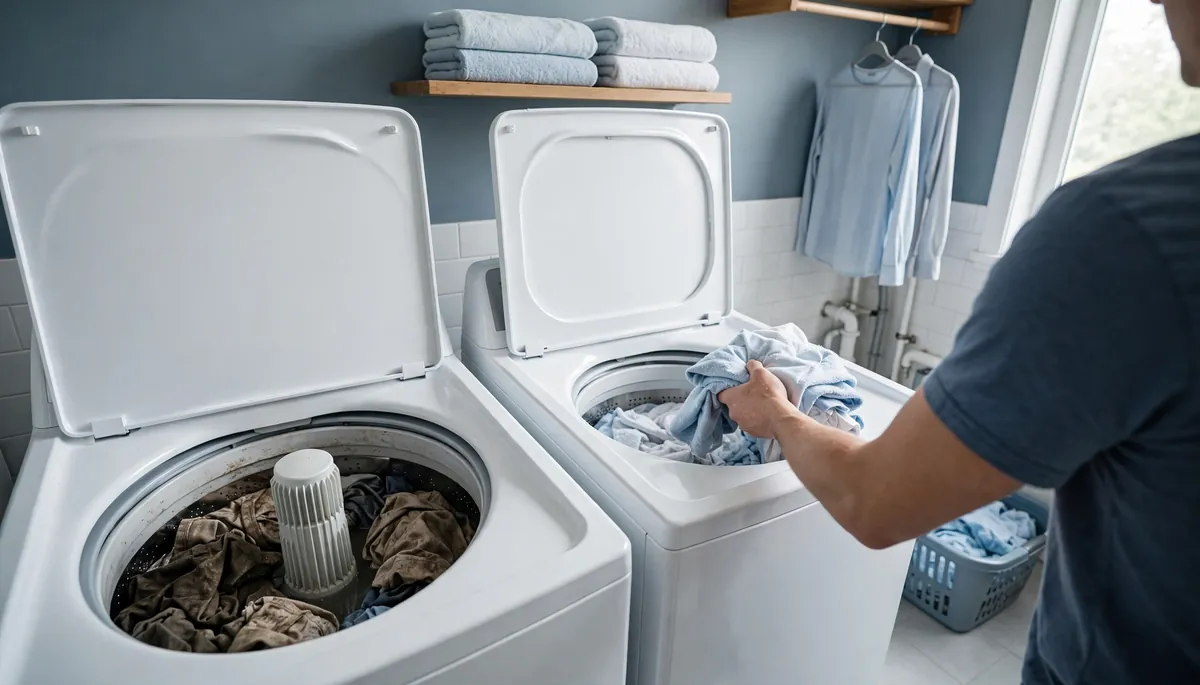
Impeller vs Agitator Washer: Which Cleans Better?
An agitator cleans heavy, ground-in soil better on a standard cycle. An impeller is gentler on fabric and uses less water. The model matters more than the type.
Read more →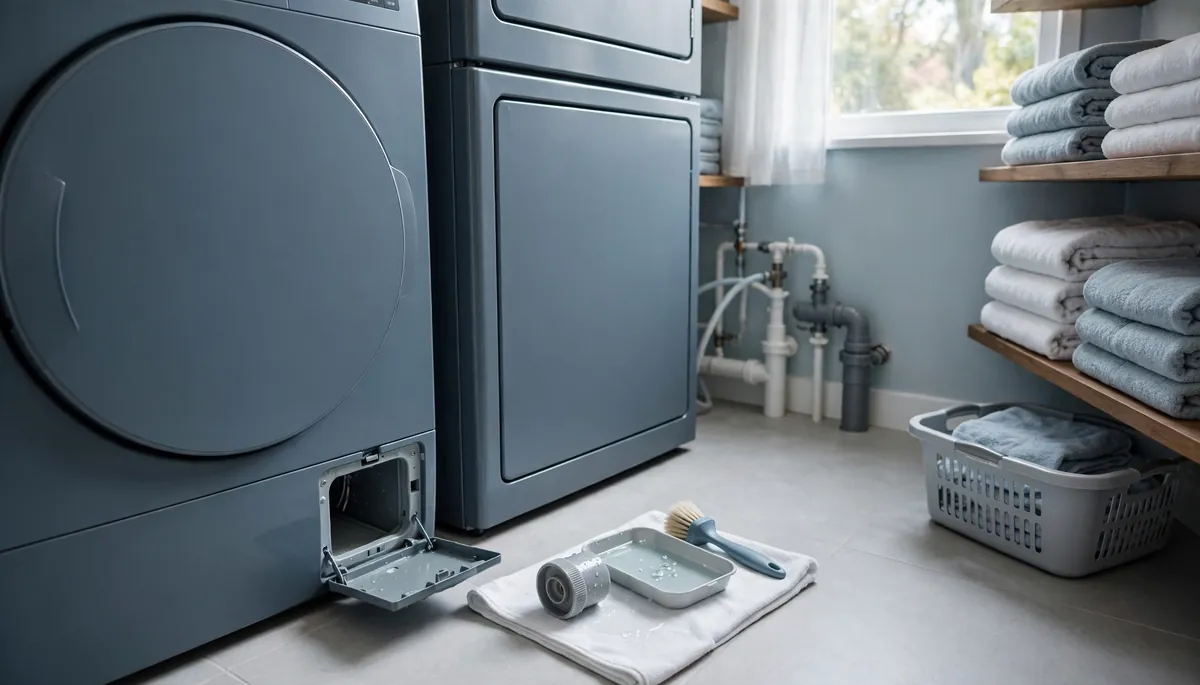
Washer Drain Filter: Where It Is and How to Clean It
Find your washer drain filter, drain the trapped water first, and clean it in 10 to 15 minutes. Where it sits on front-loads, combos, top-loads and portables.
Read more →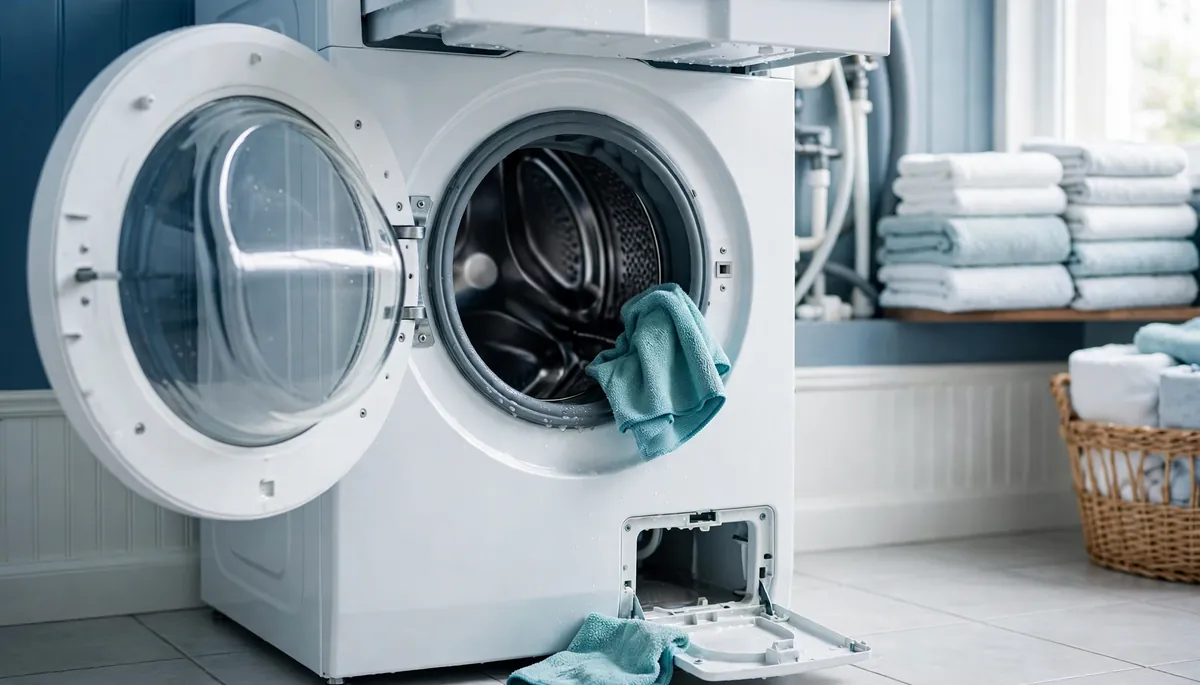
How to Clean a Washer
Clean a washer once a month or every 30 cycles: run the clean cycle with bleach or a washer cleaner, then wipe the gasket, drawer and pump filter.
Read more →
What Is a Drum on a Washer?
The drum on a washer is the perforated cylinder that holds your clothes. Learn how it washes and spins, what it is made of, and what drum noises mean.
Read more →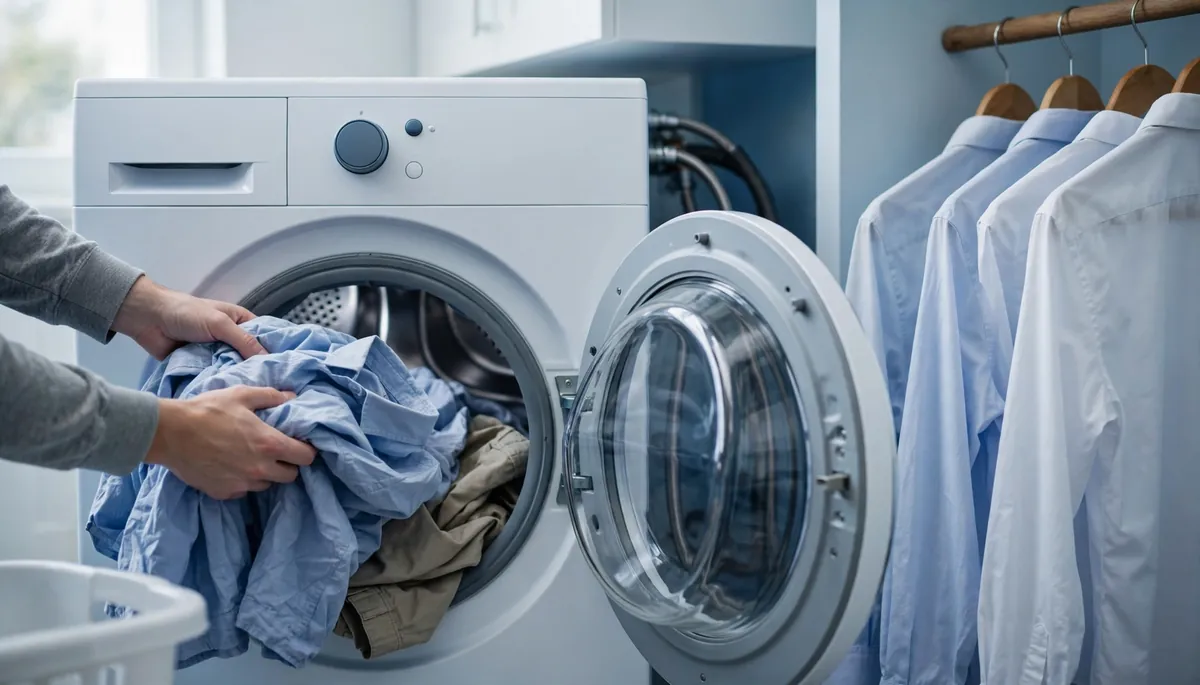
What Is Perm Press on a Washer?
Perm press is the permanent press cycle: a warm wash, cool rinse, gentle agitation and a low final spin that keep wrinkle-prone clothes smooth. Here's how to use it.
Read more →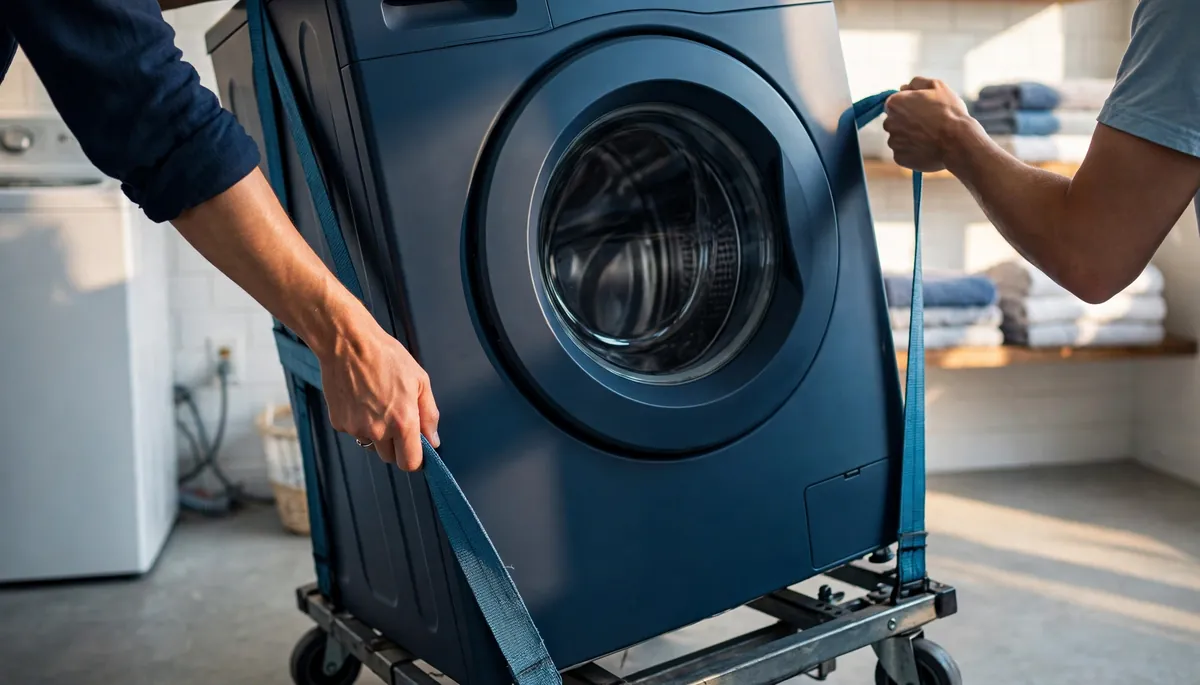
How Much Does a Washing Machine Weigh?
Most full-size washers weigh 130 to 250 lb empty: top-loaders around 125 to 165 lb, front-loaders 190 to 250 lb. See every type, with water and in kg.
Read more →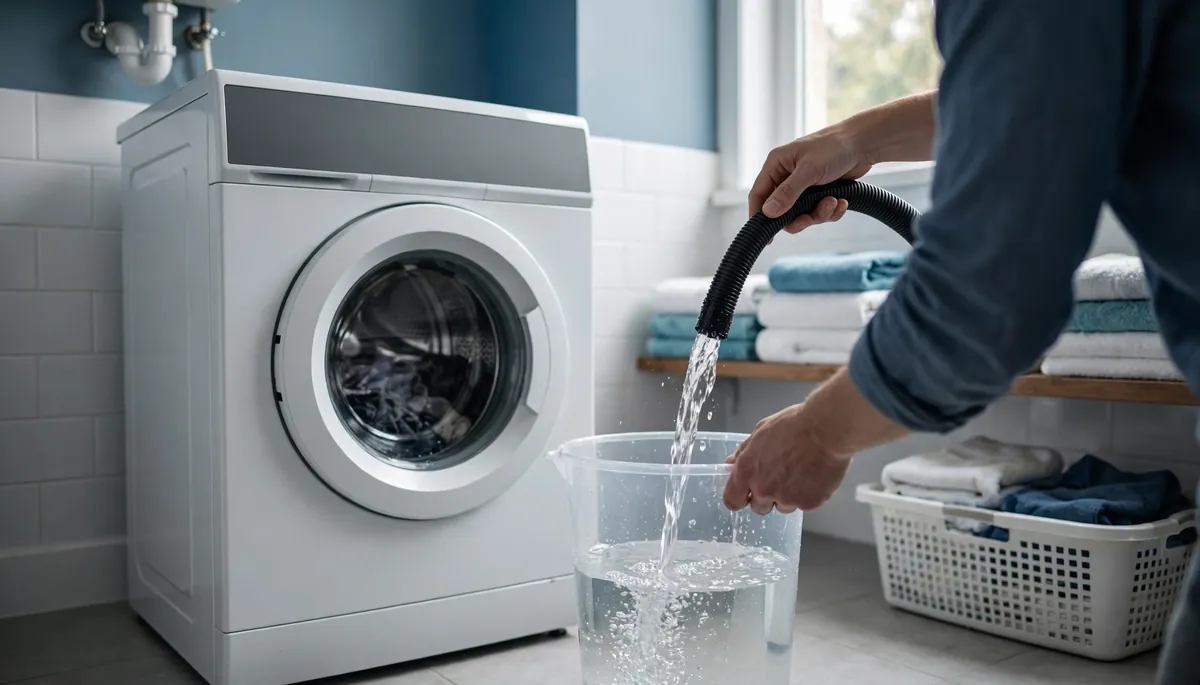
How Many Gallons of Water Does a Washing Machine Use?
A full-size washer uses about 14 gallons per load if ENERGY STAR certified and about 20 if standard. See gallons by washer type, per year, and per load.
Read more →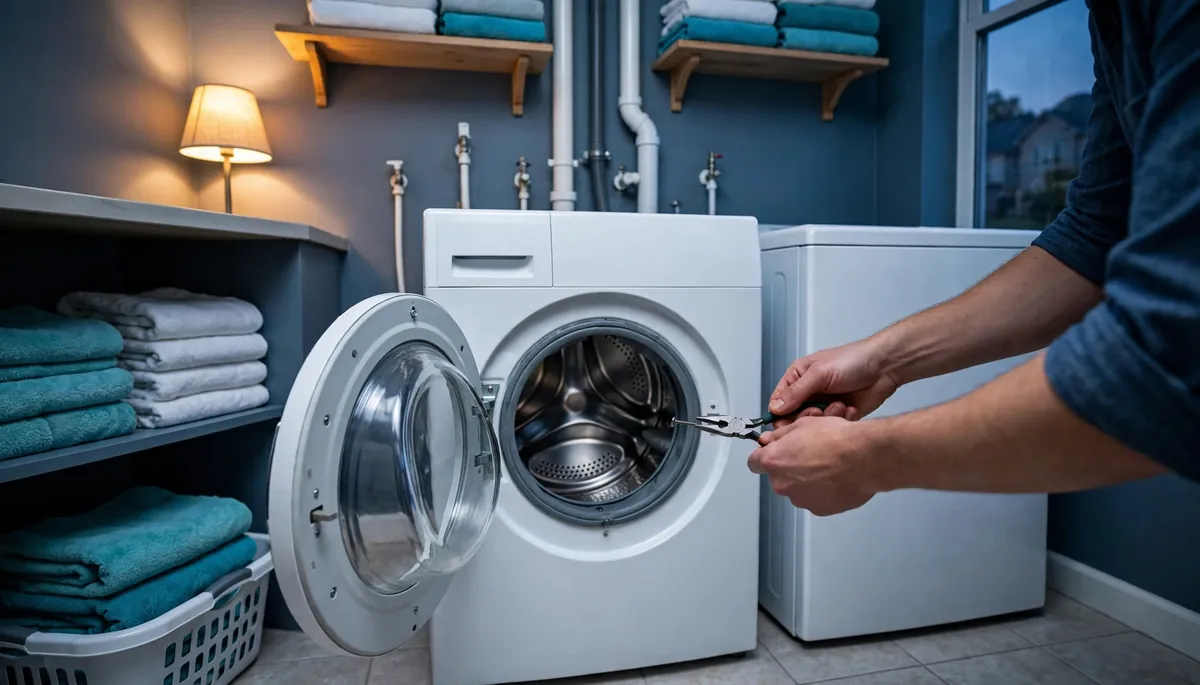
Why Is My Washer Making a Grinding Noise?
A washer making grinding noise usually means metal or hard plastic rubbing where it shouldn't. Find the cause by when it grinds, and whether to fix or replace.
Read more →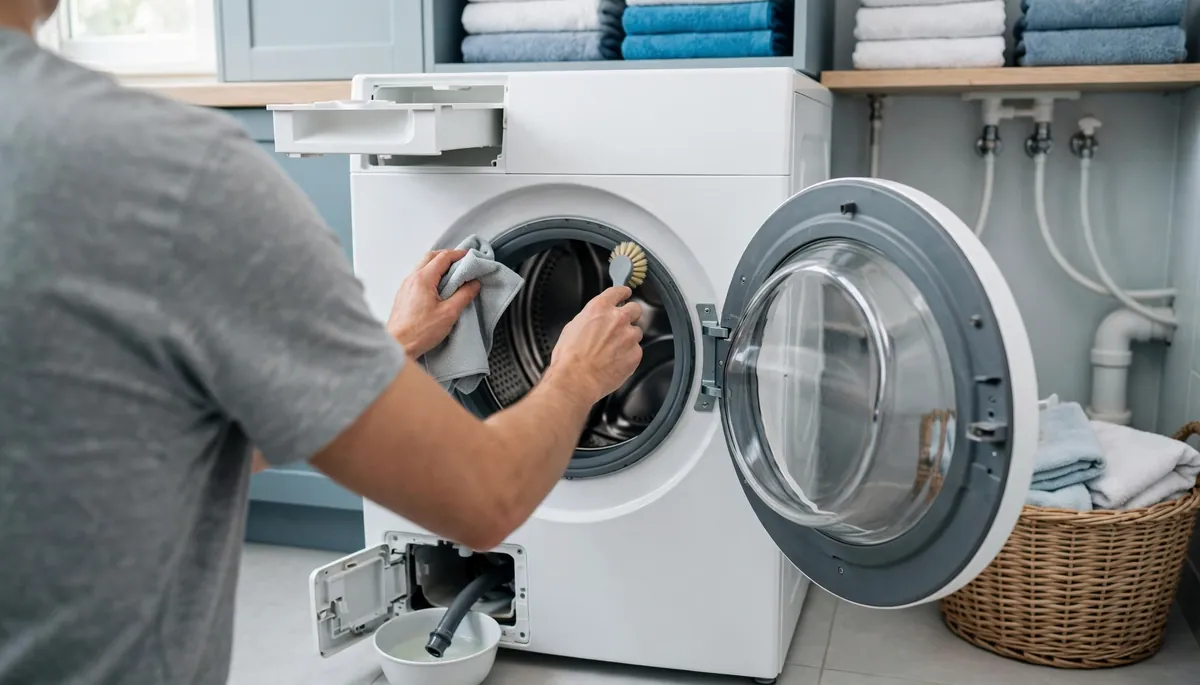
How to Clean a Front-Loader Washing Machine
Clean a front-load washer once a month or every 30 cycles: the door gasket, the detergent drawer, the pump filter and the tub cycle, plus the drain hose check.
Read more →Start with the question you are trying to settle
Most readers arrive with one of three needs: choosing between designs, checking that a machine fits, or understanding something they already own. If you are still deciding, begin with the comparison pages on top load versus front load and impeller versus agitator, because that choice shapes everything else, from how gentle the wash is to how much water a load uses.
If you already have a model in mind, move to the practical checks. A short read on a term or a setting can save you from buying a machine for a feature you will rarely use.
Check space, weight and utilities before you buy
A washer that does not fit or cannot be supported is the most avoidable mistake. Width, depth and height decide whether it slides into a closet or alcove, and the door swing or lid clearance matters just as much. Our dimensions pages cover standard sizes by type, side-by-side pairs and stacked units, so you can compare them with your measurements.
Weight, water use and electrical draw are the other practical limits. Weight affects floor strength and delivery, gallons per load affect your water use, and amps tell you whether your outlet and circuit can handle the machine. Each has its own page.
Know your cycles and parts to wash better
Cycle names are often unclear, and choosing the wrong one can wear out fabrics or leave loads less clean. Pages on perm press and delicate explain what each setting changes, typically water temperature, agitation and spin speed, so you can match it to the fabric.
Understanding the drum and the agitator also helps you read a spec sheet. Capacity, drum design and wash action explain why two machines of similar size can handle loads differently.